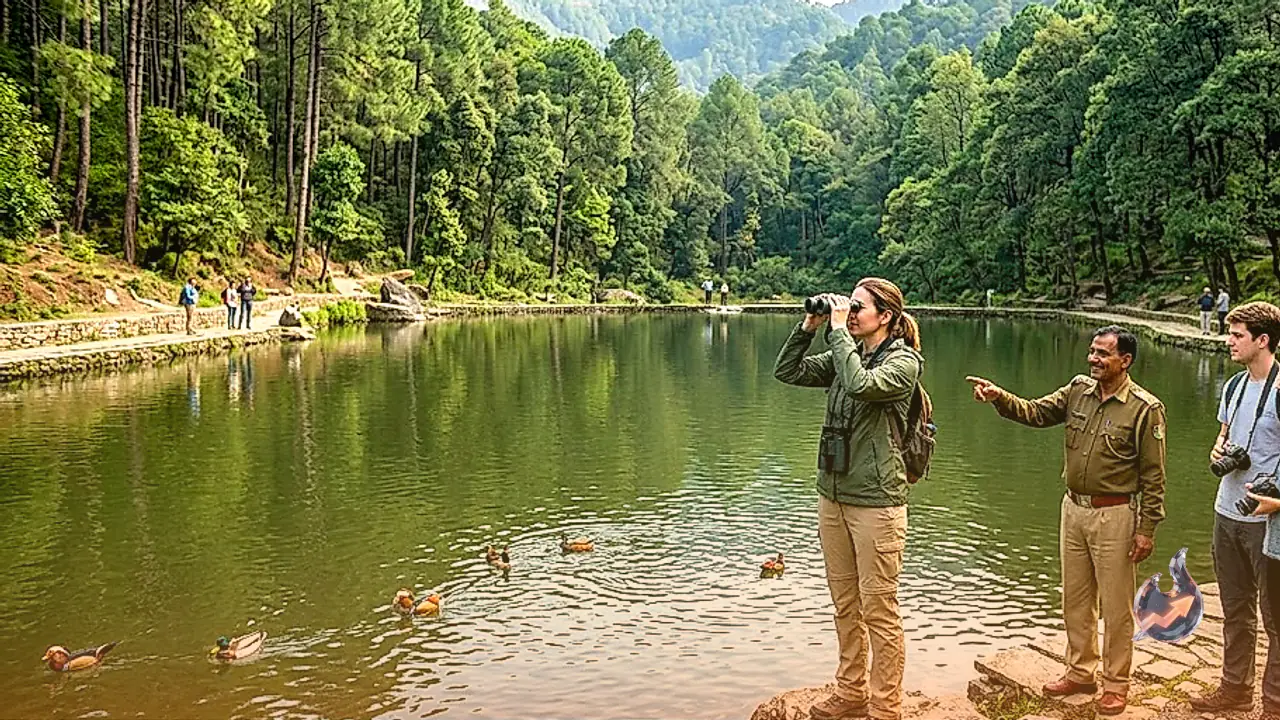























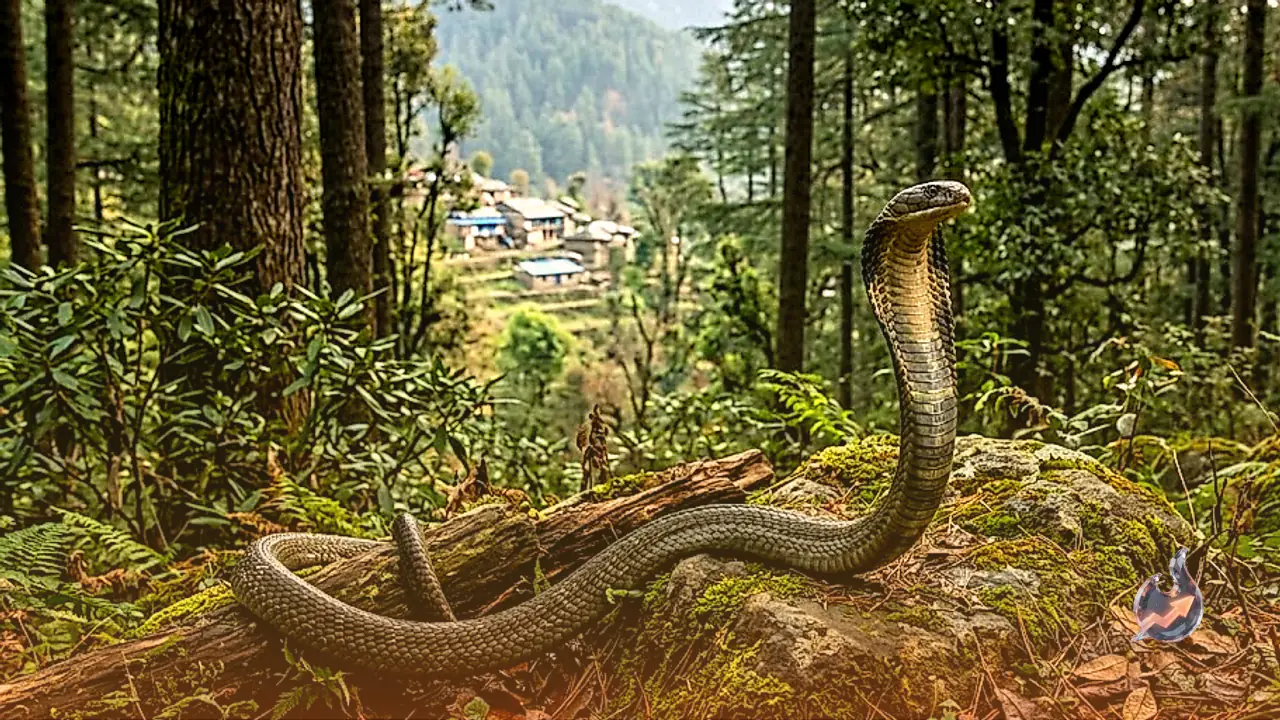

Nainital in Uttarakhand has long drawn tourists for its lush valleys, dense forests and pleasant weather, but the district's forests are now hosting another resident whose numbers are steadily climbing, the king cobra, one of the most venomous snakes in the world. Over the past few years, sightings of the king cobra have kept increasing across Nainital's forests and the settlements around them, and forest officials and wildlife experts alike are tracking the shift closely.
Why Nainital's Forests Are Turning Into a New Habitat
Forest department officials and wildlife experts say Nainital's terrain has become particularly suited to the king cobra. Dense oak and pine forests, adequate moisture, reliable water sources and abundant prey are cited as the key reasons the snake is being drawn to the area. A district once known chiefly for its tourist appeal is now emerging as a favourable habitat for this giant snake as well.
Sightings Two and a Half Times Higher Than Dehradun and Haridwar
A report by the research wing of the Uttarakhand Forest Department found that, outside the traditional rain forest belts where king cobras are usually found, Nainital has emerged as the district with the highest recorded presence of the species. According to the report, king cobra sightings in Nainital have been recorded at nearly two and a half times the rate seen in districts such as Dehradun and Haridwar, a clear sign that the district's forests are becoming especially favourable for the snake.
From the First 2006 Sighting to a Record Nest in Mukteshwar
The first king cobra sighting in Uttarakhand was recorded in 2006, in the Bhowali forest range of Nainital district. Six years later, in 2012, a nest was found in Mukteshwar at an altitude of 2303 metres above sea level, itself a notable finding since a king cobra nest at such a high altitude is considered an important record globally. Wildlife researcher Jagjivan Singh Dhami says Uttarakhand is home mainly to two species, the spectacled cobra and the king cobra. The king cobra is now being seen in Nainital, Jyolikot, Ramgarh and the surrounding forests as well. It typically prefers a warm, humid environment, so its growing presence in the hills also points to shifting temperatures and climate change.
48 Nests Recorded in 15 Years
Anand Lal Arya, ranger at the Govind Ballabh Pant High Altitude Zoo in Nainital, says a king cobra nest was found in a populated area near Jyolikot back in 2011. Since then, nests have also been reported from Bhowali, Ramgarh and several other locations. He says roughly 48 king cobra nests have been recorded from 2011 to now. The snake builds its nest from oak leaves and pine needles, known locally as pirul, and lays around 16 to 18 eggs at a time.
An 18-Foot King Cobra and the Monsoon Effect
Nimish Danu, a snake rescue expert with the forest department, says Nainital's rising temperatures and forest conditions are proving favourable for the king cobra. The snake preys on other snakes, and its preferred food is available in plenty in Nainital's forests. During the monsoon, when humidity rises, it comes out of its burrows and sometimes ends up in populated areas. He says a king cobra measuring around 18 feet has already been safely rescued in Nainital.
A Protected Species That Guards Its Eggs for 80 to 100 Days
The king cobra is a protected species under India's wildlife protection law. Its most distinctive trait is that it is the only snake in the world whose female builds a nest before laying eggs and then guards those eggs for roughly 80 to 100 days. Experts say the female leaves the nest just before the eggs hatch.
Forest Department's Appeal
The forest department has appealed to people to keep their distance if they spot a king cobra anywhere, avoid trying to catch or harm it, and inform the forest department immediately.