


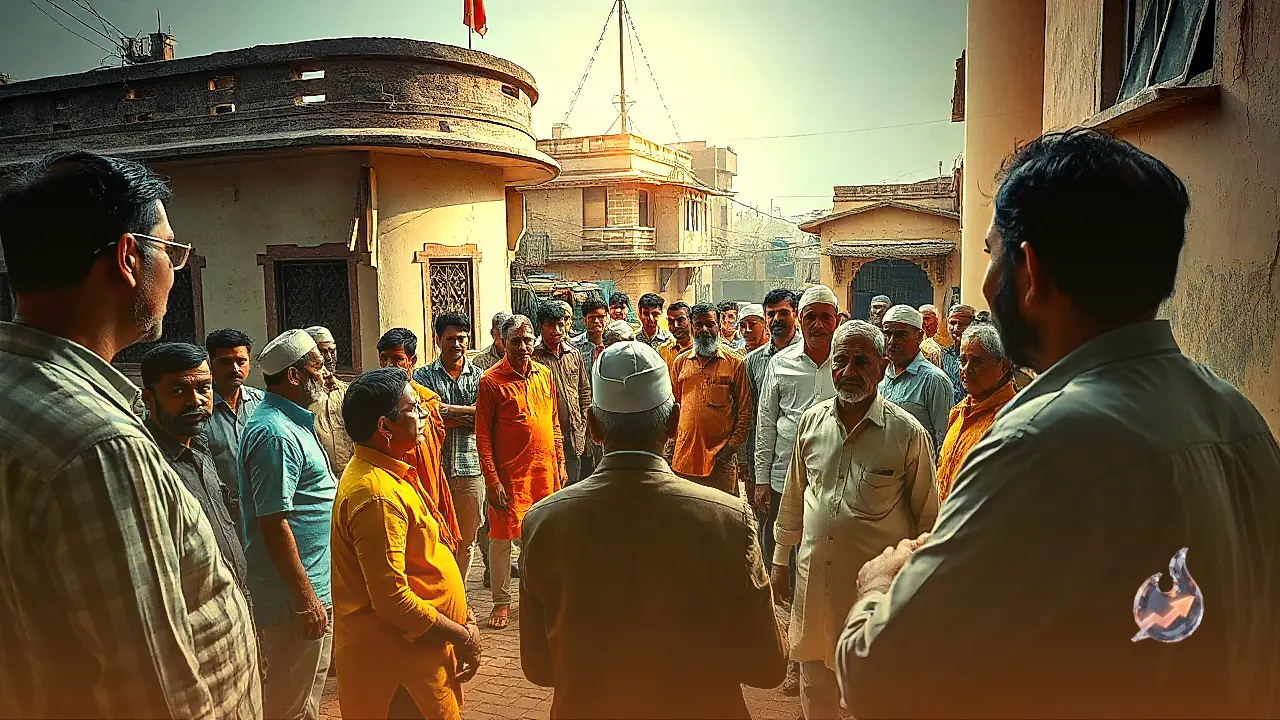


















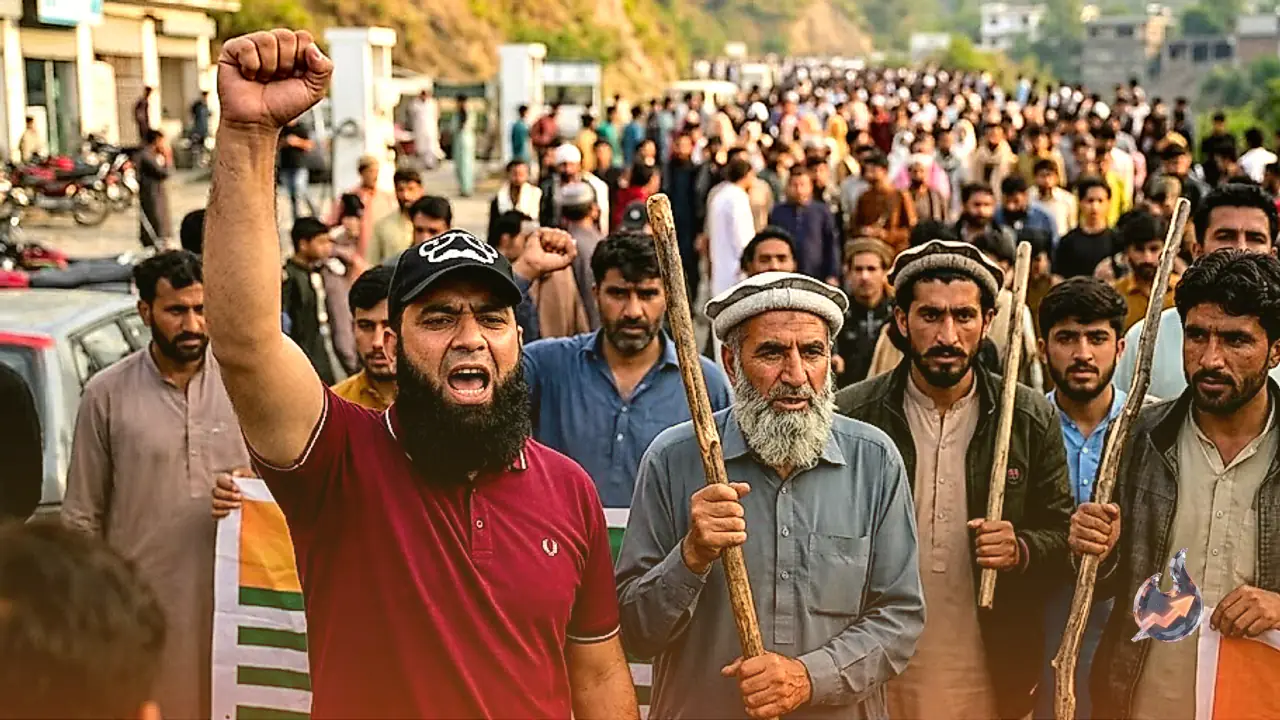

Tensions have reached a breaking point once again in Pakistan-occupied Kashmir (PoK) as the dialogue between the government and the Joint Awami Action Committee has collapsed completely. With the breakdown of negotiations, the committee has declared that if their grievances remain unaddressed, a massive, large-scale movement will be launched across the entire region.
48-Hour Ultimatum Lapses
The Joint Awami Action Committee had previously issued a 48-hour ultimatum to the government to fulfill a list of 38 demands. These demands encompassed critical issues such as improved governance, relief from the soaring cost of living, reforms in law and order, granting local control over regional resources, and the immediate release of detained activists. Despite the expiration of the deadline, the government failed to provide any substantial response or engage in meaningful reconciliation.
Long March Set for July 15
To escalate their protest, the committee has officially announced a long march starting on July 15, moving from Rawalakot toward Muzaffarabad. While district authorities in Rawalakot have acknowledged the announcement, they claim to be in a wait-and-see mode, suggesting that further action will be determined based on the situation as it unfolds on the ground. Consequently, July 15 is being viewed as a critical date for a potential major confrontation between the public and the state machinery.
End of Diplomatic Channels
Protest leaders have asserted that the window for dialogue has effectively closed. The movement is now entering its most crucial phase, with the organization vowing to conduct large-scale demonstrations throughout PoK. The committee leadership has directed severe allegations against the Pakistan government and the military, accusing them of abandoning negotiations in favor of brute force. They maintain that while they initially sought a peaceful resolution, the state's determination to silence public dissent has left them with no alternative.
Intensified Raids and Detentions
Security agencies and police have ramped up raids across various parts of PoK to quell the dissent. Reports indicate that the Tatta Pani area has seen particularly aggressive measures, with allegations that women and children have been detained during the search for protesters. The committee contends that these arrests of leaders and activists are systematic efforts to weaken the momentum of the movement. While the administration justifies these actions as necessary for maintaining law and order, opposition groups decry them as intimidation tactics aimed at suppressing peaceful protest.
International Scrutiny
The escalating situation in PoK has now attracted international attention. Bob Blackman, a Member of Parliament in the UK, recently criticized the use of force against demonstrators and urged the British government to ensure accountability. Experts observe that the Pakistan government now faces a complex challenge. If the state continues to use force, it risks further fueling public anger and drawing international condemnation. Conversely, conceding to the demands could trigger similar uprisings in other regions. At present, the Joint Awami Action Committee remains steadfast, stating that the movement will persist until their demands are met and all detained leaders are released. With the cessation of talks and ongoing arrests, PoK appears to be heading toward a prolonged period of unrest.