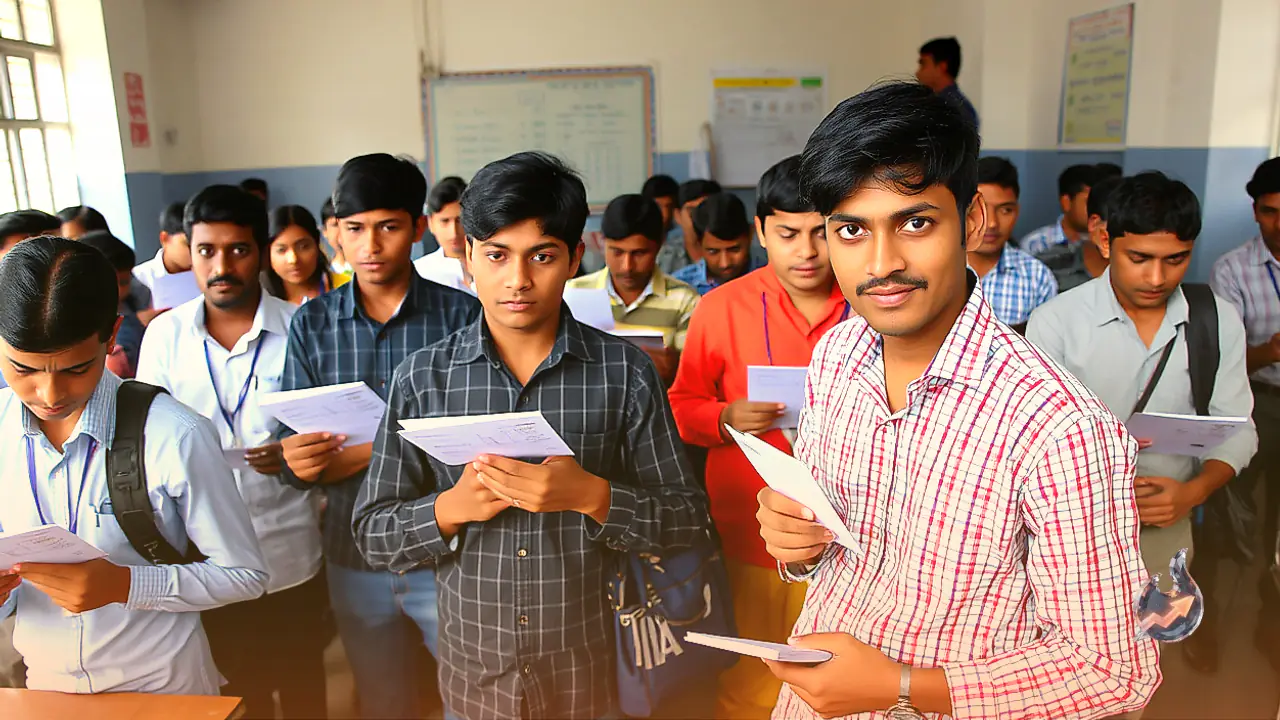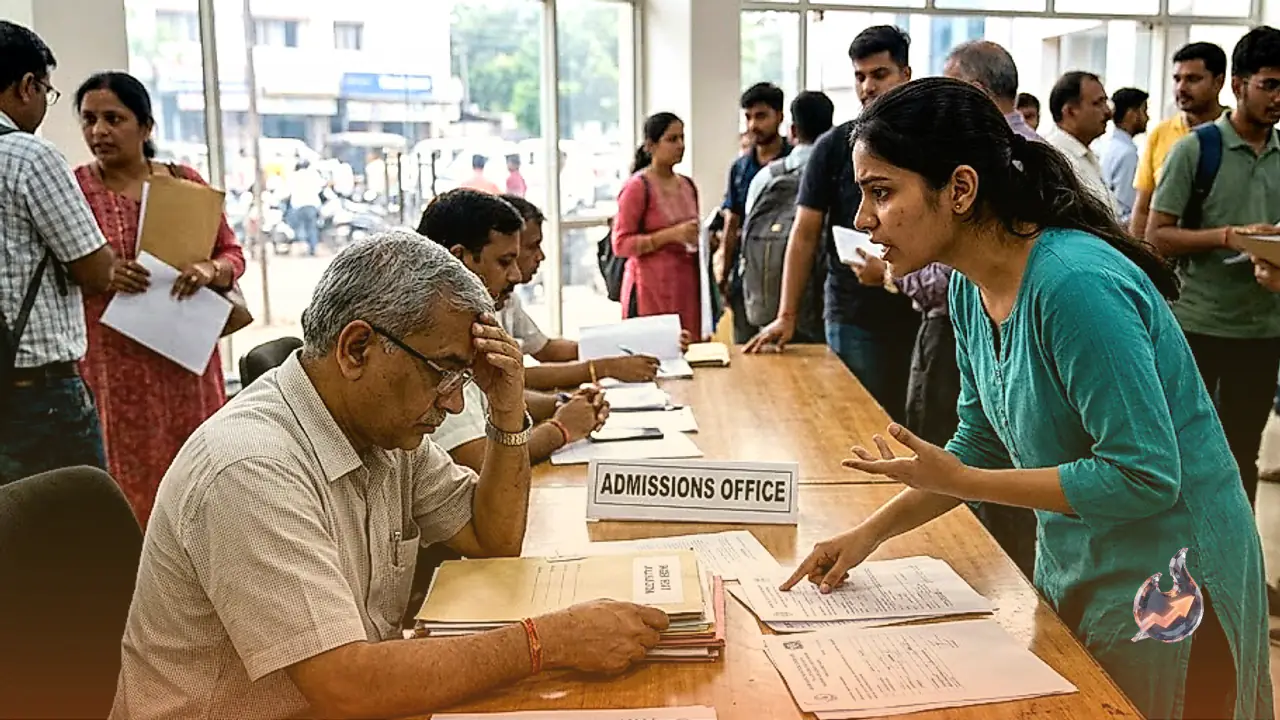





















Rajasthan has thrown open a fast track into skill based careers, with admissions to ITI, or Industrial Training Institutes, across the state now open for the 2026-27-28 session. In today's competitive job market, practical, hands-on skill matters just as much as a paper qualification, and that shift in demand is exactly why Industrial Training Institutes have emerged as a strong, dependable option for young people looking to build a career quickly. The window began today, on 15 July, and covers every government and private ITI in the state through a single, fully online and centralised process.
Who Is Running the Admission Drive
The entire schedule is being managed by the Department of Skill, Employment and Entrepreneurship, which is overseeing the process to make sure every candidate gets a fair shot at the institute and trade of their choice without having to run between offices. The whole system works through one central portal, keeping the process simple for students spread across the state.
How and Until When to Apply
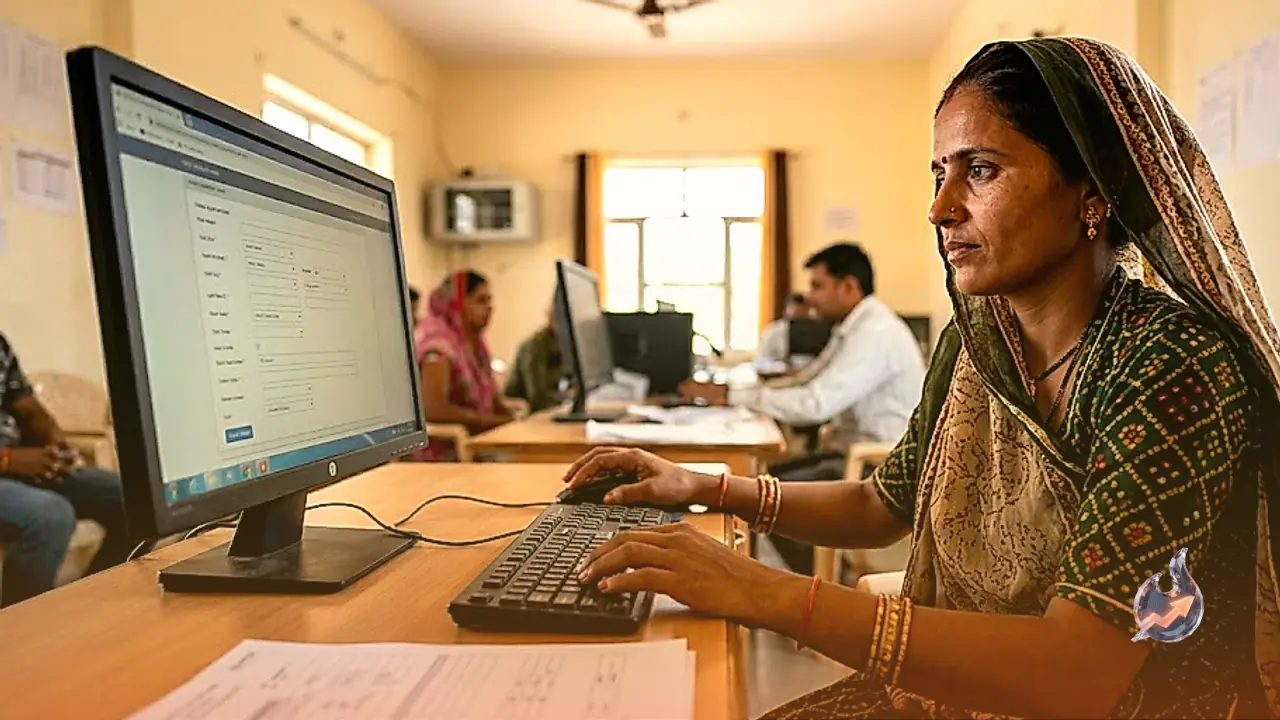
Candidates can log in with their SSO ID or visit their nearest e-Mitra centre to submit the online application form, and they have until 23 July to do so. The biggest relief for students this year, as before, is that there is no separate, tough entrance exam to clear. Admission will be decided purely through a merit list drawn up from each candidate's existing academic record, so stronger marks translate directly into a better shot at the trade and institute of their choice.
The Full Calendar, From Merit List to Seat Allotment
A day after applications close, on 24 July, a provisional merit list will be released, letting every applicant check their marks and rank. Four days later, on 28 July, the first seat allotment list will come out. This calendar gives applicants a clear, week by week roadmap instead of an open ended wait, so families can plan around fixed dates rather than guesswork. Students who make it into this first round must personally report to their allotted ITI between 30 July and 3 August, where they will need to get their original documents verified and pay the prescribed admission fee. Completing this step within the given window is mandatory, since missing it will result in the seat being automatically cancelled.
A Second Round, and a Chance to Switch Trades
Seats that remain vacant after the first round will be filled through a second seat allotment list on 5 August, giving another shot to candidates who either missed out earlier or were holding out for a better option. On 8 August, the institutes will also run an internal sliding process, under which students who have already secured admission can move into a different trade or institute if a seat opens up there, matching their original preference. This gives students yet another opportunity to land the course they actually wanted. Once all these stages are done, regular classes for the new academic session will formally begin across all ITI institutes from 10 August.
Eligibility and the Trades Drawing the Most Interest
The eligibility rule is straightforward, applicants must be at least 14 years old as on 1 September. Depending on the specific trade, students who have passed class 8, class 10 or class 12 are eligible to apply online. What sets ITI courses apart is the heavy emphasis on hands-on, practical training rather than classroom theory. Because these institutes prioritise workshop based learning over rote classroom study, graduates typically step into jobs, or set up small enterprises of their own, far sooner than they would after a purely academic degree. Trades such as Electrician, Fitter, Welder and COPA (Computer Operator) are currently the most sought after among students, since completing training in these fields opens up direct employment opportunities both in India and abroad. Many students also go on to start their own ventures after finishing their training. That combination of speed and practical relevance is exactly why ITI courses are fast becoming the first choice for young people looking to build a career in a short span of time.