



















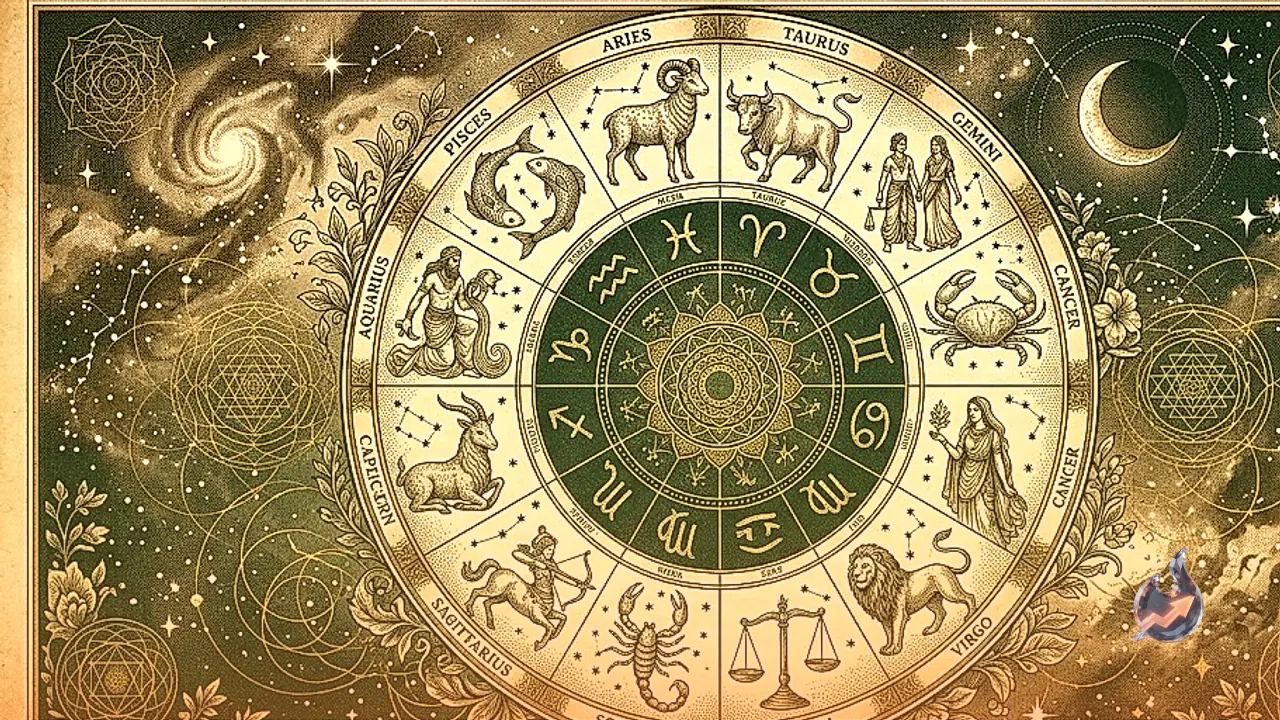
The final solar eclipse of the year 2026 is scheduled to take place on Wednesday, August 12, coinciding with the holy Sawan Hariyali Amavasya. From both religious and astrological perspectives, this celestial event is considered highly significant. The upcoming solar eclipse will occur in the zodiac sign Cancer and the Ashlesha nakshatra. Although this particular eclipse will not be visible in India, meaning no traditional sutak period will be observed locally, it will be witnessed as a total solar eclipse across several European nations, plunging those regions into momentary daytime darkness. According to astrological principles, regardless of where an eclipse is physically visible on Earth, the planetary alignments during that specific window exert an influence worldwide.
Aries Ascendant and the Horoscope of Independent India
Based on astrological calculations, the chart for the Amavasya on August 12 will feature the dominance of the Aries ascendant according to Indian standard time. Meanwhile, the concurrent planetary influences in Cancer during the solar eclipse point toward notable shifts in weather patterns and societal conditions. In the natal chart of independent India, Cancer is the ruling sign of the Moon, lending special significance to the planetary transits occurring within this sign for the country.
Heavy Rainfall and Flood Risks Predicted for Central India and Odisha
Cancer is a water sign, and a solar eclipse occurring in the Ashlesha nakshatra is traditionally believed to heavily influence precipitation and water-related phenomena. Astrological indicators suggest that over the weeks following August 12, heavy downpours are likely to grip the central and south-eastern regions of the country. Specifically, states such as Madhya Pradesh, Maharashtra, Chhattisgarh, and Odisha face potential waterlogging and flood-like situations driven by excessive rainfall. According to the traditional Kurma Chakra, the Ashlesha nakshatra corresponds to the south-eastern direction. Consequently, astrological forecasts warn of prolonged heavy precipitation and potential flooding in Odisha over the subsequent 30 days or so.
Relief from Humidity Expected in Delhi and NCR
The post-eclipse weather transformation is projected to impact Delhi and its surrounding National Capital Region as well. During the second fortnight of August, robust rainfall activity across the capital and neighboring territories is expected to provide much-needed respite from the persistent, humid heat. Nevertheless, heavy spells of rain may simultaneously trigger localized waterlogging challenges in select pockets.
Good Rains Foreseen Across Southern India
Taking into account Saturn's transit through Pisces during the eclipse alongside the aspect of Venus, astrological computations point toward favorable rainfall in Telangana and Andhra Pradesh. Precipitation levels across select parts of southern India could outpace normal averages. Given these forecasts, residents residing near rivers, rivulets, and large water reservoirs have been advised to keep a close watch on changing weather developments.
Potential Rise in Social and Political Friction
The repercussions of the solar eclipse are not restricted to meteorological shifts alone. Astrological evaluations indicate that Venus, positioned in Virgo in the eclipse chart, will experience the seventh aspect of Saturn and the fourth aspect of Mars. This specific configuration is traditionally interpreted as an agitator of social tension. As a result, controversies and sensitive disputes across various parts of the nation could witness a surge in activity. Propagated by astrological interpretations, the atmosphere may heat up regarding crimes against women, student demonstrations, and broader community clashes. Furthermore, verbal duels and political confrontations between the ruling establishment and opposition parties are anticipated to escalate, making the initial 15 days following the eclipse politically sensitive.
Challenges for Dairy Farmers and Fluctuations in Milk Prices
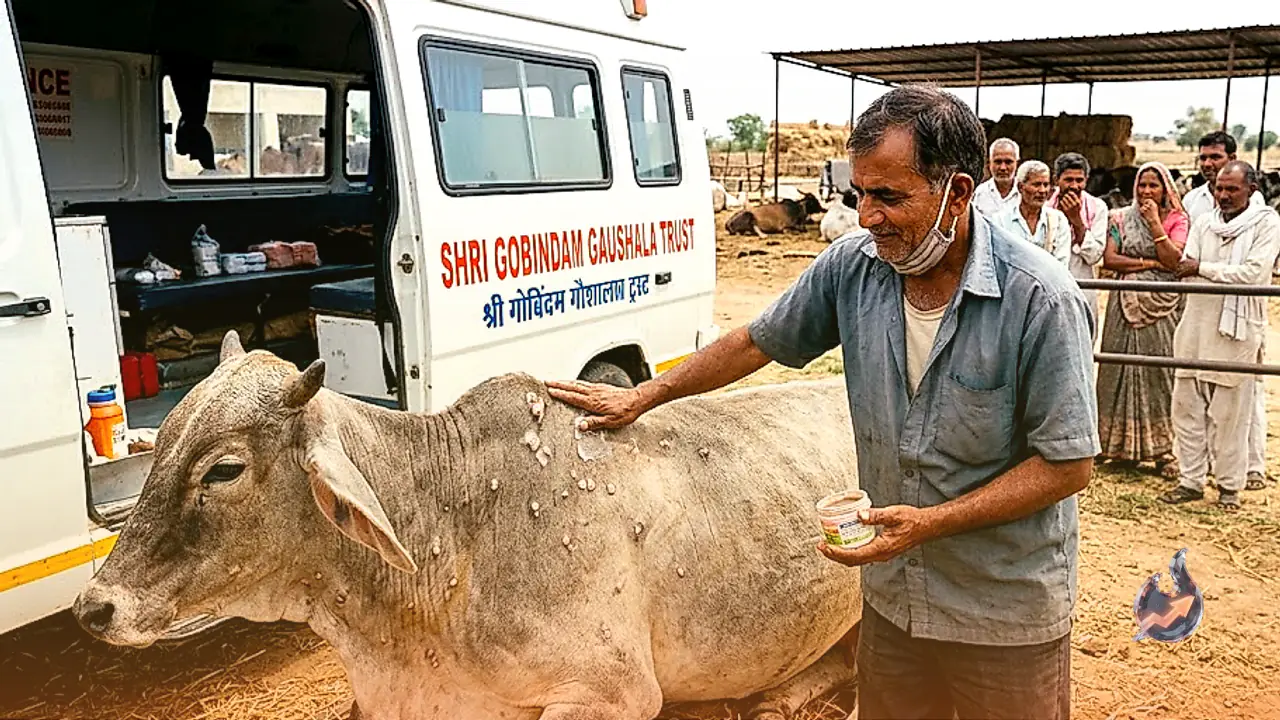
Within classical astrological traditions, Cancer is closely associated with water, nourishment, and nurturing care. Astrological texts designate an eclipse occurring in Cancer during the month of Sawan as a challenging phase for individuals involved in animal husbandry and livestock rearing. Grounded in this astrological premise, dairy farmers are likely to encounter emerging operational hurdles in the near future. The astrological chart further hints at mounting pressure on governing authorities regarding milk pricing and dairy-related grievances.