
The film 'Kala Hiran', built around the much-talked-about blackbuck poaching case linked to Salman Khan, is making headlines well before its release. What began as buzz has now hardened into an open feud between two people connected to the project: producer Amit Jani on one side and senior actor Govind Namdev on the other. Their disagreement has now reached the doorstep of the courts.
What sparked the clash
Govind Namdev was once attached to this very film, but he later stepped away from it. He raised questions about the film's content and, after watching the teaser, went so far as to say that he could not go against Salman Khan. It was this stance and statement that angered the producer, prompting Amit Jani to take the legal route.
The producer's blunt conditions
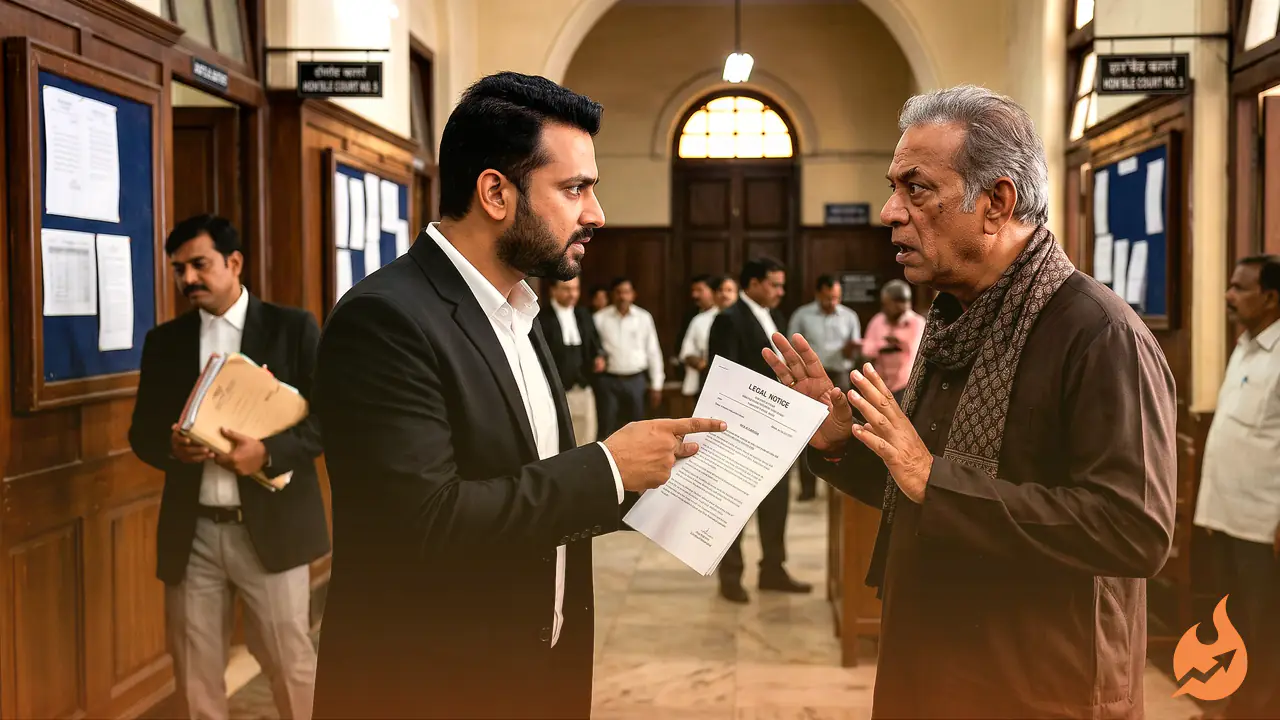
Amit Jani has formally served a legal notice on Govind Namdev. His demand is clear: the actor must apologise publicly within seven days and pay the production house Rs 50 lakh in damages. The producer has also stated plainly that if the apology does not come within the set deadline, he will pursue further legal action against Namdev.
In a post on the social media platform X, Jani wrote in a sharp tone:
गोविंद नामदेव जी के गले में क़ानून का पट्टा डालकर अदालत में लेकर आयेंगे हम
In another post he repeated that a notice had been sent to Namdev, warning that legal action would follow if a public apology and the Rs 50 lakh penalty were not delivered within seven days.
Where is Salman in the film
The producer insists that Salman Khan has not been used anywhere in 'Kala Hiran'. The teaser instead features a character named 'Ayan Khan'. That said, the character's face and mannerisms closely resemble Salman Khan, and it is perhaps this very likeness that has pulled the film into discussion and controversy even before it hits screens.
What happens next
As things stand, the film has become part of a legal and public debate before it has even reached theatres. While Govind Namdev has distanced himself entirely from the project, producer Amit Jani shows no sign of backing down. Once the seven-day deadline lapses, it will be worth watching whether the matter actually lands in court.