





















After a long wait, the trade agreement between India and the United Kingdom finally came into force on July 15. Framed as a Comprehensive Economic and Trade Agreement (CETA), the deal is designed to accelerate commerce between the two countries, with its biggest goal being to lift bilateral trade to $100 billion by the year 2030. For everyone watching the deal, the most immediate question was simple: how much did India actually ship to Britain on the very first day? The early numbers are now in. According to Commerce Secretary Rajesh Agarwal, India sent goods worth $140 million, roughly ₹1,347.55 crore, to the UK on the opening day of the agreement.
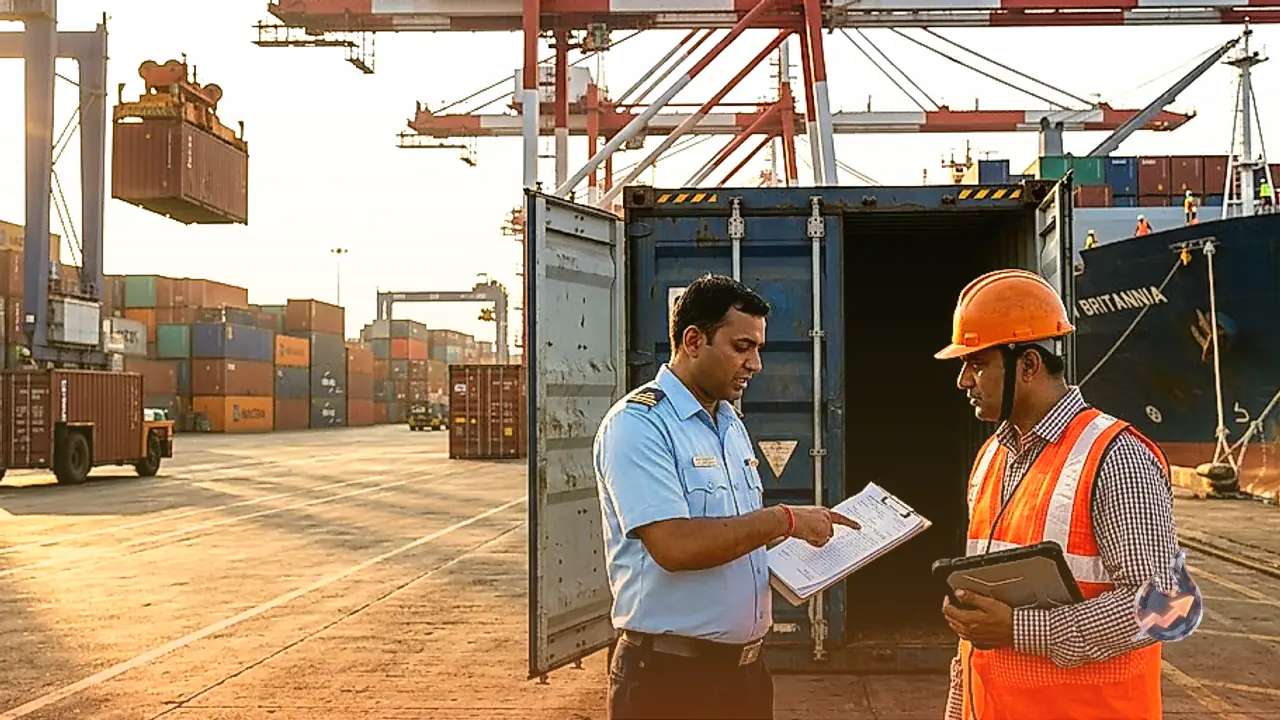
The enthusiasm was visible in the figures. More than 50 consignments headed to Britain from over 20 ports, airports, inland container depots, special economic zones and factories across the country, together carrying a value of more than $140 million. These shipments included a wide mix of products, from electronics and medicines to gems and jewellery. The goods moved out through the Mundra, Nhava Sheva and Chennai ports, as well as the air cargo hubs in Mumbai, Kolkata and Hyderabad.
Which sectors gain the most
The single biggest feature of the deal is that around 99 per cent of India's exports will now enter Britain duty free. In practical terms, these products can reach the British market without paying any import duty. That directly benefits sectors such as leather, footwear, textiles, mechanical and electrical machinery, plastics, base metals, marine products and gems and jewellery. Until now, these goods attracted import duties ranging from 2 per cent to 16 per cent in Britain. With those duties gone, Indian products will land cheaper there and become far more competitive against goods from other countries.
The $100 billion target for 2030
Through this agreement, the government aims to push bilateral trade between India and Britain to $100 billion by the year 2030. UK High Commissioner Lindy Cameron has said that, over the long term, the deal could add more than £25 billion in additional trade between the two countries every year. Beyond that, it is estimated to add roughly £5 billion each year to the economies of both India and Britain.
A market for government procurement opens up
Another notable feature of the agreement is its provision on government procurement. Under it, Indian companies will get legal access to Britain's government procurement market of around £90 billion. At the same time, India has set several conditions to protect the interests of its micro, small and medium enterprises, or MSMEs. The government has made clear that the priority already enjoyed by Indian MSMEs will not be affected by this deal. British companies will be able to take part only in the tenders of select central government institutions in India. In addition, they will be kept out of government procurement contracts worth less than ₹5.5 crore and construction works worth less than ₹60 crore.
A cautious stance on patents and carbon tax
The agreement also carries provisions on intellectual property rights, or IPR. The government has clarified that India's existing right to issue compulsory licences in the public interest will remain intact. Meanwhile, talks are still underway between the two countries over Britain's proposed Carbon Border Adjustment Mechanism, essentially a carbon tax. That system could come into effect from 2027 and may hit India's exports of iron and steel, aluminium, fertiliser and cement. India has already made it clear that if this carbon tax affects Indian exports in the future, it reserves the right to review some of the concessions granted under the agreement.
Taking the benefits to industry
Commerce Secretary Rajesh Agarwal said the commerce department, together with the export promotion councils, will run a campaign to carry the benefits of this agreement to industrial clusters across the country, so that as many Indian companies as possible can make use of it. Exports worth $140 million on the very first day signal that Indian industry is fully ready to seize this opportunity. In the years ahead, the effects of the deal are expected to show up clearly in India's exports, investment and employment.