






















On February 28, 2026, the United States and Israel launched strikes on Iran, and the tremor that followed did not fade in a day. It stretched into a five month ordeal that stripped lakhs of crores from Indian equities, pushed gold to record after record, and quietly rewarded the smallest and calmest investors who refused to run for the exit.
The first shock landed on March 2
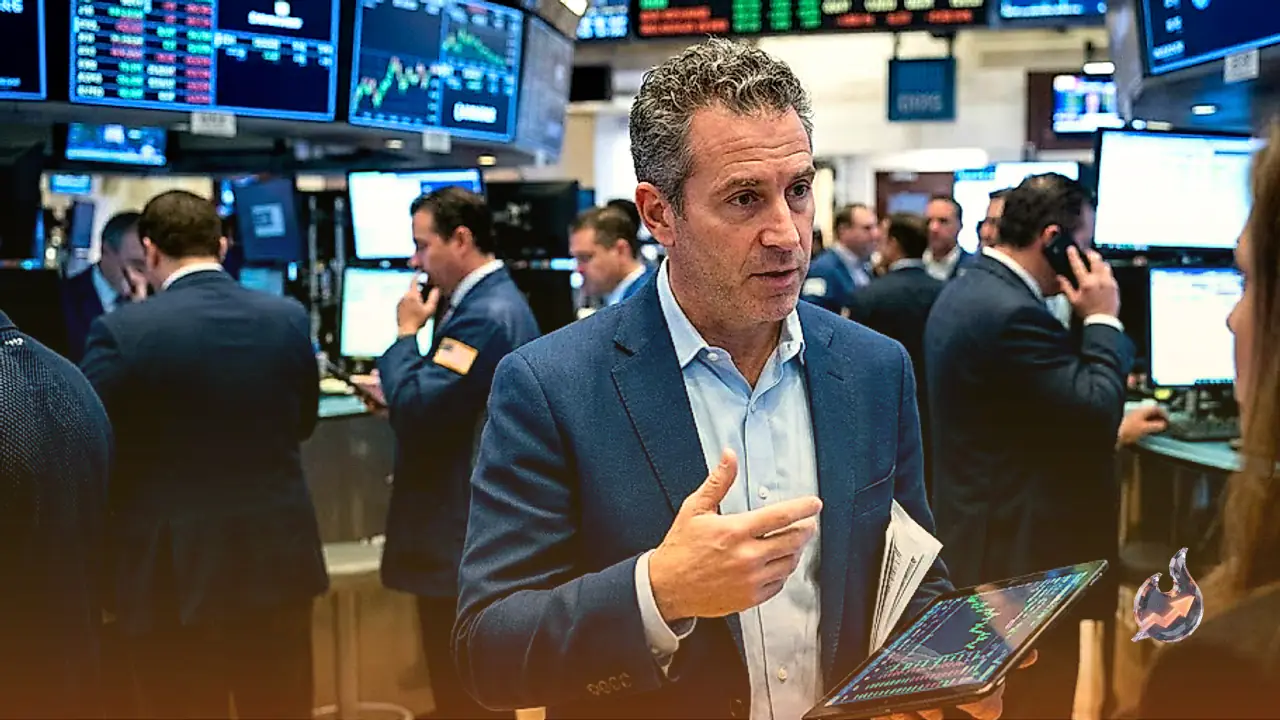
Indian markets were closed for a holiday on February 28, so the full reaction arrived only when trading resumed on March 2. The Sensex crashed by as much as 2,744 points during the session, while the Nifty 50 shed more than 500 points. In a single morning, close to ₹6.8 to 8 lakh crore of investor wealth evaporated. India VIX, the gauge that measures how frightened the market is, jumped to nearly 19 to 20 percent that day. The rupee weakened past 91 against the dollar for the first time in a month, and crude oil raced toward multi year highs on a single fear, that the Strait of Hormuz, the channel that carries roughly a fifth of the world's daily oil, could be shut.
A month of selling that erased ₹47 lakh crore
The bleeding did not stop with the first jolt. By the fourth week of the conflict, both the Nifty and the Sensex had slipped more than 9 percent each, wiping out around ₹40 lakh crore of combined market value. Banking stocks were hit hardest as rising bond yields squeezed lenders, with the Nifty Bank index falling 13.6 percent and the Nifty PSU Bank index dropping 16 percent. Within just 23 days of the first strikes, the total damage crossed ₹47 lakh crore. Foreign investors headed for the door in force, selling more than ₹1.34 lakh crore of Indian shares over the year, and the heaviest wave, close to ₹86,780 crore, drained out in March alone.
Not one crash, but a five month rollercoaster
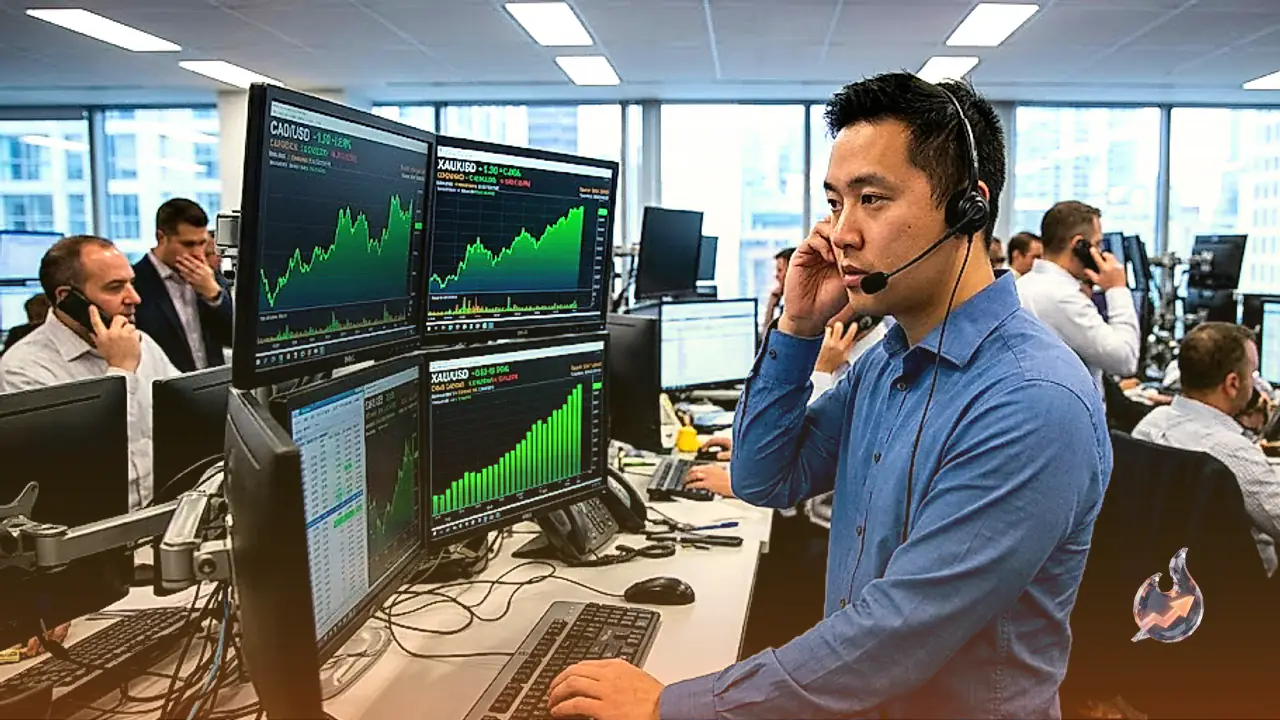
What made 2026 unusual was that the war never behaved like a single event. It kept forcing the market to re-price the same story over and over. A fragile ceasefire held through April. In June, a memorandum to end the war was signed at Versailles, and the naval blockade was lifted for a short while. Then, in early July, the calm shattered again: Iran resumed strikes on shipping, the United States hit back, Brent crude climbed back above $85 a barrel, and both the Sensex and Nifty tumbled into fresh rounds of selling through the middle of July. For ordinary investors, this on and off rhythm mattered far more than any single bad day. Anyone who panicked and sold in March missed the partial rebound between April and June, only to walk straight into renewed turbulence in July.
Gold quietly became the hero
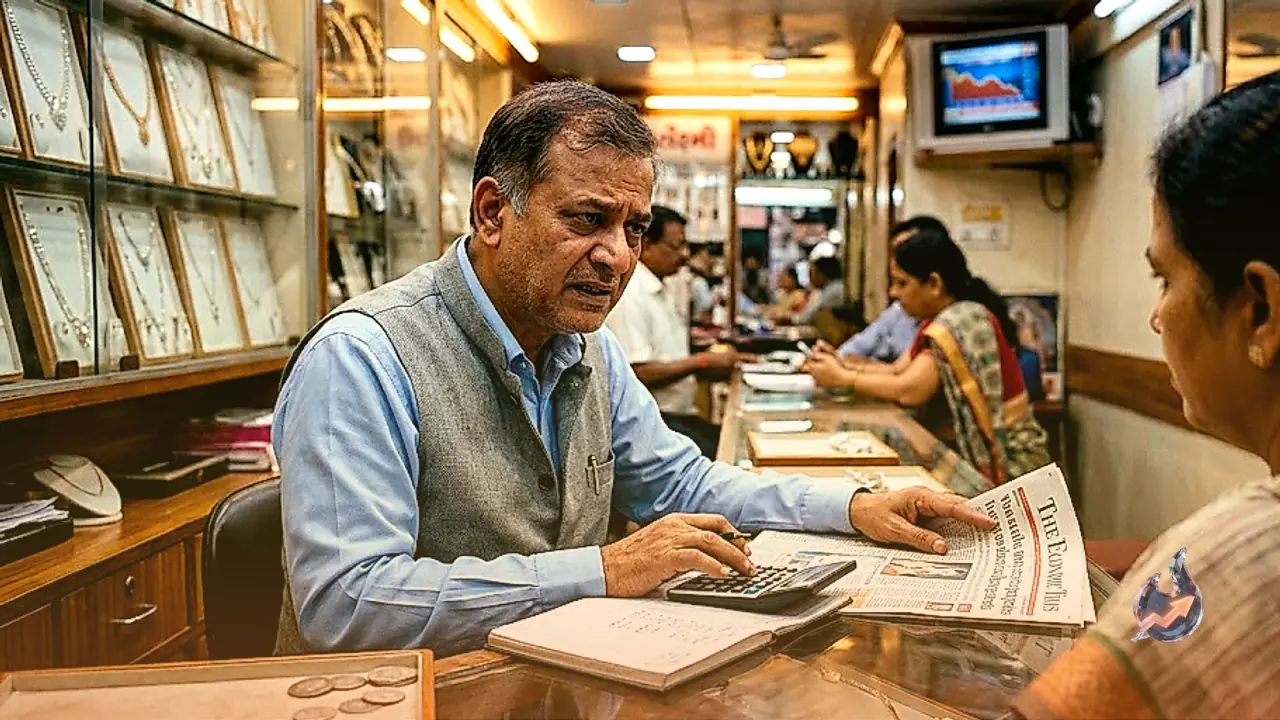
Gold and silver had already touched all time highs in January 2026, just before the fighting began, and appetite only intensified after that. In the first quarter of 2026, India's gold demand rose 10 percent from a year earlier to 151 tonnes, while investment demand alone jumped 54 percent to 82 tonnes, a clear sign that people were buying gold as a financial asset and not merely as jewellery. For the first time on record, a single month's inflow into gold ETFs briefly overtook the inflow into equity mutual funds, and India made up roughly 32 percent of global gold ETF demand in that quarter.
When big money hit a wall, small money kept flowing
That surge in demand strained the physical supply chain. In June 2026, six major fund houses temporarily restricted large lump sum subscriptions to their gold schemes, blaming a shortage of physical gold and a new GST levy on gold imported by banks. Crucially, small SIP and exchange traded purchases were left untouched. A retail investor putting ₹500 a month into a gold SIP kept going without a single interruption, even as big ticket money slammed into a barrier. It was a vivid demonstration of how the tiniest, steadiest investments proved the most durable.
What the five months teach an investor
- Do not dump equities in a panic. Domestic institutional buying repeatedly cushioned Indian markets even when foreign investors were selling heavily.
- Hold a small, steady gold allocation of 5 to 10 percent through a SIP or ETF, since gold was the one asset that stood firm through every stage of this war.
- Keep an eye on defence, upstream oil and select IT stocks, the pockets that held their ground or even gained while the wider market sank.
- Steer clear of large lump sum bets on any single asset during a live conflict, because supply side curbs, like the 2026 gold restrictions, can appear without warning.
- Lean on micro investing tools, SIPs starting from ₹100 to ₹500, which proved far more resilient and accessible than heavyweight bets throughout the war.
- Expect setbacks, not a tidy ending. This conflict delivered a ceasefire, a signed treaty and a fresh collapse inside five months, and anyone who priced in peace too early got burned twice.
The real lesson under all the noise
Nobody can forecast when the next war will erupt, but the 2026 US-Iran conflict has reinforced a very old truth. A diversified, disciplined, small and steady approach beats trying to outguess the next headline. In the end, safety comes less from picking the one correct asset and more from refusing to stake everything on a single bet, and from staying invested through the entire arc rather than only the first frightening week. This piece is meant purely for information and is not investment advice; the market data reflects public reporting as of July 14, 2026, and conditions can shift quickly, so it is wise to consult a SEBI registered financial advisor before making any decision.