
Recent friction in global textile commerce has placed international garment supply chains at a critical juncture. Severe industrial unrest and widespread factory closures in Bangladesh, the world's second-largest ready-made apparel exporter, have triggered concern among international fashion conglomerates. Major fashion labels across North America and Europe, fearing severe logistics breakdowns and missed seasonal deadlines, are canceling existing Bangladeshi production contracts and redirecting multi-million dollar procurement orders. Analysts estimate that if political and operational instability in Bangladesh persists, up to $4 billion in global apparel trade could shift elsewhere, placing Indian manufacturing ecosystems at the forefront of this regional order reallocation.
Bangladesh's Core Economic Engine Faces Crisis
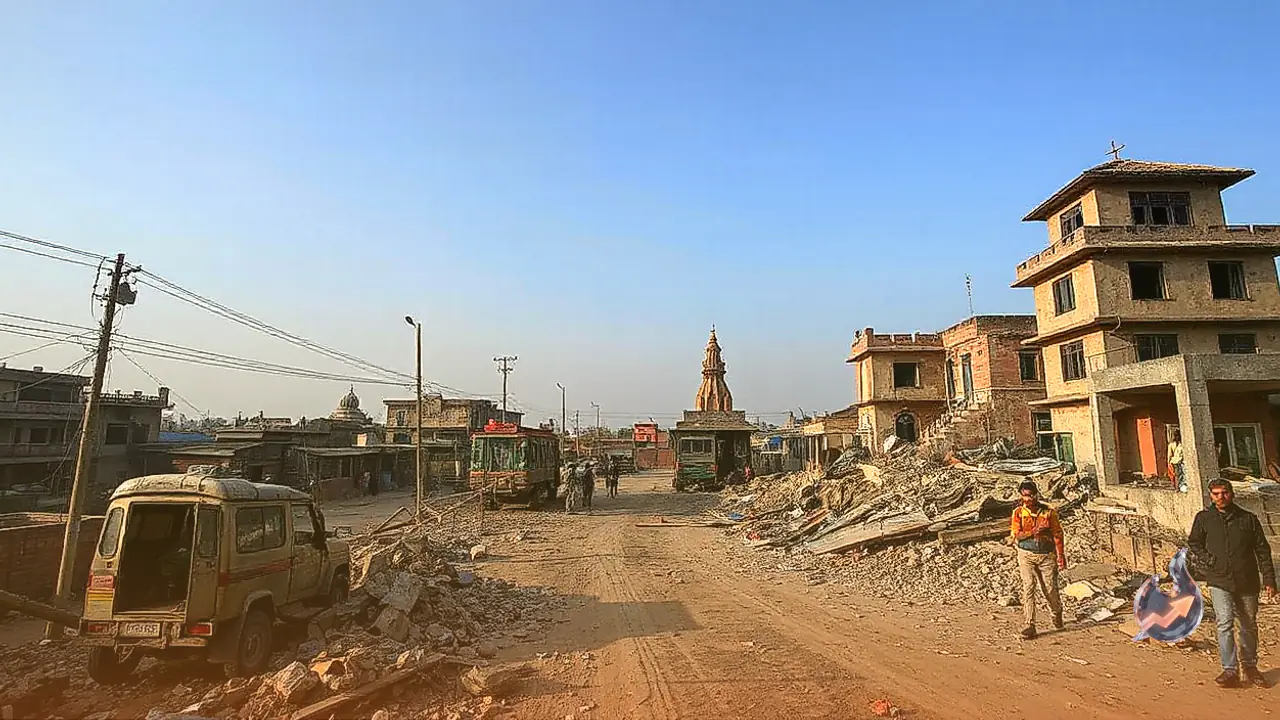
The ready-made garment (RMG) industry serves as the backbone of Bangladesh's national economy, generating between $38 billion and $40 billion in annual export revenues while offering direct employment to over 4 million workers. However, worker protests that erupted in November 2026 have severely halted production operations across key industrial belts. At the root of the dispute lies the issue of statutory minimum compensation. Garment workers in Bangladesh currently earn a baseline minimum wage of 12,500 Taka per month. Amid rising living costs and inflationary pressures, labor groups are demanding an increase to 30,000 Taka monthly. Conversely, factory owners maintain that they cannot sustain wage hikes exceeding 15 percent, leading to a prolonged deadlock.
Financial Impact: $682 Million Lost in 18 Days
The operational freeze has dealt a heavy financial blow to Bangladeshi apparel manufacturers. A comprehensive survey conducted by the Bangladesh Garment Manufacturers and Exporters Association (BGMEA) between November 1 and November 18 revealed the extent of the damage. Within just 18 days, 317 surveyed factories reported direct operational and production losses amounting to approximately $428 million. Furthermore, apprehensive foreign buyers canceled nearly 59 million garment orders (5.9 crore units) valued at $254 million, reassigning production contracts to alternate manufacturing destinations. While the BGMEA survey explicitly recorded data from 317 units, industry assessments indicate that over 600 production facilities faced disruption, resulting in a total economic impact of $682 million in under three weeks.
Regional Race for a Potential $4 Billion Market Share
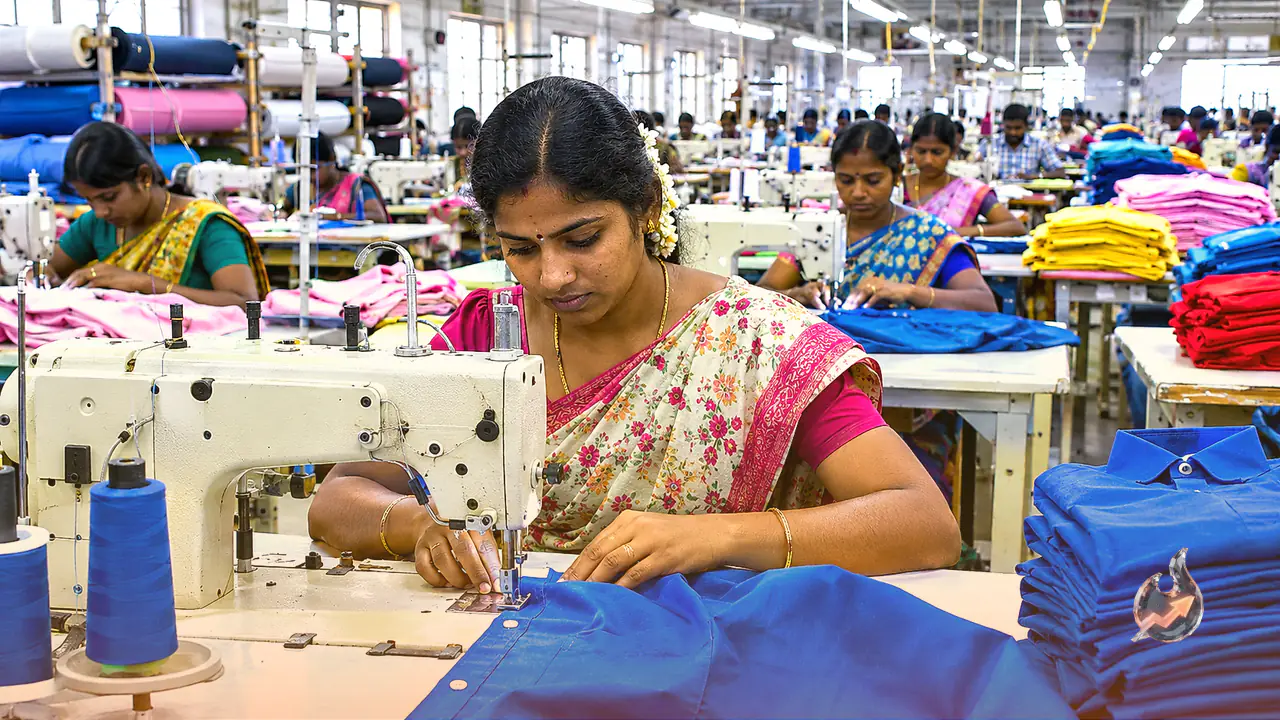
While exact figures detailing the allocation of the initial $254 million in canceled orders remain undisclosed, manufacturing bases in India, Vietnam, Pakistan, and Sri Lanka are competing to capture the diverted workload. Should the potential $4 billion apparel export business fully transition away from Bangladesh, India's integrated textile infrastructure stands well-equipped to absorb a substantial portion. Unlike countries dependent on imported raw inputs, India maintains an end-to-end supply ecosystem covering cotton cultivation, yarn spinning, fabric weaving, and final garment assembly.
Four Key Indian Garment Hubs Set to Benefit
The diversion of international fashion orders is expected to boost specialized manufacturing clusters across India
- Tirupur (Tamil Nadu): Widely recognized as India's premier knitwear hub, Tirupur specializes in cotton apparel, t-shirts, and children's clothing. According to a November 2026 industry report, Tirupur exporters received over Rs 450 crore in fresh supplementary orders within just two weeks of the escalation in Bangladesh.
- Noida (Uttar Pradesh): Noida is a major center for ready-made fashion manufacturing. Equipped with modern production facilities, its factories supply leading retail brands across Europe and the US, positioning local units to secure redirected fashion contracts.
- Bengaluru (Karnataka): Known for its established international export infrastructure, Bengaluru maintains long-standing relationships with global apparel brands, making its manufacturing base a prime candidate for redirected order volume.
- Ludhiana (Punjab): As India's primary hub for hosiery, knitwear, and woolen garments, Ludhiana is uniquely positioned to handle winter wear orders delayed by Bangladeshi factory shutdowns.
India's Three Key Competitive Strengths
India possesses three fundamental advantages that strengthen its position as a reliable alternative. First, the country benefits from an abundant domestic supply of raw materials, including cotton, yarn, and fabric, reducing reliance on external supply chains. Second, established industrial parks and manufacturing infrastructure across major urban centers offer ready operational capacity. Third, ongoing negotiations for free trade agreements (FTAs) with the European Union and the United Kingdom could offer tariff advantages for Indian textile exporters in key Western markets.
Four Major Operational Challenges Facing Indian Exporters
Securing a significant share of the $4 billion trade realignment will require Indian manufacturers to overcome four key challenges
- Capacity Constraints: Major Indian manufacturing facilities are already running near full capacity for domestic and existing export clients, creating challenges in quickly absorbing large unexpected order volumes.
- Competition from Vietnam: Vietnam presents strong competition due to its highly efficient supply chain operations and fast production turnaround times.
- Pricing Pressures: Global buyers accustomed to low-cost manufacturing in Bangladesh may push for tight pricing, placing pressure on Indian exporters' profit margins.
- Strict Delivery Schedules: Given the fast-paced nature of fashion retail, meeting tight delivery deadlines without logistics delays will be essential for Indian companies looking to retain new client accounts.