























The landscape of high-income earners in the country has witnessed a remarkable transformation over recent years. Fresh data shared by the government in Parliament reveals that the count of individuals declaring a gross total income of ₹100 crore or more has expanded more than fourfold within a span of five years. While only 142 people fell into this bracket during the 2021-22 fiscal period, that figure has now climbed to 576, highlighting rapid growth among top-tier income tax payers.
Written Reply by Minister of State for Finance
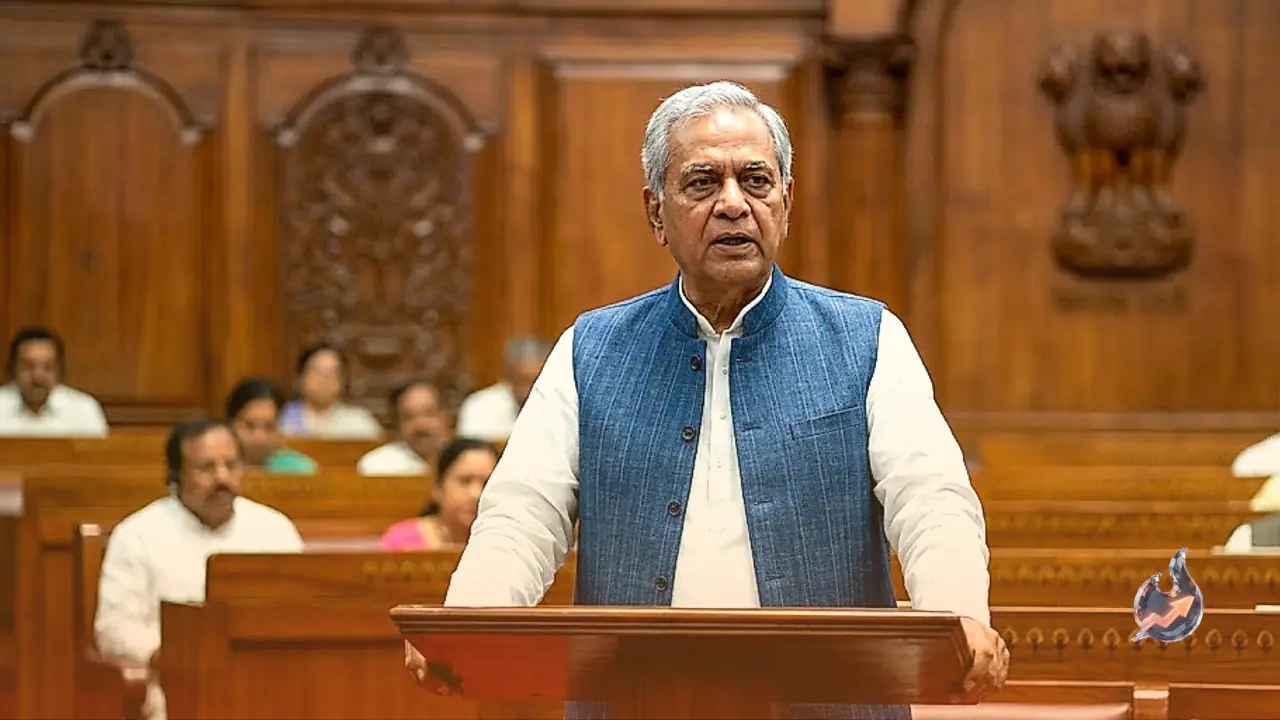
The information was tabled in the Lok Sabha through a written response provided by Minister of State for Finance Pankaj Chaudhary. He clarified that these figures exclusively comprise individuals who reported an annual gross total income of ₹100 crore or greater in their income tax returns. At the same time, the administration pointed out that neither the income tax legislation nor older tax codes contain any legal definition for the term billionaire, meaning these citizens are not officially categorized under such a label.
Year-Wise Growth of Super-Rich Taxpayers
A breakdown of the assessment years indicates that 142 high-earning taxpayers were recorded in 2021-22. In the very next year, 2022-23, that number advanced to 301. Although the count dipped slightly to 284 during 2023-24, momentum picked up sharply thereafter. By 2024-25, the number of such individuals rose to 415, and further accelerated to reach 576 in 2025-26, marking a more than fourfold expansion across the five-year window.
Distinction Between Earnings and Wealth
Authorities specifically noted that these metrics do not represent anyone's total accumulated net worth. They solely capture the annual gross income declared by taxpayers in their official returns, serving as a measure of yearly earnings rather than total asset holdings.
Official Stance on the Term Billionaire
Addressing queries regarding billionaires, the government reiterated that neither the Income Tax Act 2025 nor the previous Income Tax Act 1961 recognizes any legal definition for a billionaire. Consequently, the state does not classify individuals into a separate category based on that term, maintaining records strictly on the basis of declared tax returns.
Absence of Wealth Records Explained
Regarding why total asset tracking is not maintained for the nation's wealthiest inhabitants, Parliament was informed that the Wealth Tax Act 1957 was repealed effective April 1, 2016. Ever since that legislation lapsed, a separate accounting of taxpayers' aggregate wealth has no longer been kept.
Broader Economic Indicators and Consumption Trends
Beyond the rise in high-income earners, the administration highlighted improvements across multiple socio-economic parameters. Citing the Household Consumption Expenditure Survey 2023-24, the government noted a decline in the Gini coefficient across both rural and urban domains, indicating a slight reduction in income inequality and a narrowing gap between rural and urban sectors.
Addressing employment and poverty metrics, official figures showed that the unemployment rate for individuals aged 15 and above eased from 3.6% in 2022 to 3.1% in 2025. Furthermore, Niti Aayog data points to a substantial decrease in multidimensional poverty over the past decade. The administration attributes these gains to a progressive taxation structure, employment-generation initiatives, startup encouragement, and rising expenditure on healthcare, education, housing, and social security.