






















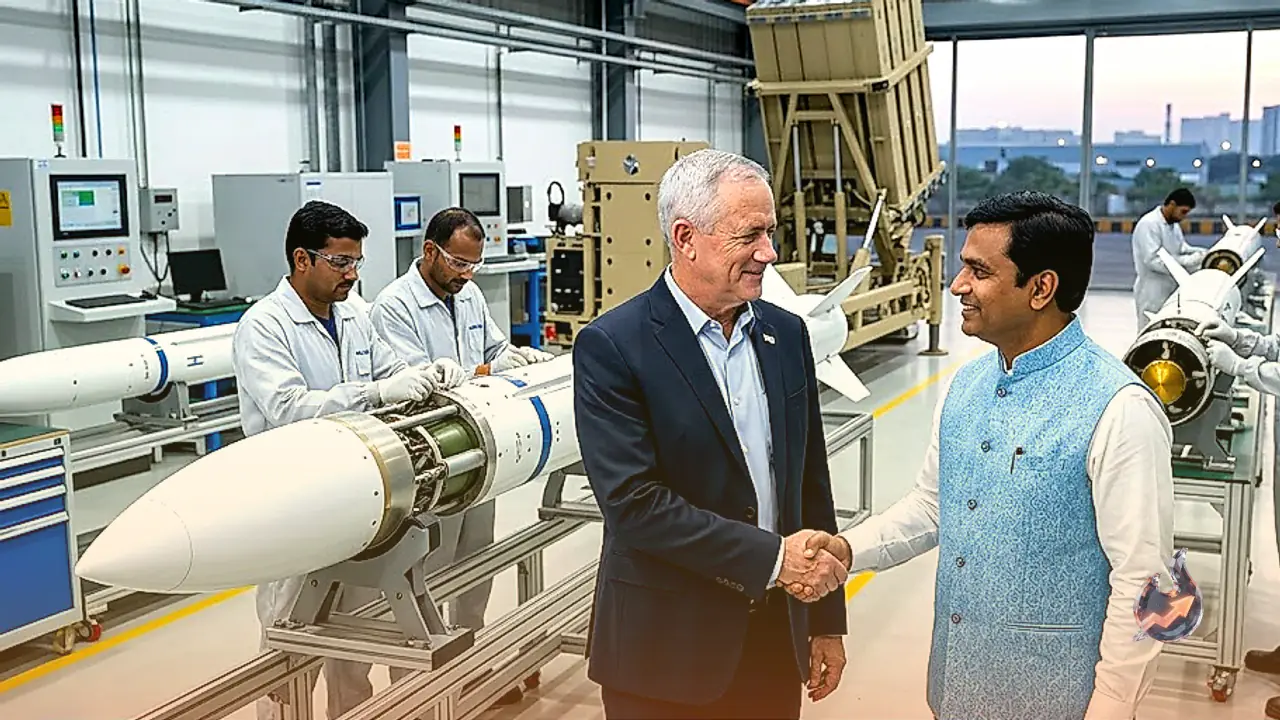

India is rapidly strengthening its footprint in the global defense landscape, and a new, high-profile development is now in the pipeline. Israeli defense giant Rafael Advanced Defense Systems is exploring the possibility of establishing a local production line within India to manufacture interceptor missiles for its globally renowned Iron Dome air defense system. Widely regarded as one of the world's most effective defense shields against rocket and missile threats, the Iron Dome’s potential local manufacturing would position India as only the third major production hub for these interceptors, following Israel and the United States.
Discussions with Indian Partners
According to reports, Rafael is currently engaged in advanced negotiations with several prominent Indian defense manufacturers to assess the feasibility of this project. At present, the company produces these interceptors primarily at its facilities in northern Israel. In a move to expand its operational footprint, Rafael had also collaborated with Raytheon last year to launch a production facility in the United States, which currently supplies interceptors to the U.S. Marine Corps and serves as a backup support system for Israel. Establishing a similar setup in India is viewed as the next logical step in this global expansion strategy.
Strategic Alignment and Make in India
There are several compelling business and strategic drivers for shifting part of this production to India. By manufacturing locally, Rafael stands to significantly reduce production costs and develop surge manufacturing capacity to meet global demand. This initiative aligns perfectly with the Government of India’s Make in India policy, which prioritizes domestic manufacturing, skill development, and self-reliance in critical defense technologies. India already maintains a robust defense partnership with Israel, notably through the jointly developed Barak-8 long-range air defense system currently operated by the Indian Air Force, Navy, and Army. Integrating Iron Dome interceptor production could provide a vital boost to the indigenous National Air Defense System project, known as Mission Sudarshan Chakra.
Established Ties in the Defense Sector
This collaboration is built on a foundation of long-standing industrial cooperation between the two nations. Several Israeli defense companies already have an established manufacturing presence in India. For instance, Elbit Systems currently produces components for its Hermes-900 and Hermes-450 drones within India, and some of these locally manufactured parts are even exported back to Israel. Following the intense drone and missile attacks Israel has faced in recent months, the demand for high-performance air defense systems has surged worldwide. Setting up a production base in India will enable Rafael to better navigate supply chain challenges, tap into new export markets, and ensure continuous availability of its defense systems despite various geopolitical headwinds.