























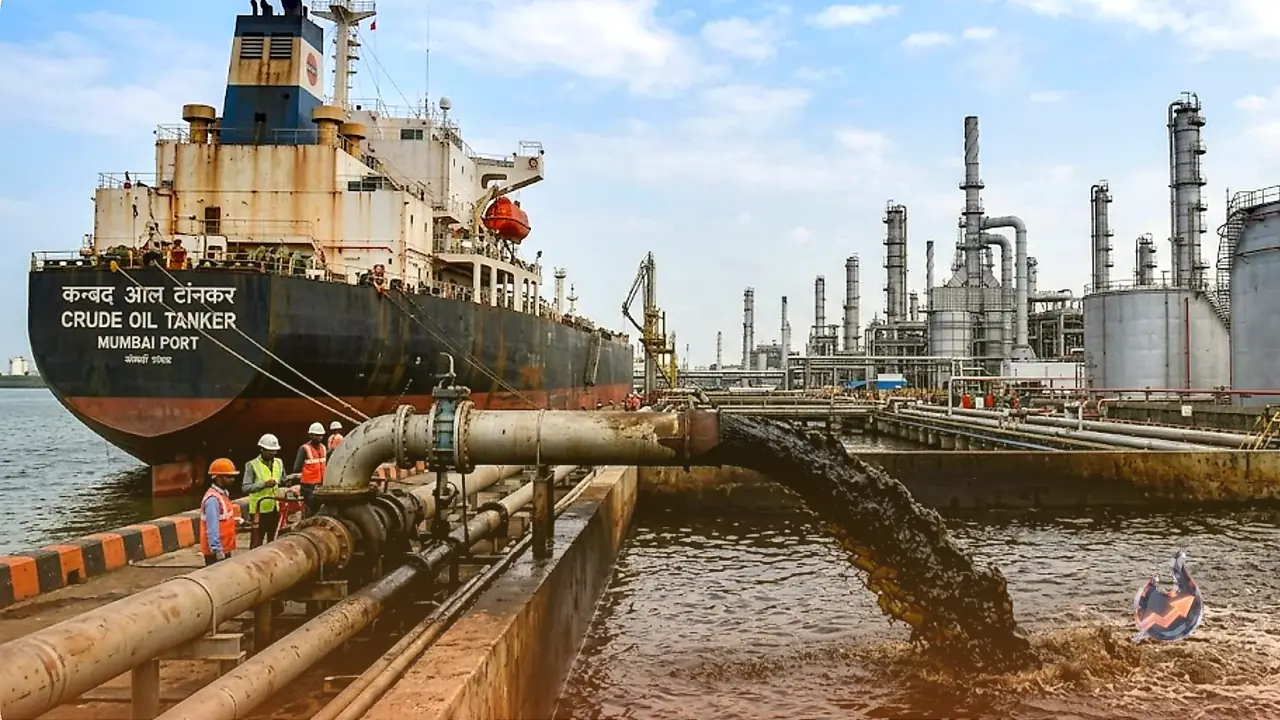

There is a serious stir in the crude oil world right now. Saudi Arabia, counted among the largest oil exporters on the planet, has cut its prices so sharply that the move has stunned the entire global oil market. The state owned firm Saudi Aramco has announced a huge reduction of up to $11 per barrel in the price of its Arab Light crude for Asian buyers, effective from August 2026. Analysts are calling it the biggest price cut in more than 20 years. The countries set to benefit the most from this decision are big importers like India, which buy the bulk of their oil from abroad.
Why Prices Had to Come Down
Several factors are working together behind this cut. In recent days, tensions between Israel and Iran have eased, and oil traffic through the Strait of Hormuz has returned to normal. The direct result is that the availability of crude in markets around the world has gone up. On the other side, the OPEC+ nations have also decided to raise output. When demand is softening and supply keeps rising at the same time, pressure on prices is inevitable. That is exactly why Brent crude slid to around $72 per barrel. In such conditions, Saudi Arabia has played a big card by cutting prices to pull Asian customers toward itself.
What India Stands to Gain
India imports more than 85 percent of the crude oil it needs, and Saudi Arabia is among its most important suppliers. So cheaper oil means the country's import bill could fall directly. The effect will be felt across the whole economy. The strain on the current account deficit (CAD) will ease, the rupee will draw strength, and the health of the foreign exchange reserves will also improve. In other words, a single decision opens the door to relief on several fronts at once.
Will Petrol and Diesel Get Cheaper Too
This is the question on every ordinary person's mind. If crude prices in the international market stay low for a long stretch, the chances of petrol and diesel prices coming down in the future rise. That would lighten the load on people's pockets. Lower transport costs could make everyday goods cheaper as well, helping to rein in inflation. On top of that, oil marketing companies are likely to see their margins improve.
A Price War Brewing in the Asian Market
After Saudi Arabia's move, competition among oil selling nations in the Asian market is set to intensify. When large exporters scramble to win over customers, big importers like India, China and Japan get the chance to strike deals at better prices. If this trend holds in the coming months, the direct benefit could flow to both the Indian economy and the ordinary consumer here.