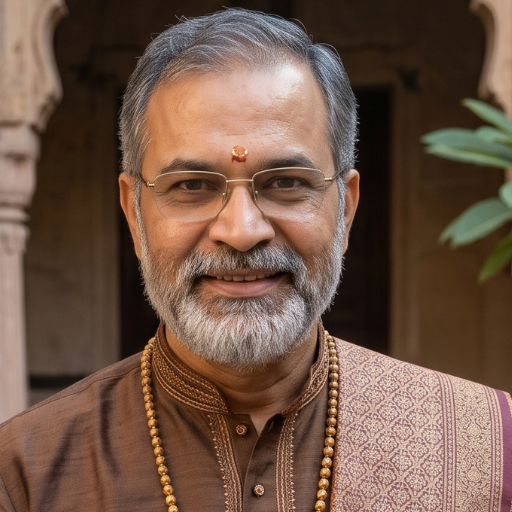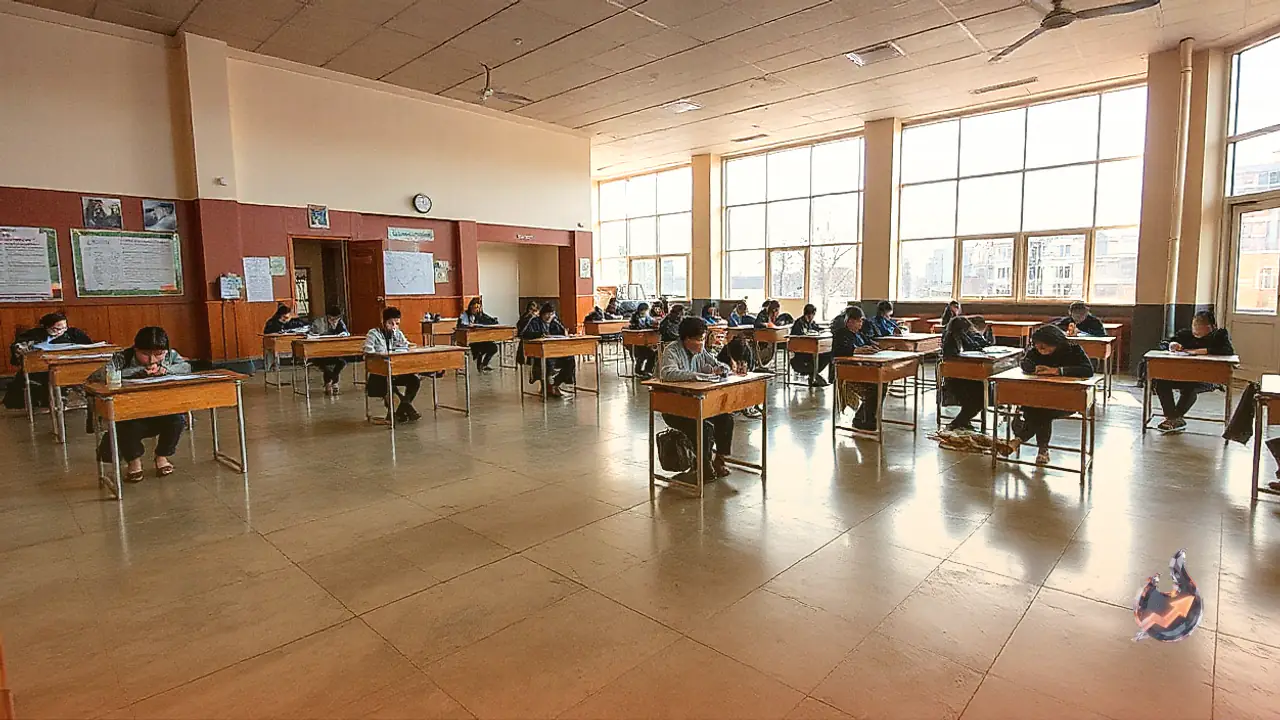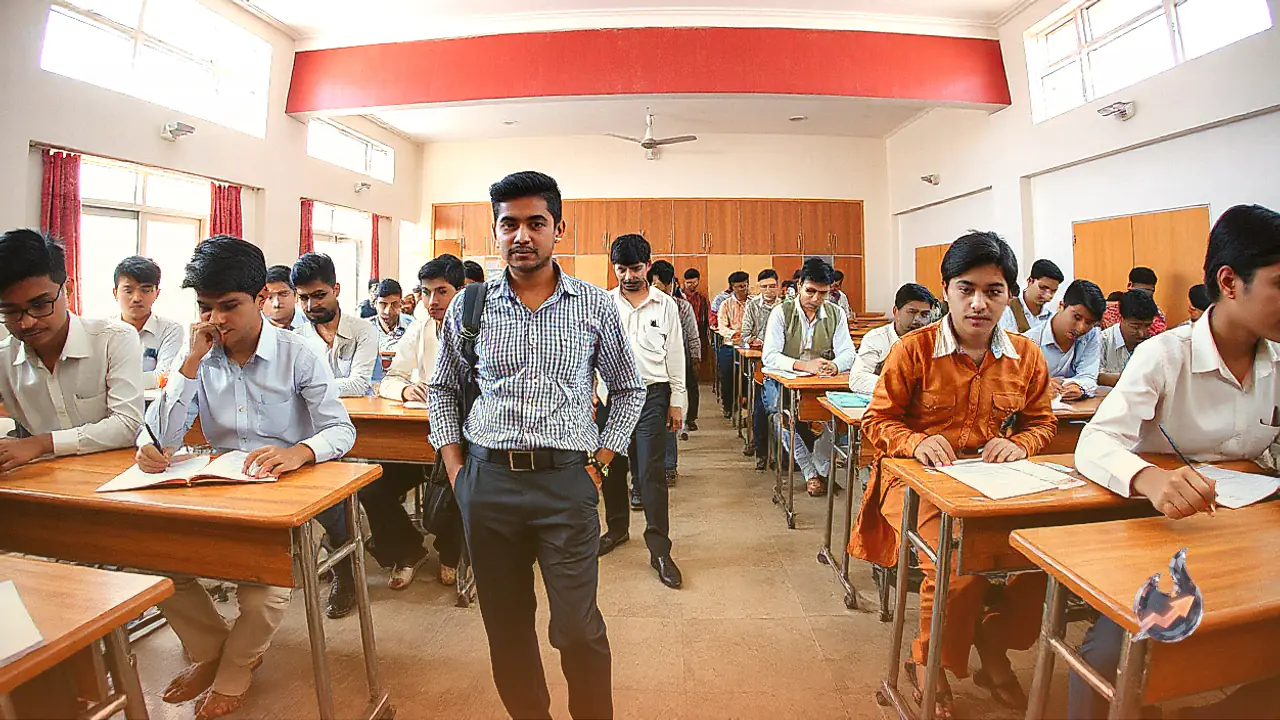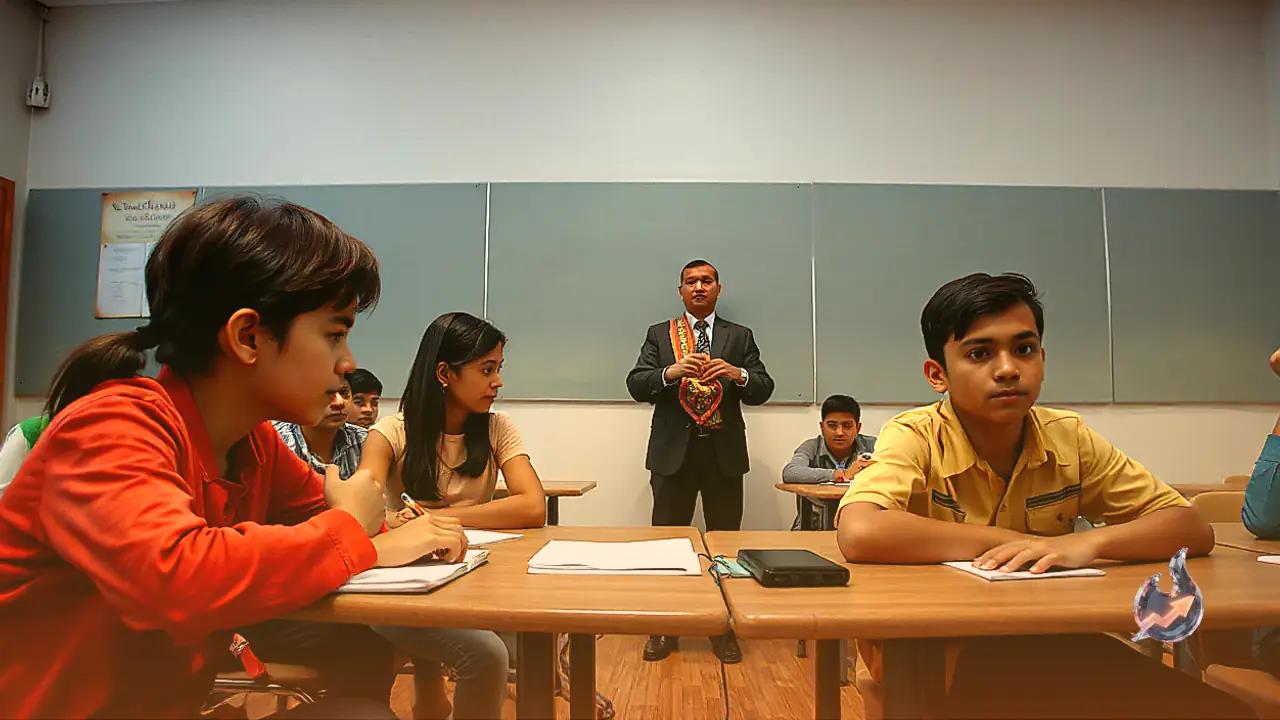

As board examinations approach in Ghazipur, students are increasingly grappling with intense psychological pressure, prompting expert intervention. Psychologist BD Mishra has clarified that the fear frequently observed among children during exam season is not a clinical phobia, but rather standard anxiety. He explained that while phobia represents a pathological behavioural condition, anxiety functions as a normal and natural human response, with the primary distinction lying in whether the reaction remains within natural boundaries.
Understanding Unnatural Anxiety and Its Triggers
According to Mishra, abnormal anxiety predominantly surfaces among students whose syllabus preparation remains incomplete. When youngsters face exams with inadequate preparation, visible symptoms begin to emerge, including severe distraction, a sharp drop in concentration levels, heightened irritability, and in extreme scenarios, their minds turning completely blank just twenty-four hours before the test. Such extreme stress can occasionally escalate into severe mental breakdown conditions if left unaddressed.
The Spectrum of Stress and Internal Conflict
The expert noted that anxiety generally manifests in three distinct forms, categorised as mild, moderate, and severe. While mild anxiety can actually assist students by keeping them alert, escalating anxiety leads directly to insomnia, restlessness, loss of focus, and psychological distress. Mishra termed this phenomenon an intra-psychic conflict, representing a silent struggle within the mind. When a student enters the examination cycle with only forty to fifty percent preparation while relentlessly chasing a ninety percent target, the resulting gap creates unbearable pressure that fuels extreme anxiety.
Practical Guidance for Students and Parents
Advocating a balanced approach, the psychologist advised students to set realistic goals that align strictly with their actual level of preparation. Chasing exceptionally high scores with a mediocre preparation baseline generates entirely avoidable mental strain. He emphasised that focusing on the preparation process holds far greater value than obsessing over the final outcome. Furthermore, Mishra cautioned parents against piling on extra pressure as exam dates draw closer, recommending instead that families acknowledge prior efforts, offer steady encouragement, and actively build the child's confidence to ensure optimal performance.