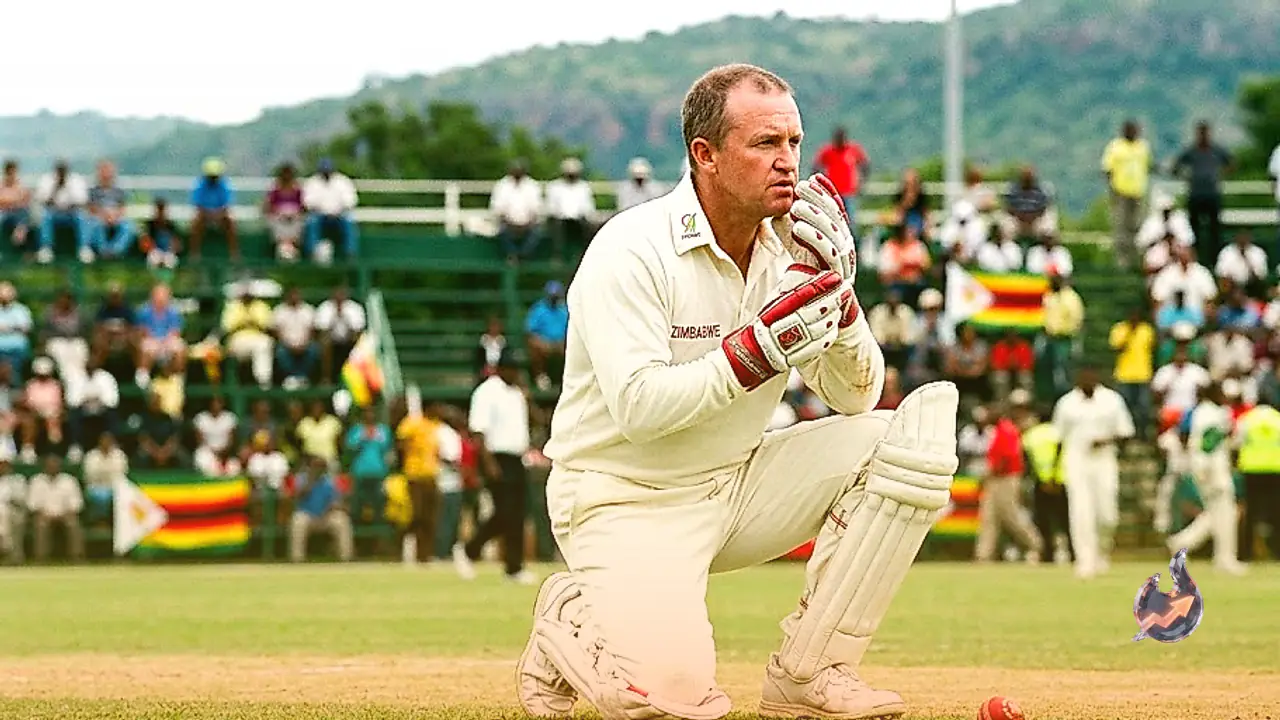























Cricket is a sport that punishes hesitation. A ball arriving at 150 kilometres an hour gives a batter barely half a second to react, and a packed, roaring stadium can rattle even the calmest nerves. On top of raw skill, the sport demands an almost unbreakable will, because the margin between a great career and a forgotten one is often measured in fractions of a second and inches of the bat. When fate strips an athlete of part of their physical ability, most people assume the career is over before it has really begun. Yet cricket's long history has thrown up a handful of players who refused to accept that verdict and instead turned their disability into their defining strength. Here are five such stories from the game's past that show what sheer resolve can achieve on the field, long before the era of high performance rehabilitation and modern sports science.
Captaincy with one eye: Mansoor Ali Khan Pataudi
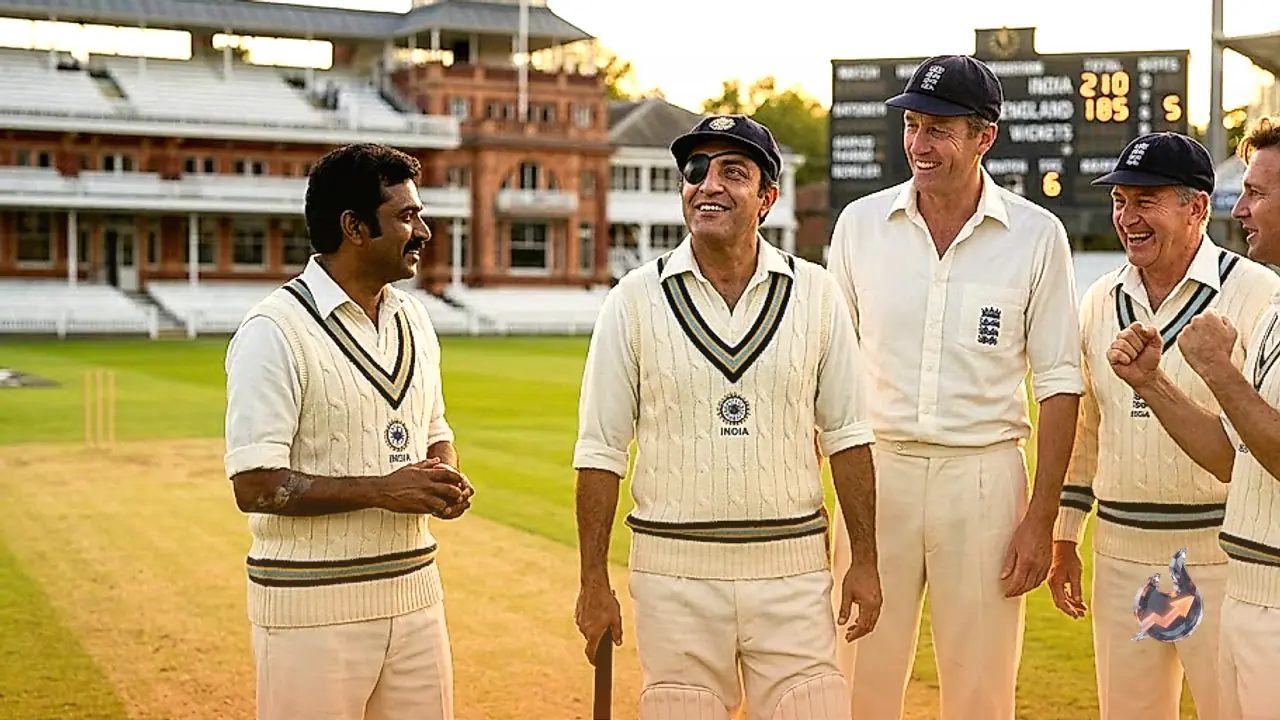
In 1961, a horrific car accident in England left a 20 year old cricketer blind in his right eye. Doctors told him he would never see properly again, let alone play cricket at the highest level, since batting against fast bowling depends heavily on depth perception and picking up the line of the ball early. That young man was Mansoor Ali Khan Pataudi, known to the world as Tiger Pataudi. He did not accept the diagnosis as the end of his career. Pataudi spent months training himself to judge the length of a delivery using only his left eye, essentially rebuilding the visual instincts a batter takes for granted. Every time he walked out to bat in the years that followed, he actually saw two images of the ball instead of one, but relentless practice taught him to filter out the false image and connect with the real one. Within months of the accident he was back in the Indian team, and at the age of just 21 he became the youngest captain in Indian cricket history, taking charge of a senior dressing room while still relearning how to see the game. His courage as a leader paid off in 1968, when India, under his captaincy, won its first ever Test series on foreign soil in New Zealand, a landmark achievement that is still remembered as one of the defining moments of his career.
The polio affected hand that troubled the world's best batters
Bhagwath Chandrasekhar contracted polio as a child, and the disease left his right hand, his bowling hand, weak and partially paralysed. For most people this would have ended any hope of a sporting career, especially in a sport as reliant on physical control and repeatable action as cricket. Chandrasekhar instead turned that very weakness into one of the most dangerous weapons in world cricket. He used his thin, polio affected right arm to bowl leg spin, and the unusual, almost whip like flexibility of that arm let him extract a bounce and a pace off the pitch that batters simply could not predict. Opponents facing him never knew whether the next ball would spin sharply, skid through fast and flat, or bounce awkwardly off a length, because the very deformity that weakened his arm also freed it from the restrictions of a conventional bowling action. Chandrasekhar played 58 Test matches for India and picked up 242 wickets, repeatedly troubling the best batting line ups of his era on pitches around the world. His career stands as proof that when the will is strong enough, a physical weakness diagnosed in childhood can become a cricketer's single biggest asset as an adult.
Greatness written with an arm two inches shorter
Cricket coaching places enormous emphasis on technique and balance between both hands, which is exactly what makes the story of England's Sir Len Hutton so remarkable. During military training in the Second World War, Hutton suffered a serious injury that required surgery on his arm. The operation left his left arm roughly two inches shorter than his right, a permanent physical mismatch for a batter whose entire technique depends on both hands working in sync on the bat handle. For a batter, an injury like that could easily have ended a career before it had truly taken off. Hutton refused to give up. He reworked his batting technique from the ground up, adjusted his grip to compensate for the shorter arm, and returned to competitive cricket despite the odds. He went on to play 79 Test matches for England, scoring 6,971 runs including 19 centuries, numbers that place him among the finest opening batters the sport has produced. His story is a reminder that a batter's stature on the field is measured not by the length of the arms, but by the height of one's ambition and the willingness to relearn a skill from scratch.
Missing three toes, yet piling up records
At just 13 years of age, a painful forklift accident cost New Zealand's Martin Guptill three toes on his left foot. Few people at the time would have imagined that this boy would ever be able to run properly again, let alone play professional cricket, a sport that demands sharp acceleration between the wickets and quick footwork at the crease. But while Guptill's foot was missing toes, his ambitions were missing nothing. He started wearing specially designed footwear built to compensate for the lost balance and push off power, and returned to the field determined to compete at the top level. He went on to become not just one of New Zealand's most explosive opening batters, but also one of the finest fielders in the world game, someone whose athleticism in the deep and at backward point routinely drew praise. Guptill, who once played a historic innings of 237 runs in one day international cricket, represented New Zealand in international cricket for years across formats. Even today, watching him bat in T20 leagues around the world, it is impossible to tell from his footwork and running between the wickets that this player is missing three toes on one foot.
Leading England through the grip of a brain disorder
Fighting physical injuries is one challenge, but fighting a condition that attacks the brain directly is a far more frightening battle, because it strikes without warning and cannot be managed through technique alone. England's former captain Tony Greig suffered from epilepsy. He often experienced severe seizures that left his body completely out of his control, a condition that could have forced any player into early retirement out of sheer safety concerns. Even under the shadow of this neurological condition, Tony Greig refused to back down. He kept walking out onto the field, kept scoring runs with the bat, and kept taking wickets with the ball, treating each match as it came rather than letting the diagnosis define his career. He played 58 Test matches for England and also led the side as captain, carrying the additional pressure of on field decision making alongside his own health battle. His Test career record includes 8 centuries and 141 wickets, an outstanding all round return by any standard of the era. He later went on to become one of the most popular commentators in the sport, carrying his understanding of the game into the broadcast box for years after he retired from playing.