















Discussions in Indian cricket predominantly revolve around marquee superstars who enjoy extended tenures at the pinnacle of the sport and dominate headlines. However, cricket history also holds the narratives of remarkably gifted individuals who delivered sensational performances right at their debut, only to slip into obscurity shortly after. Back in the early 1990s, Bihar's 22-year-old medium-pacer Subroto Banerjee experienced this very fate, leaving the world's finest batsmen startled in his very first appearance.
A Dramatic Entrance on the Sydney Turf
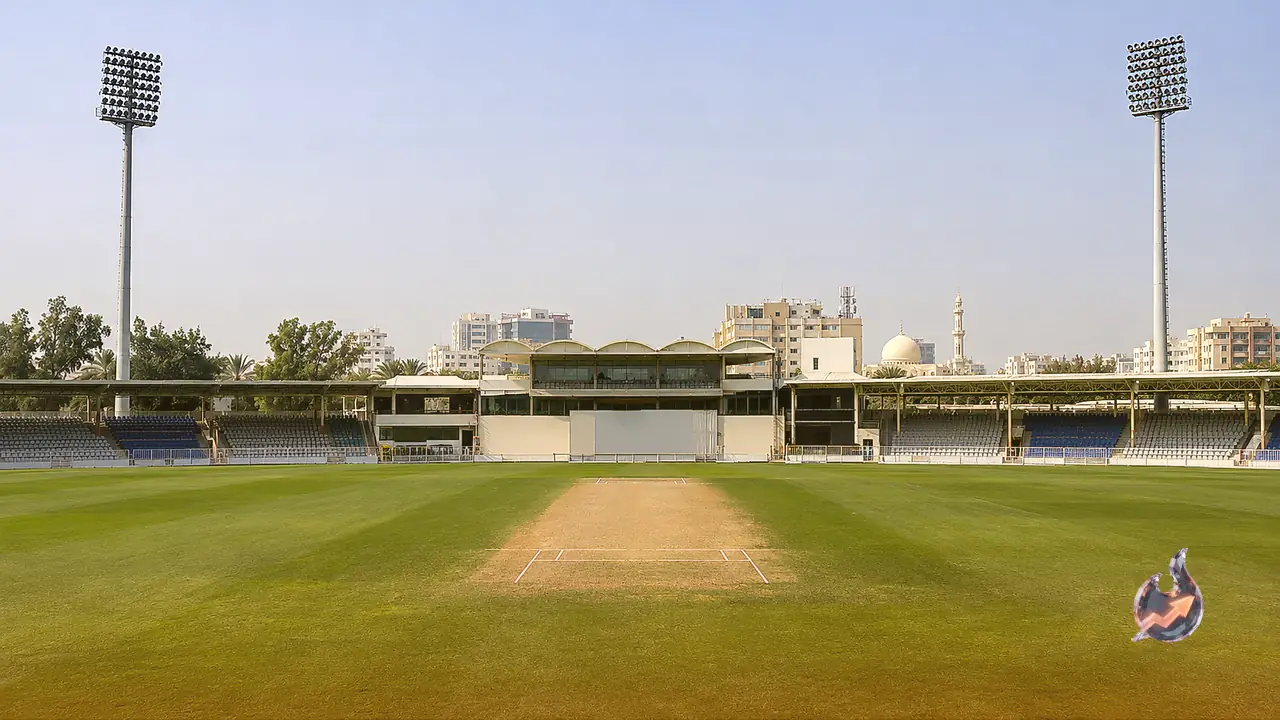
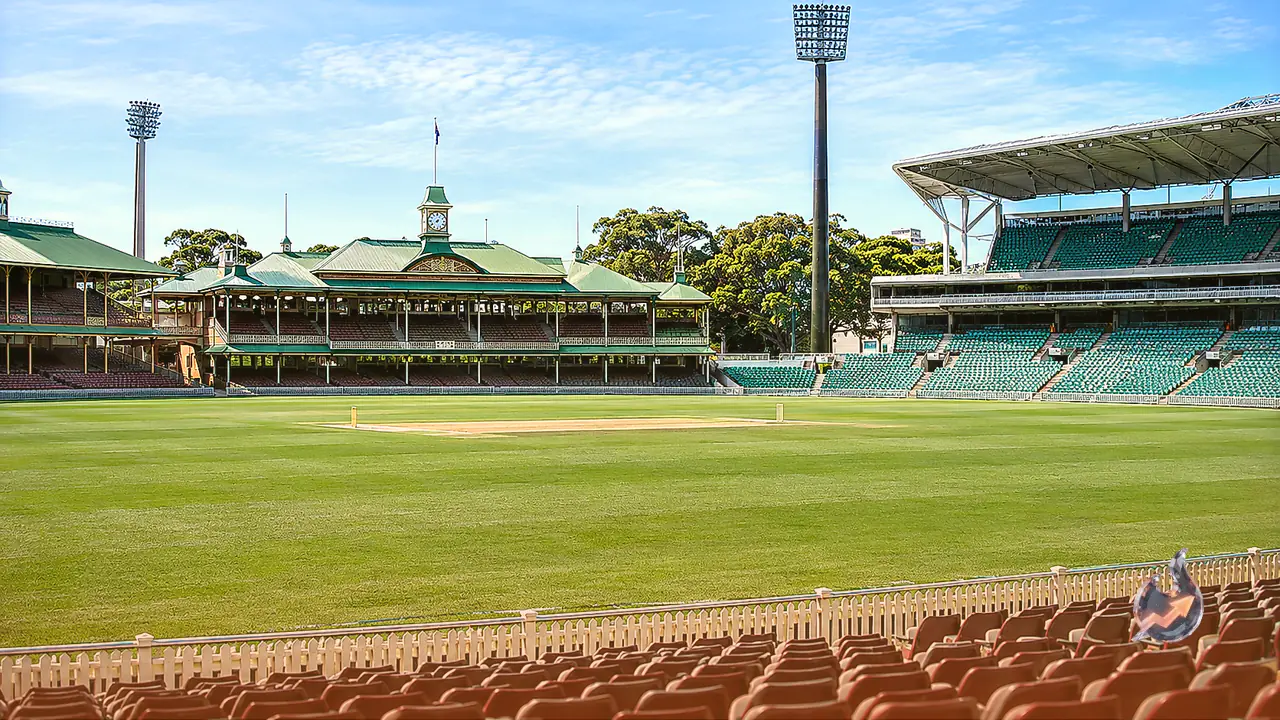
In January 1992, a memorable Test match took place between India and Australia at the Sydney Cricket Ground. For this encounter, Indian team management opted for an unconventional approach by fielding four seamers without a single specialist spinner in the playing eleven. Notably, that match marked the international Test debut of legendary Australian leg-spinner Shane Warne, while India handed a Test cap to young Subroto Banerjee to share the attack alongside Kapil Dev.
Relying on classical outswing and seam movement, Banerjee unsettled Australia's formidable top order in the first innings. He castled Geoff Marsh, had Mark Taylor caught in the slips, and sent Mark Waugh packing back to the dressing room. He concluded that spell with impressive figures of 3 wickets for 47 runs in 18 overs. Across the entire Australian tour, Banerjee boasted the best bowling average among the Indian bowling contingent, delivering when it mattered most.
Bowling Craftsmanship and Domestic Realities
Subroto Banerjee was never an express fast bowler operating at 145 km/h. Instead, his effectiveness stemmed from unwavering discipline, immaculate line and length, the ability to swing the ball both ways, and subtle movement off the pitch. He possessed the fine skill of landing the ball on testing spots to deceive batsmen off the deck, reminiscent of the traits displayed by senior peers Kapil Dev and Manoj Prabhakar during that era.
Despite his commanding debut, Sydney turned out to be both the beginning and the end of his Test career. Upon returning to India, the team reverted to its customary home conditions formula, which relied on one or two frontline seamers complemented by a spin trio. With Kapil Dev and Manoj Prabhakar firmly entrenched, Javagal Srinath emerging with raw pace, and seamers like Atul Wassan and Chetan Sharma waiting in the wings, competition was fierce. During the 1990s, players rarely enjoyed extended backing, and selection priorities shifted rapidly from one foreign tour to the next.
Limited-Overs Stint and the Final Exit
Banerjee's one-day international career followed an equally brief trajectory. Between 1991 and 1992, he featured in just 6 ODIs for India. Although he was selected in the squad for the 1992 World Cup, he was given an opportunity in only 2 matches. Because he lacked sheer pace, the team preferred bowlers like Javagal Srinath for velocity and Manoj Prabhakar for death-overs variations to choke the scoring in the closing stages. Following India's disappointing showing in the 1992 World Cup, team restructuring took place, and Banerjee found himself sidelined.
His World Cup 1992 appearance against South Africa turned out to be his final match for India in international cricket. It remains a striking case where a player delivered an exceptional debut without significant failure, yet never returned to the national squad. Nevertheless, Banerjee remained dedicated to the sport, transitioning into an accomplished cricket coach and eventually serving as a national selector for the Indian men's cricket team.