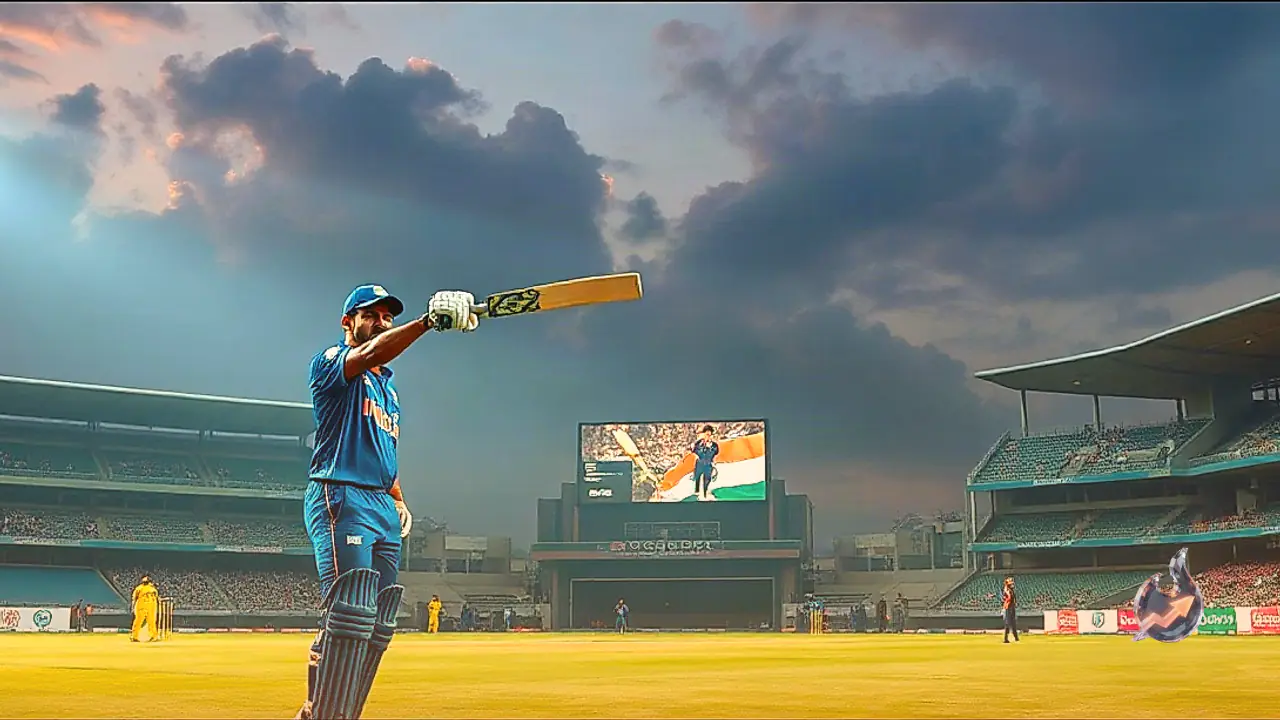

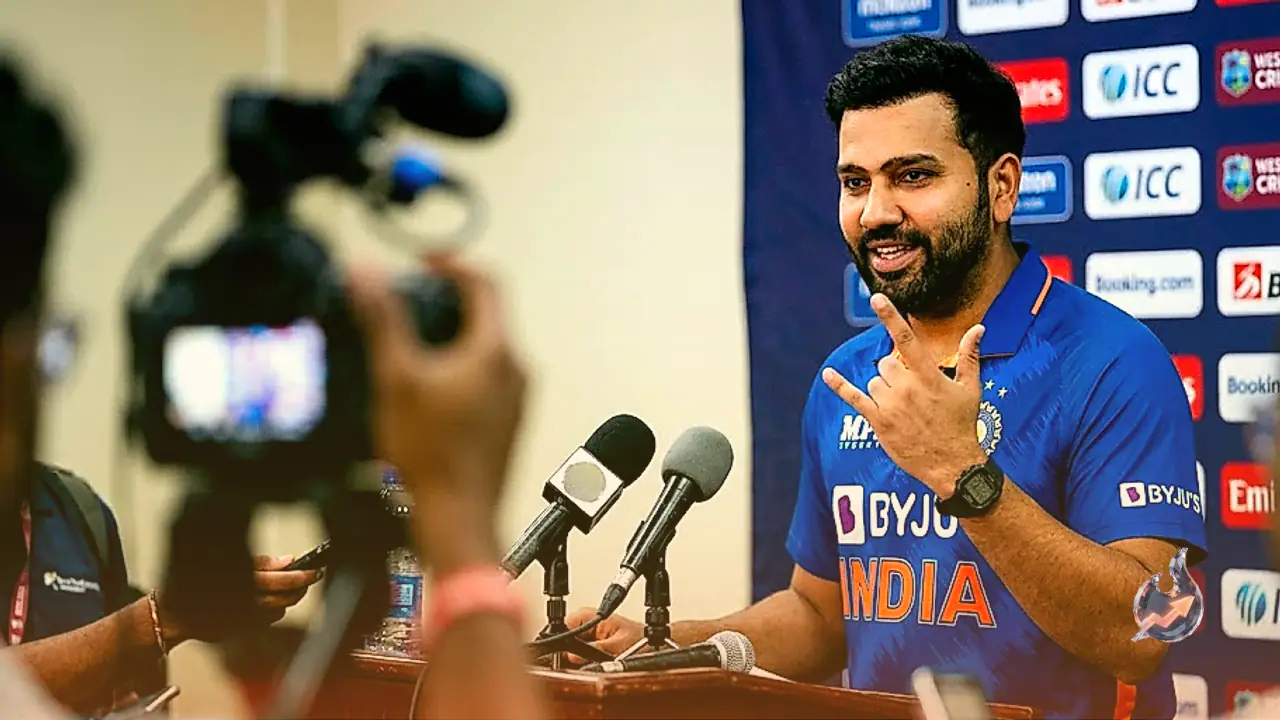




















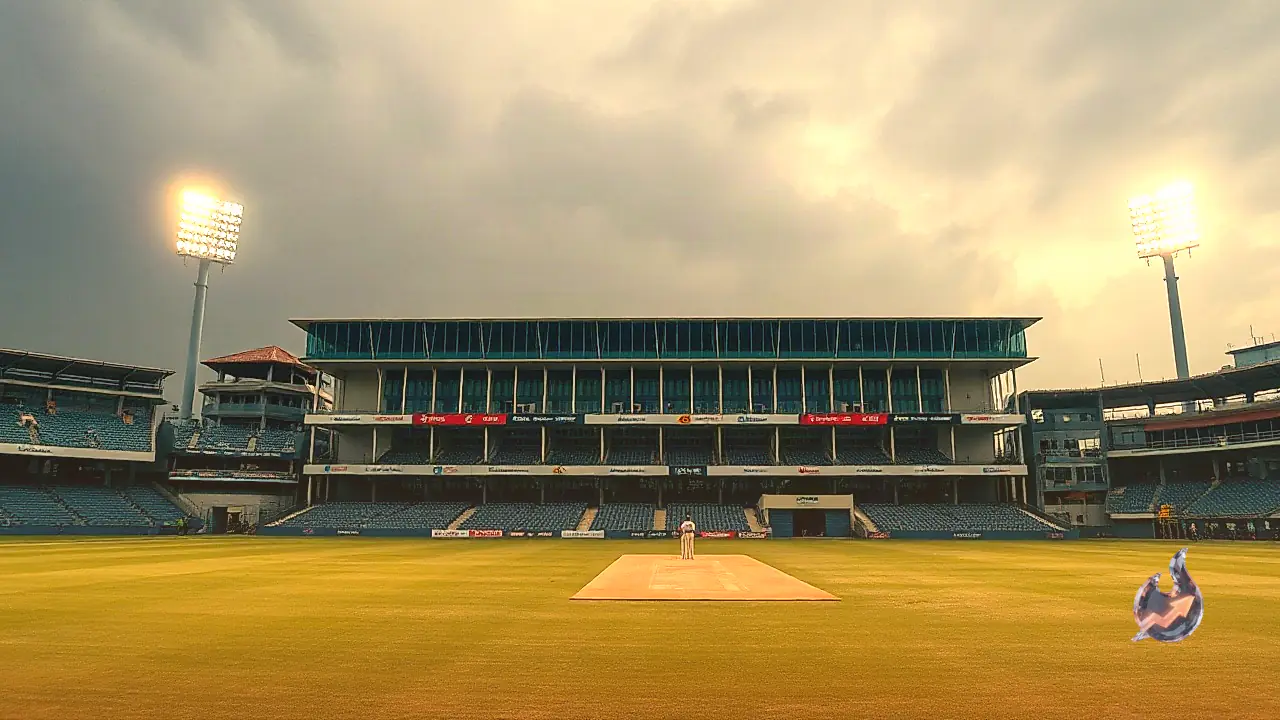

The second clash of the three-match ODI series between India and West Indies is scheduled for September 30 at Barsapara Cricket Stadium in Guwahati. The Indian team established complete dominance in the opening fixture, clinching a comprehensive eight-wicket victory. Under the captaincy of Shubman Gill, the squad now enters the contest aiming to secure an unassailable series lead. However, tactical plans may share the spotlight with atmospheric conditions, as weather forecasts indicate potential interruptions throughout the fixture.
Midday Heat and Afternoon Storm Warnings
Conditions in Guwahati are anticipated to feature extreme heat and humidity during the day, with maximum temperatures likely fluctuating between 30 and 35 degrees Celsius. Alongside the heat, convective weather activity presents a direct threat to match proceedings. The contest is slated to commence at 2:00 PM Indian Standard Time, preceded by the official toss at 1:30 PM. At the time of the toss, rain probability stands at 49 percent, rising further to 68 percent around 2:00 PM when the first ball is scheduled to be bowled. Strong thunderstorms are projected to hit the venue during this initial phase.
Anticipated Clearing After 6 PM
Rain probabilities remain particularly elevated from early afternoon until roughly 5:00 PM, keeping ground staff on high alert. Atmospheric clearance is anticipated starting around 6:00 PM, when the precipitation likelihood is expected to dip beneath the 50 percent threshold. By 7:00 PM, the probability of rainfall drops to approximately 20 percent, opening up a promising window for uninterrupted play in the evening hours.
Impact on Toss Tactics and Duckworth-Lewis Calculations
Because of potential weather stoppages, winning the toss offers a distinct tactical advantage. The captain calling correctly is widely expected to elect to bowl first. In the event that showers cause delays and force a reduction in overs, the Duckworth-Lewis method will come into effect. Chasing teams usually benefit from knowing the exact revised target and over constraints, enabling structured pacing during the second innings. Consequently, environmental factors in Guwahati could dictate strategic choices right from the coin toss.