























The 1990s witnessed a transformative phase for spin bowling in Indian cricket. Following the exit of Maninder Singh, there was a pressing need for a bowler who could complement the aggression of Anil Kumble and the precision of Rajesh Chauhan. Out of this search emerged a lean, calm, yet highly strategic left-arm spinner from Hyderabad named Venkatapathy Raju. Today is the birthday of this magical spinner who forced some of the world's finest batsmen to struggle against his flight and turn.
The Story of 'Muscles' and Flight
Physically, Venkatapathy Raju did not resemble a traditional fast bowler or a robust athlete. His lean build led the fierce South African all-rounder Brian McMillan to jokingly nickname him 'Muscles.' Despite this ironic moniker, Raju possessed immense strength in his fingers and wrists, capable of troubling the greatest players of his era. His primary weapon was the flight he gave to the ball. He never hesitated to tempt the batsman by letting the ball hang in the air, a daring approach that occasionally cost him runs but ensured he remained a consistent wicket-taking threat.
A Memorable Debut as Nightwatchman
Venkatapathy Raju began his international career during the 1990 tour of New Zealand in a Test match at Christchurch. Intriguingly, he made headlines with his batting before his bowling, having been sent in as a nightwatchman in the first innings. Raju held his ground firmly for nearly two hours, scoring a resilient 31 runs. While established senior batsmen fell at the other end, Raju remained solid. This 31-run knock turned out to be the highest score of his entire 28-Test career, during which he accumulated a total of 240 runs at an average of 10.
The 39-Ball Spell That Decimated Sri Lanka
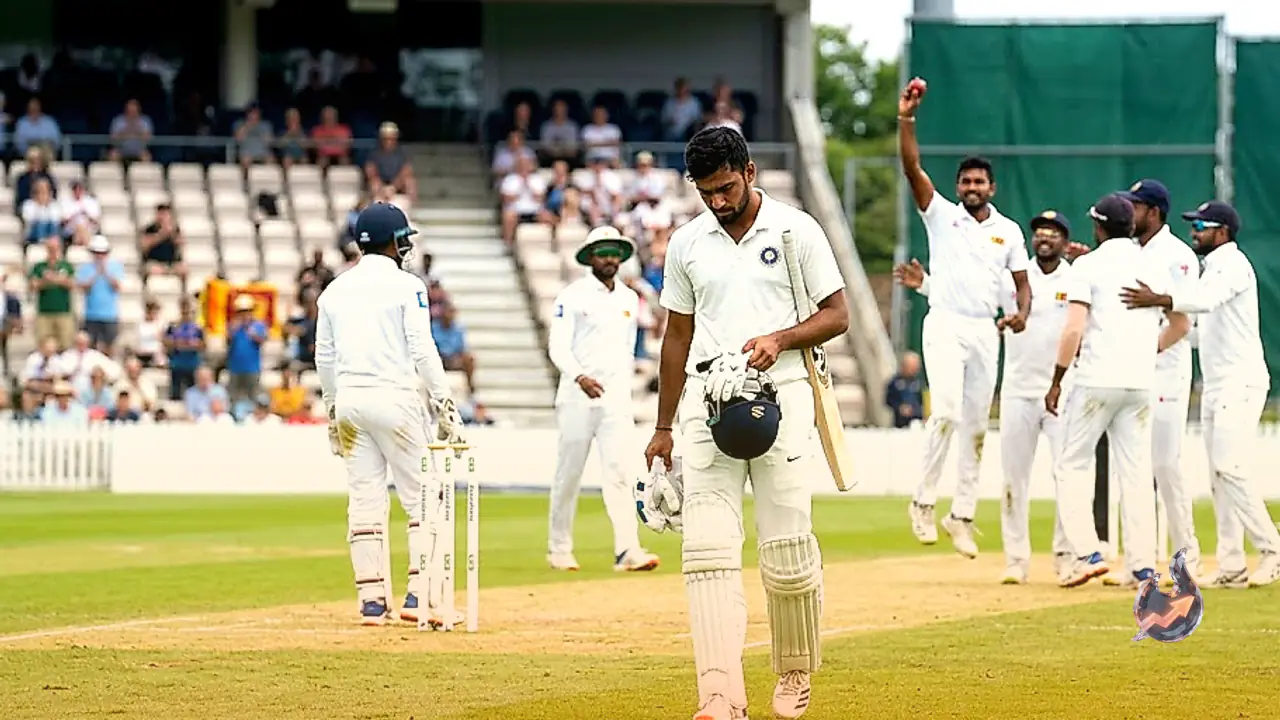
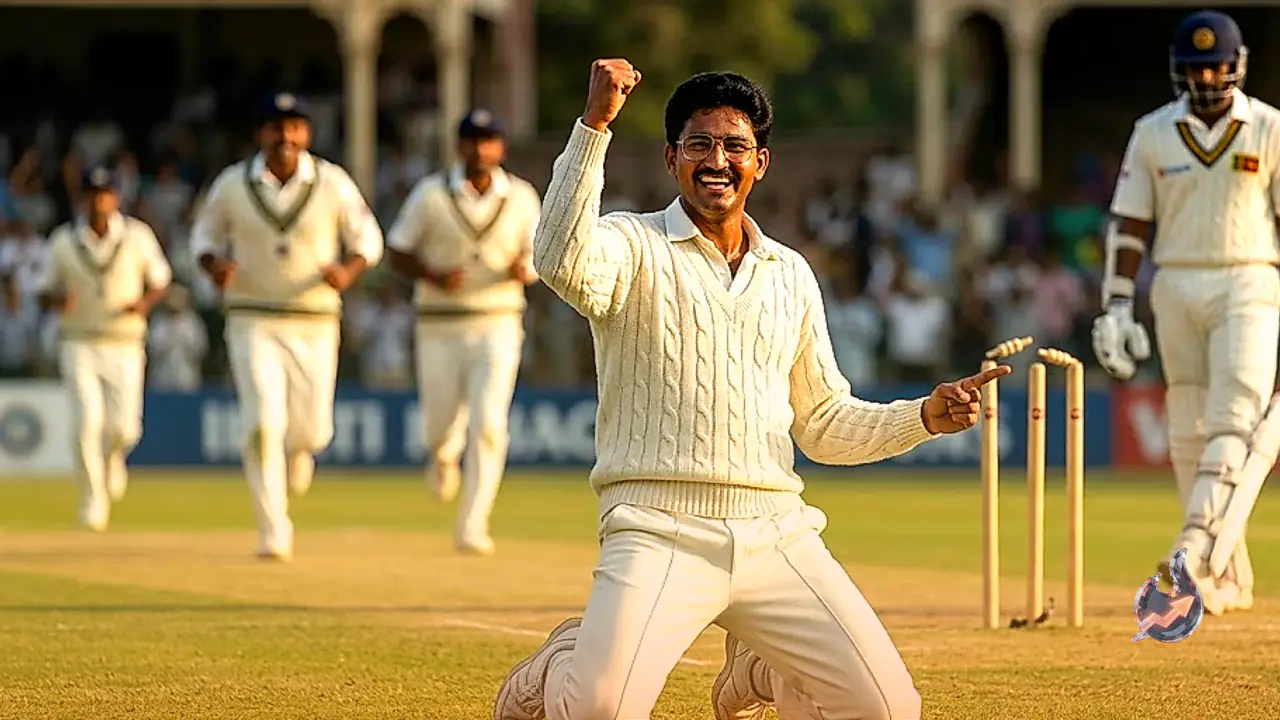
The defining moment of Raju's career occurred during the 1990 Test against Sri Lanka in Chandigarh. In only his third Test, he mesmerized the Sri Lankan batsmen with his spin. Bowling 17.5 overs in the first innings—13 of which were maidens—he conceded a mere 12 runs while taking 6 wickets. Perhaps the most extraordinary statistic was his spell where he dismissed 5 Sri Lankan batsmen for just 2 runs in a span of only 39 balls. Icons like Aravinda de Silva and Arjuna Ranatunga were clean bowled during this collapse, as the entire Sri Lankan side was bundled out for just 82. India won the match by an innings and 8 runs, and Raju earned the only 'Man of the Match' award of his career.
Domestic Dominance and Legacy
Raju's career statistics reveal a stark contrast between his performance on home and away soil. He was incredibly dangerous on Indian pitches, claiming 71 wickets in 16 home Tests, compared to just 22 wickets in 12 away Tests. This inconsistency often left him in and out of the national side. However, he showcased his vintage form during the 1994-95 home series against the West Indies, taking 20 wickets in 3 Tests. He was also a giant in domestic cricket, finishing with 589 wickets. In the 1999-2000 Ranji season, he took 52 wickets to help Hyderabad reach the final.
Venkatapathy Raju concluded his career with 93 wickets in 28 Tests and 63 wickets in 53 ODIs, representing India in the 1992 and 1996 World Cups. His final international appearance came in the historic 2001 Kolkata Test against Australia, where he picked up the wicket of Mark Waugh. Even after retiring from professional cricket in December 2004, he remained involved in the sport, contributing as a coach and a national selector.