























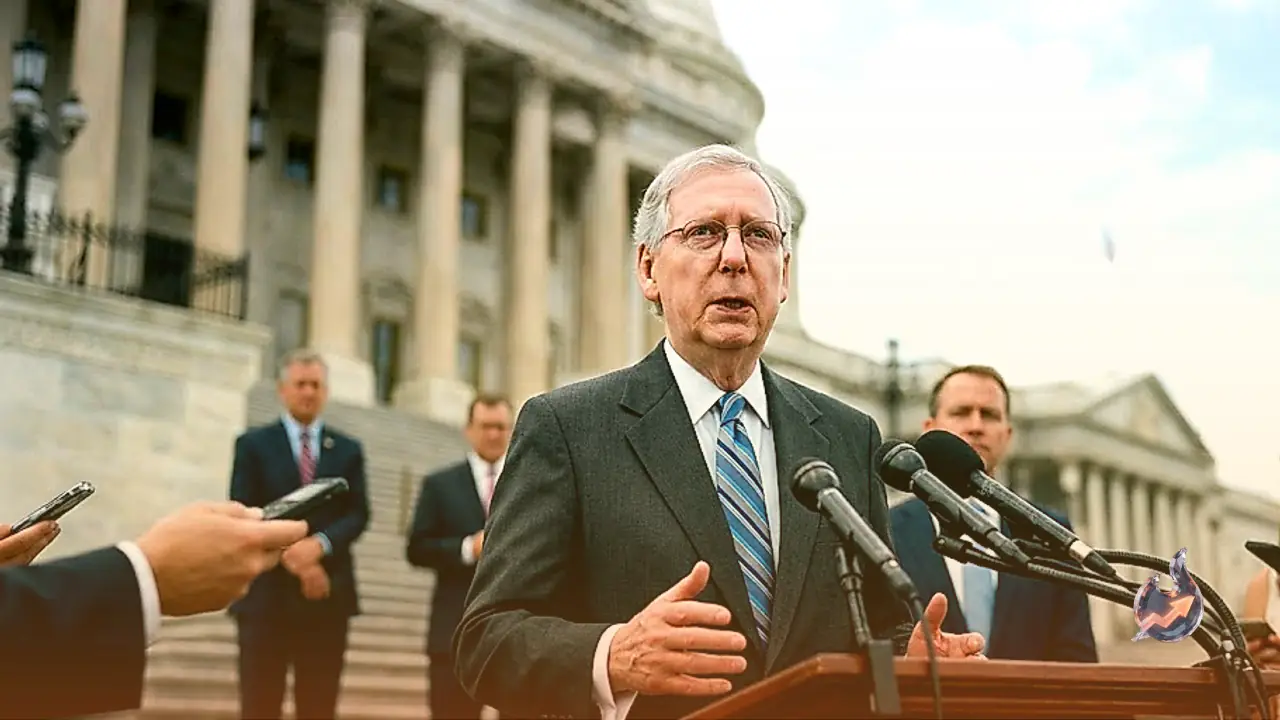

Senate Republicans are working to advance procedural steps on the CLARITY Act as lawmakers face a tight deadline to initiate floor proceedings prior to the August recess. With Senators slated to depart Washington on August 7 for their scheduled break, Republican leaders have a very narrow timeframe to muster the required votes to move the digital asset legislation forward.
Procedural Requirements and Voting Hurdles
To overcome procedural hurdles, a successful cloture motion demands a threshold of 60 votes in the Senate. Achieving cloture can clear the path for up to 30 hours of floor debate before the legislative body turns its full attention to considering the bill itself. However, Terrett pointed out that the current iteration of the bill lacks adequate support to clear the necessary 60-vote mark.
Examining the floor process, Kelley noted that even if Senate consideration begins immediately, the sequence will require multiple cloture votes, an extensive amendment process, and potentially up to 30 hours of debate. She emphasized that completing action on the bill before lawmakers leave Washington will be exceedingly difficult unless there is unanimous consent to waive specific procedural steps.
Lawmaker Dynamics and Bipartisan Discussions
To bridge divisions and secure broader support across party lines, Senator Thom Tillis (R-NC) has been heading bipartisan discussions aimed at addressing lingering concerns. Nonetheless, Republican leadership faces potential resistance from Senators Josh Hawley (R-MO) and Rand Paul (R-KY), both of whom could present additional hurdles in assembling the needed votes.
The current momentum follows the release of a revised draft of the CLARITY Act last week, which emerged after extensive deliberations between the White House and Republican Senators Cynthia Lummis and Bernie Moreno.
New Ethics Restrictions on Digital Assets
Among the most substantial revisions in the updated text is a dedicated ethics section that places explicit restrictions on digital asset dealings by covered individuals. Under the definition set forth in the bill, covered individuals comprise public officials, government employees, and their spouses.
The newly proposed regulations prohibit covered individuals from issuing or sponsoring any digital asset in exchange for compensation while serving in public office. Furthermore, any digital asset created or sponsored in violation of these ethical standards would be legally barred from listing on any digital asset intermediary platform.
Industry Endorsements and September Outlook
The latest version of the bill has earned an endorsement from the National Fraternal Order of Police, which stated that the updated language successfully resolves previous concerns related to provisions in the Blockchain Regulatory Certainty Act. Additionally, key industry organizations including the Digital Chamber, the Blockchain Association, and the Crypto Council for Innovation continue to urge Senate leaders to bring the measure to the floor as efforts persist to solidify bipartisan backing.
Looking ahead, Kelley argued that missing the pre-recess deadline does not mean the legislation is dead for the year. Instead, she noted that the August recess could offer lawmakers and key stakeholders valuable time to review the text, enabling Senate staff to keep refining the details toward a broader agreement prior to September.