






















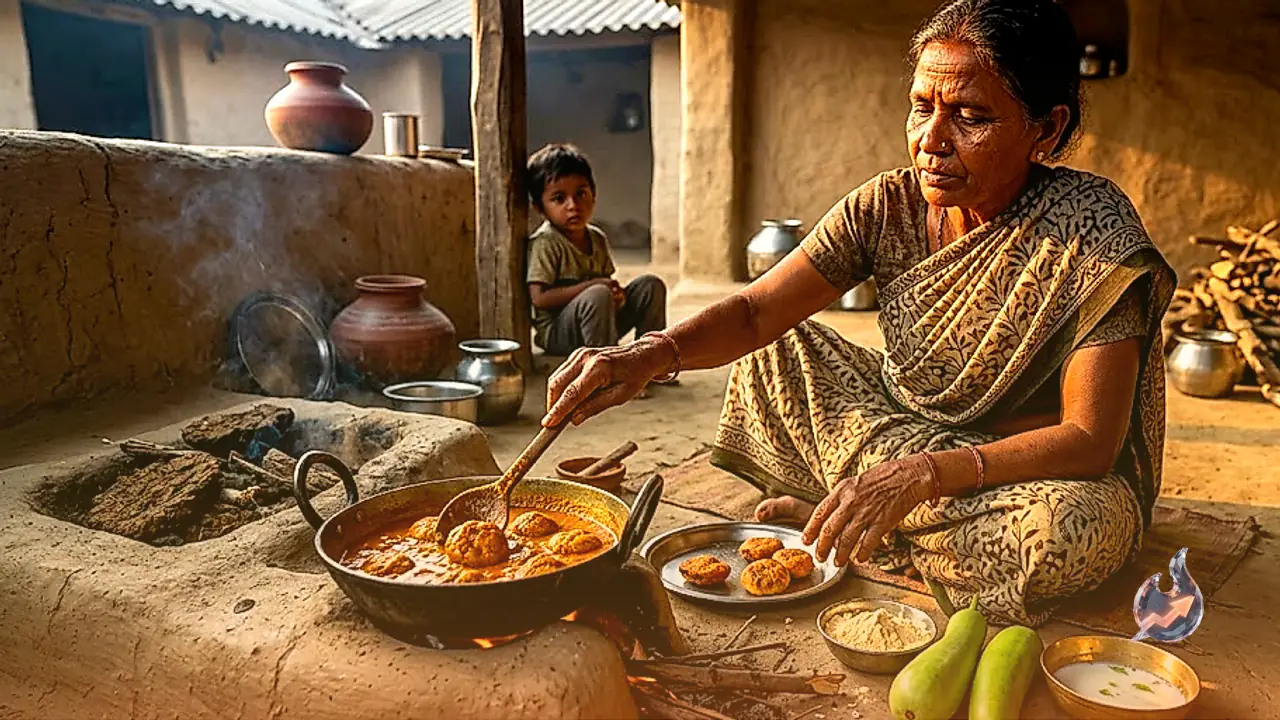

In the quiet villages of Dholpur, the deep-rooted culinary heritage of Rajasthan continues to thrive through simple, home-cooked delicacies. Among these, the traditional preparation of bottle gourd kofta stands out as a beloved household staple. Combining fresh bottle gourd, gram flour, and a splash of sour buttermilk, this nutritious dish bridges the gap between wholesome health and rich, traditional flavors. It is a comforting meal that pairs beautifully with freshly puffed rotis, buttery parathas, or the rustic, thick flatbreads of pearl millet known locally as bajre ki roti, making it a favorite across generations from toddlers to the elderly.
Crafting the Perfect Kofta Dumplings
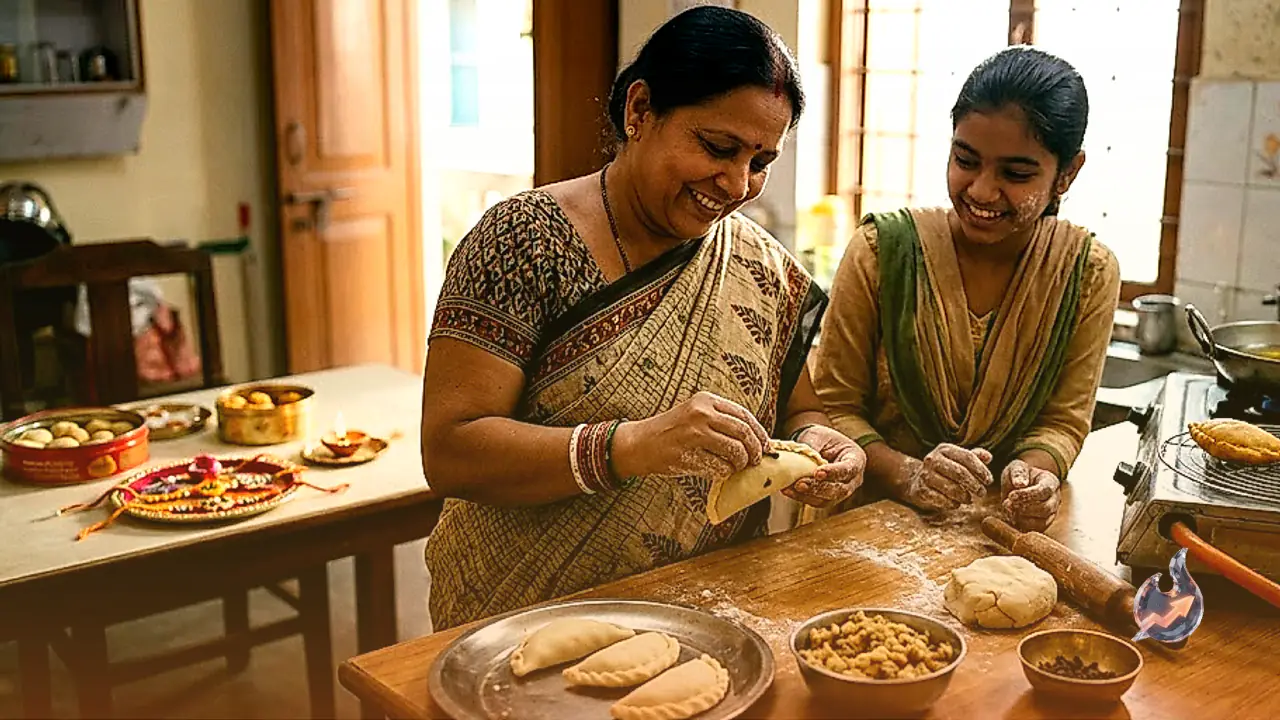
Rekha Sharma, a local housewife, shares the step-by-step method that has been passed down through families. The process begins with selecting a tender, fresh bottle gourd. After peeling it thoroughly, the vegetable is grated to a fine consistency. Gram flour, locally known as besan, is then incorporated into the grated gourd to act as a binding agent. To infuse flavor into the base, essential dry spices are added, including salt according to taste, a pinch of cumin seeds, red chili powder, turmeric, and coriander powder. All these ingredients are thoroughly mixed together until they form a thick, cohesive mixture, which is then shaped by hand into small, round dumplings.
Golden Frying and Preparing the Aromatic Gravy
The next stage involves frying these handmade dumplings to perfection. A traditional pan is placed on the stove, and mustard oil is poured in and heated until hot. The prepared kofta balls are carefully dropped into the hot oil and fried until they turn a beautiful, crispy golden-brown. Once they are thoroughly cooked inside and crunchy on the outside, they are gently scooped out and set aside on a plate. The attention then shifts to creating the signature rich gravy. A fresh paste is prepared by grinding onions, ripe tomatoes, garlic cloves, and green chilies together. In the same pan, a small amount of mustard oil is heated, and cumin seeds are spluttered. The freshly ground aromatic paste is added next and sautéed slowly until the raw smell vanishes. Spices such as red chili powder, turmeric, coriander powder, and salt are thrown in, allowing the masala to cook and release its natural oils.
The Tangy Buttermilk Twist and Final Simmer
What truly elevates this regional recipe is the addition of dairy. Once the spice mixture is fully cooked and aromatic, approximately two spoonfuls of fresh buttermilk are stirred into the pan. During this crucial step, the gravy must be stirred continuously without pause to prevent the buttermilk from curdling or separating. Once the mixture comes to a gentle boil, water is poured in to adjust the consistency of the gravy. The fried golden koftas are then submerged into this bubbling, tangy liquid. The vessel is covered with a lid, allowing the dish to simmer gently over a medium flame for about five to seven minutes. This slow cooking allows the dumplings to absorb the spiced gravy, rendering them incredibly soft and flavorful.
A Timeless Village Classic
Within minutes, the steaming hot and delicious bottle gourd kofta curry is ready to be served. The unique combination of sour buttermilk and rustic Indian spices creates a distinct, tangy flavor profile that sets this dish apart from urban variations. In the rural landscapes of Dholpur, this classic recipe remains a top preference for family gatherings and daily meals alike. Blending high nutritional value with an unmatched taste, this seasonal delicacy enhances the joy of communal dining, proving that traditional village recipes hold an eternal charm.