






















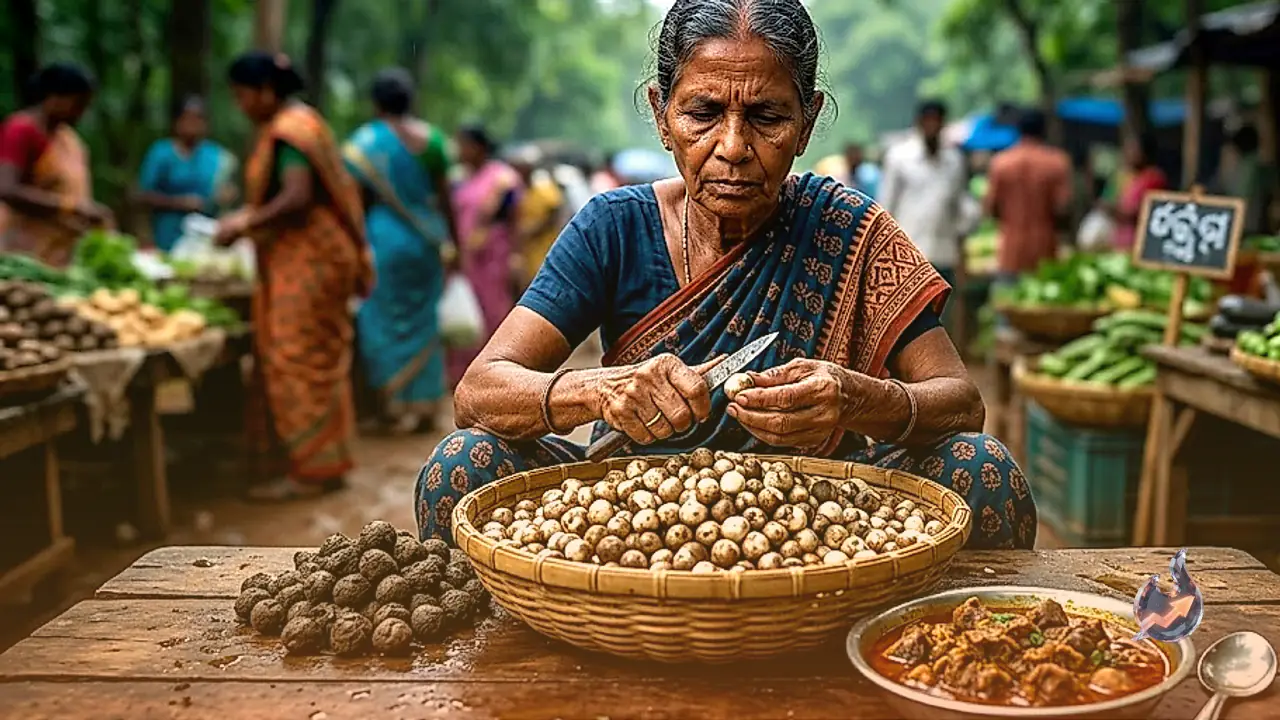

The arrival of the monsoon season in India brings with it a variety of natural culinary treasures. Among these, one of the most unique and rare vegetables is known as Katrua. Found primarily in the dense forests of the Rohilkhand region in Uttar Pradesh, including districts like Pilibhit, Lakhimpur Kheri, and Bareilly, this seasonal vegetable is a perfect blend of taste and health. For those who enjoy non-vegetarian food, the flavor and texture of Katrua are so exceptional that they often overshadow premium chicken and mutton dishes. Consequently, it is frequently referred to as 'vegetarian meat' among those who prefer a plant-based diet.
The Origin and Rarity of Katrua
Katrua is not a standard cultivated vegetable; it is actually a type of wild natural fungus or mushroom that develops entirely beneath the soil. It cannot be grown through traditional farming methods. Typically, during the rainy season, specifically when atmospheric conditions involve thunder and lightning, this fungus begins to grow naturally underground, nestled beneath the roots of Sal trees.
Market Availability and Pricing
The availability of this delicacy is confined to just one or two months a year, coinciding with the onset of the monsoon. Due to its scarcity and the high demand from food enthusiasts, its market price often fluctuates between ₹800 and ₹1,500 per kilogram. Despite these premium costs, there is a significant rush among consumers to purchase it, leading to a quick sell-out as soon as it hits the local markets.
A Powerhouse of Nutrition
Beyond its incredible aroma and taste, Katrua is a powerhouse of essential nutrients. Unlike heavy, fat-rich meats like chicken or mutton, this wild fungus provides the body with strength without any negative side effects. It contains high-quality protein, which is vital for muscle growth and physical repair. It is characterized by low calorie count and is virtually zero-fat, making it a perfectly safe choice for cardiovascular health. Furthermore, it is packed with antioxidants and essential vitamins, which help boost immunity during the rainy season, protecting the body against common monsoon infections. Its high fiber content also makes it easy to digest and excellent for maintaining overall gut health.
Preparation Methods and Culinary Experience
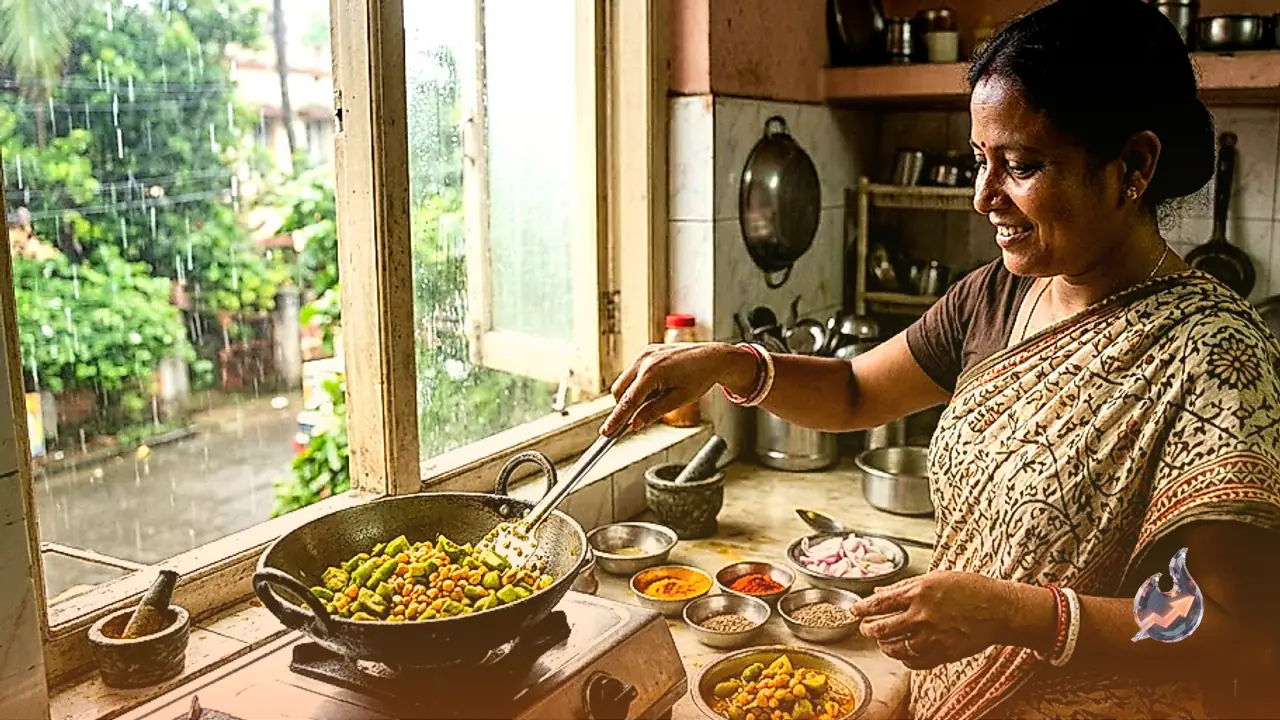
The preparation process for Katrua is strikingly similar to that of mutton. Before cooking, it requires thorough cleaning; its dark, outer layer must be scrubbed carefully with water to remove the soil it collects from its underground environment. Once cleaned, it is sliced into smaller pieces and simmered on a low flame. The dish is prepared by sautéing it with onions, ginger, garlic, and an assortment of aromatic whole spices. After cooking, the flavor of the gravy and the texture of the Katrua pieces are remarkably similar to traditional meat-based curries.