






















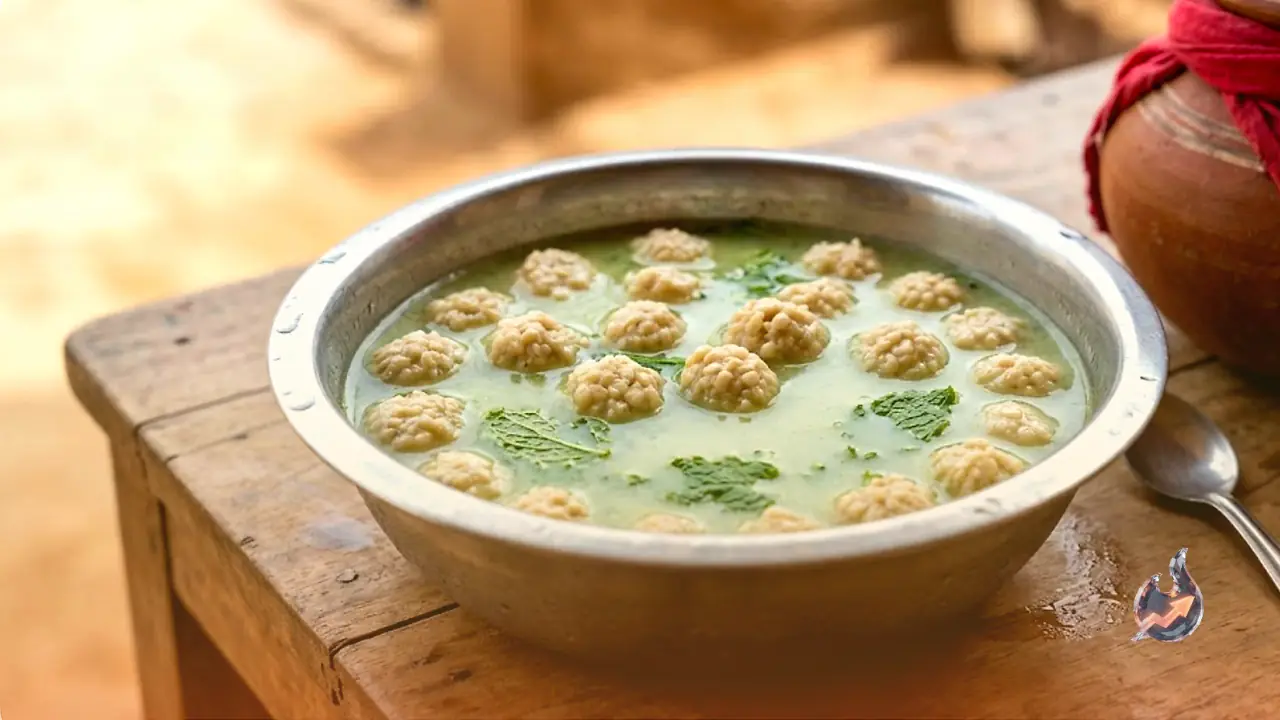

In the rural heartlands of Rajasthan's Dholpur district, the rich heritage of traditional local cuisine remains vibrant and cherished even in today's modern times. As the summer heat intensifies, a unique and historic delicacy known as Chadiya, made from washed urad dal, becomes the preferred choice of the local population. From elderly villagers to young children, people of all age groups enjoy this traditional dish with immense enthusiasm. What makes Chadiya truly exceptional is its unique serving style. It is not merely consumed as a solid food item but is also paired with a chilled, aromatic drink infused with asafoetida and fresh mint. This double offering of rich taste and refreshing cooling properties makes it an ideal culinary companion during the harsh summer months.
A Simple Recipe with Everyday Household Ingredients
Sharing the details of this traditional preparation, local homemaker Prabha Sharma explains that making Chadiya is highly straightforward. The entire process relies on basic ingredients that are readily available in almost every household kitchen. The journey of preparing this dish begins the night before, when washed urad dal is soaked thoroughly in water. By the next morning, the softened lentils are ground into a very fine and smooth paste using a mixer-grinder. Following this, a special water mixture infused with fragrant asafoetida is prepared. The cook then shapes the ground lentil paste into small, flat round cakes, which are locally referred to as Chadiya. Before these are cooked, a light coating of the prepared asafoetida water is gently applied on both sides of each piece. Meanwhile, pure mustard oil is heated in a traditional deep frying pan until it reaches the perfect temperature. The prepared lentil pieces are then carefully placed into the hot mustard oil and deep-fried until they turn a beautiful, appetizing golden-brown color. Once they are thoroughly cooked through, they are gently removed from the oil and allowed to drain.
Enhancing the Flavor Profile with Chilled Herb Water
Once the frying is complete, the most distinctive and crucial phase of this culinary creation begins. The chef prepares a dedicated batch of cold water in a large container, seasoning it with a precise blend of strong asafoetida, fresh mint leaves, and salt adjusted according to individual preference. The freshly fried, golden Chadiya pieces are then immersed directly into this cool, herb-scented liquid. To elevate the refreshing experience, the entire mixture is placed inside a refrigerator for a brief period to chill thoroughly. As the dish cools down, the lentil cakes absorb the fragrant water, which significantly enhances the overall depth of flavor and makes every bite incredibly juicy and satisfying.
Why Local Residents Prefer This Heritage Dish Over Fast Food
Prabha Sharma emphasizes that the combination of asafoetida and mint water does not just make Chadiya exceptionally delicious, but it also serves as an excellent natural coolant for the human body during the peak of summer. This health benefit is a major reason why families in rural areas continue to prioritize this ancestral delicacy over modern processed junk food and packaged meals. In the villages of Dholpur, Chadiya represents far more than just a seasonal snack. It is an integral component of the local culture and domestic food heritage. Passed down through multiple generations, this time-tested dish continues to hold a prestigious spot on the dining platters of local households, remaining an essential and deeply loved summer ritual in rural Rajasthan.