























With the arrival of the auspicious month of Sawan dedicated to Lord Shiva, devotees across the nation observe fasts with deep reverence. During fasts, there is a constant need for light yet nourishing food options that keep energy levels elevated without causing heaviness. Sabudana Kheer emerges as an ideal choice for a delicious and quick dessert that can be prepared easily at home. Requiring minimal ingredients available in every household, this traditional dish appeals equally to children and elders alike. It offers versatile serving choices, as it tastes equally delightful whether served warm or chilled. In Bhilwara, Rajasthan, this wholesome preparation is widely preferred by people observing religious fasts.
Nutritional Advantages of Sabudana Kheer During Fasting
Sabudana Kheer is far more than just a tasty sweet treat; it acts as an effective energy booster during fasts when body stamina typically drops. The milk used in the recipe supplies essential calcium and protein to the body. Meanwhile, sabudana, being rich in digestible carbohydrates, delivers immediate energy to overcome tiredness. Incorporating dry fruits such as almonds, cashews, pistachios, and raisins further enhances its nutritional profile. For health conscious individuals seeking to avoid refined sugar, healthy alternatives like jaggery or rock sugar can be used seamlessly. Consequently, it remains a favoured item during Sawan, Navratri, Ekadashi, or any spiritual fasting occasion.
Ingredient Quantities and Essential Initial Preparation Steps
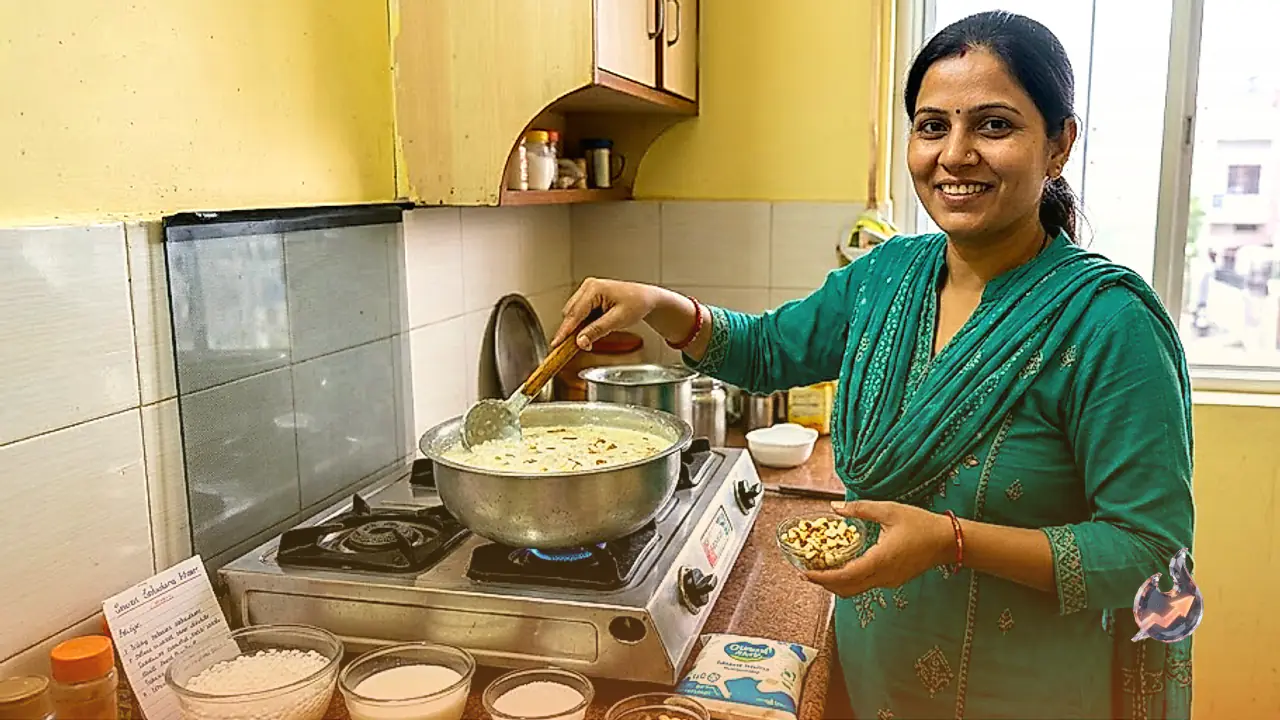
Highlighting the importance of dietary balance during fasts, Pooja Kumari Sankhla in Bhilwara stated that people naturally seek meals that combine exceptional taste with genuine health benefits, making Sabudana Kheer an unmatched option. To begin the recipe, take 1 cup of sabudana and wash it thoroughly in clean water to eliminate loose starch. Next, soak it in adequate water for about 1 to 2 hours. If you are constrained by time, opt for small grain sabudana instead of larger varieties, as smaller pearls absorb moisture faster and swell up in a significantly shorter period.
Step-by-Step Slow Cooking Technique and Ideal Timing
Once the initial soaking is complete, pour 1 liter of milk into a heavy bottomed vessel and set it to boil on low flame. Utilizing a heavy bottom pan is crucial to prevent the milk from scorching at the base. When the milk reaches a thorough boil, stir in the soaked sabudana pearls. Continuous stirring with a spoon is essential after adding sago to ensure the pearls do not stick to the vessel's bottom or form clumps. After simmering gently for approximately 15 to 20 minutes, the sago cooks completely and turns fully transparent.
Flavoring, Garnishing, and Flexible Serving Options
After the sabudana becomes transparent and cooked through, add sugar according to your taste preferences and let it cook for another 2 to 3 minutes until the sugar dissolves completely. Next, blend in half a teaspoon of cardamom powder to infuse a rich aromatic fragrance. Add finely chopped almonds, cashews, pistachios, and raisins. For an elevated touch of color, aroma, and rich flavor, a few strands of saffron can also be incorporated. If a thick and creamy texture is desired, simmer the mixture for a few extra minutes; conversely, if a lighter consistency is preferred, turn off the heat immediately. The finished dish can be served steaming hot or cooled in the refrigerator before serving.