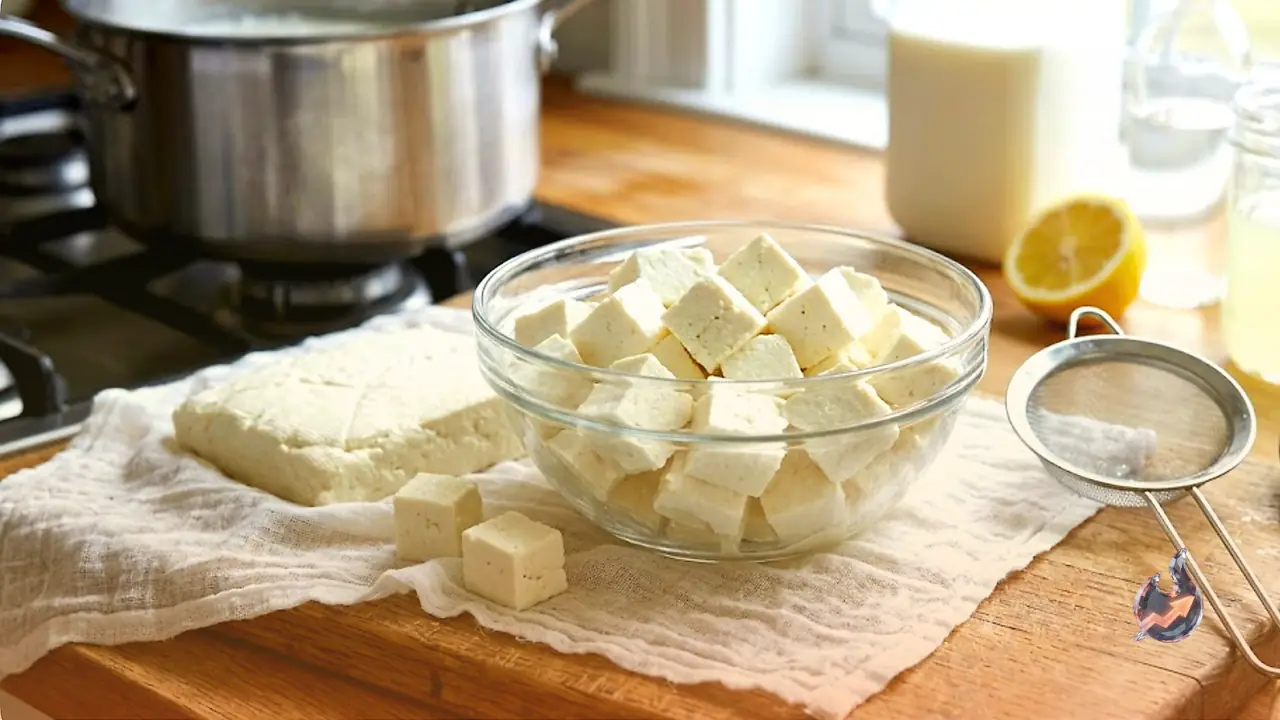

Nothing quite replaces paneer in an Indian kitchen. Whether it is shahi paneer, matar paneer, paneer tikka or any number of favourite dishes, it almost always takes centre stage. Since store-bought paneer can be heavy on the wallet, most households prefer to set fresh paneer at home. The one constant complaint, though, is that homemade paneer often comes out hard and chewy like rubber instead of soft.
The truth is that softness is not just about the quality of the milk. How the milk is curdled, the temperature at which it is curdled, and the way the water is drained afterwards all have a direct effect on the final texture.
The Biggest Mistake Happens While Curdling the Milk
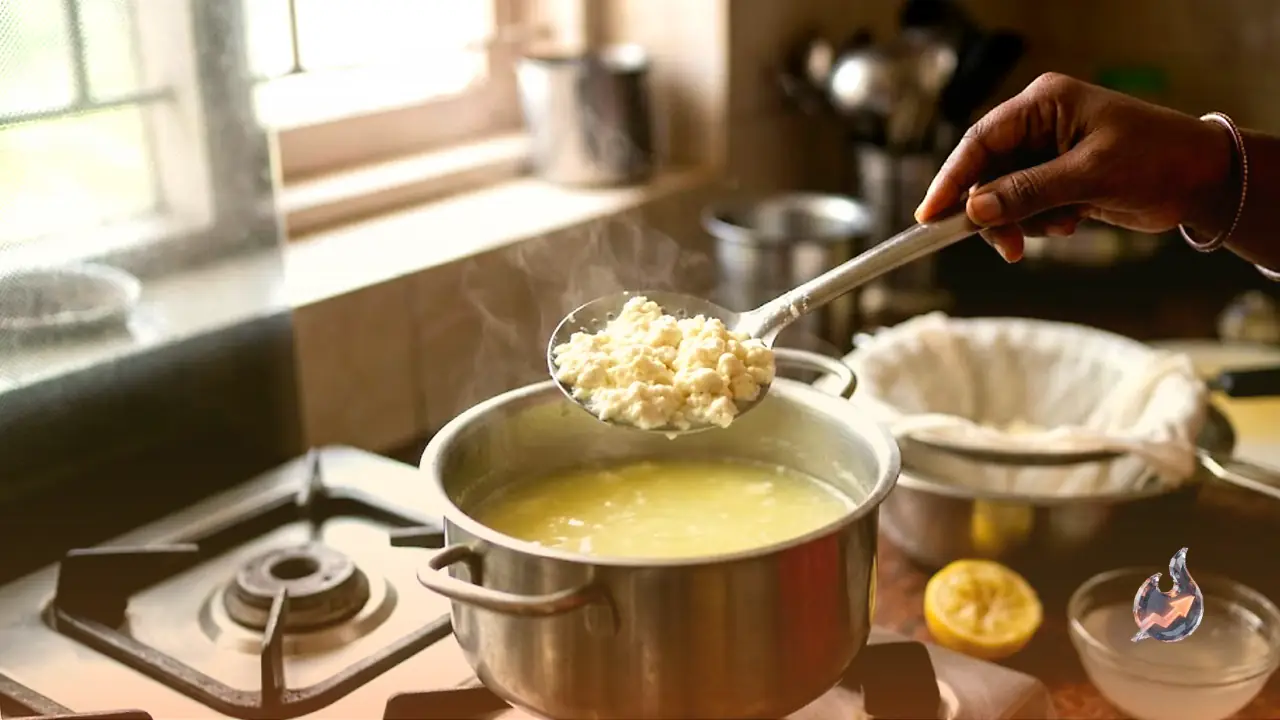
Curdling the milk is the first step to setting paneer, and it is usually done with lemon juice, vinegar or some other acidic ingredient. But if the amount of acid is too high, the milk proteins shrink quickly and the paneer turns hard. That is why lemon juice or vinegar should always be added a little at a time. Pouring in a large amount all at once can ruin the entire texture.
Very cold milk makes it difficult to get good paneer. It is best to heat the milk properly before curdling it. As the milk begins to come to a boil, lower the flame and slowly add the lemon juice. The moment the milk splits and the water starts to separate, there is no need to cook it any further.
Another common error is squeezing the paneer too hard to drain the water. This strips out the moisture and leaves the paneer stiff rather than soft. For softer paneer, press it gently after draining and let it set for a while.
The Right Way to Get Soft Paneer
Once the milk has split, the chhena, that is the paneer, can be tied in a clean cloth and rinsed with a little water. This cuts down the sourness of the lemon or vinegar. After that, do not leave the paneer open for too long. Storing it properly is important so it retains its moisture.
Some people dip the paneer in lukewarm water for a few minutes before using it, which helps bring back its softness. One more thing worth remembering: paneer made from full cream or high-fat milk is usually softer and creamier because of its higher fat content, while paneer made from low-fat milk can turn out a little harder.