






















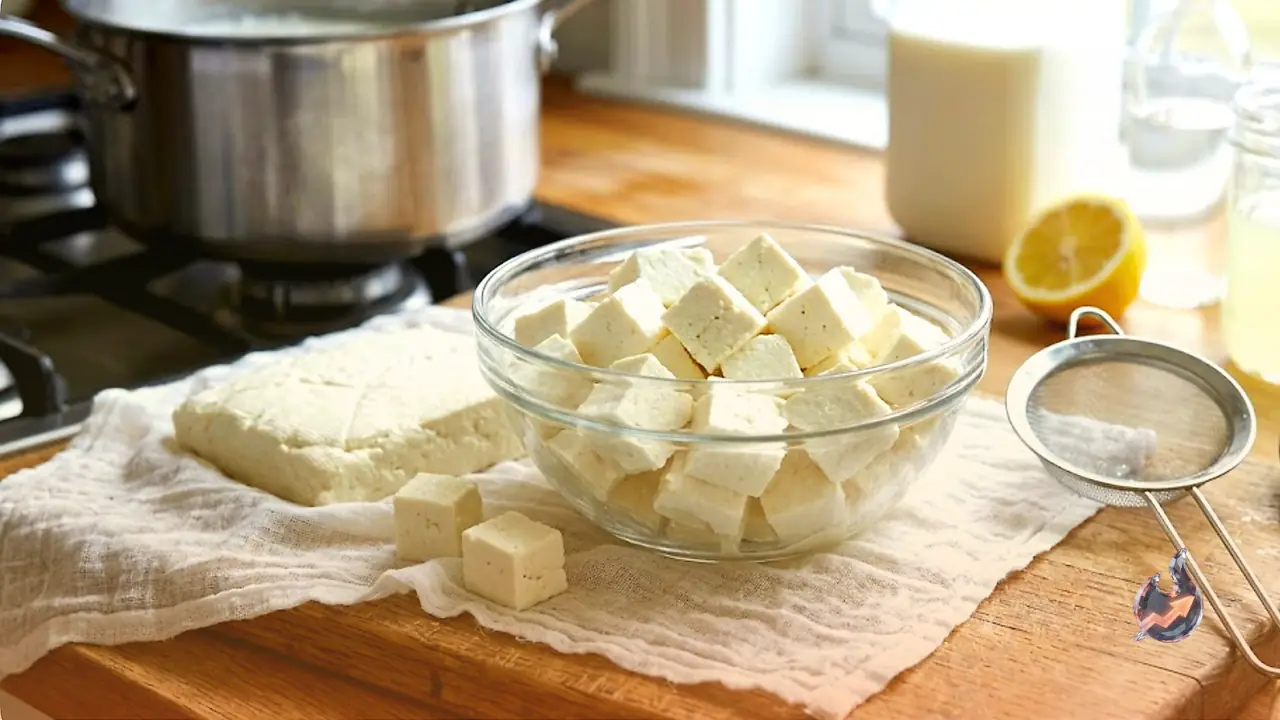

When it comes to protein, paneer is hard to beat, and for people who skip non-vegetarian food it becomes even more of a staple. The trouble is that complaints about adulteration in store-bought paneer have grown sharply over the past few years, which is exactly why many people now find it more reliable to make it at home. Yet almost everyone who tries runs into the same problem: the paneer turns out stiff and rubbery.
There are really two big mistakes behind this. The first is overheating the milk, and the second is pressing the paneer for too long. When paneer sits under a heavy weight for a long stretch, all its moisture is squeezed out and it goes hard. In the same way, if you keep boiling the milk even after it has curdled, the texture of the paneer suffers.
Add the acid a spoon at a time, never all at once
To split the milk, never pour in the lemon juice or vinegar all together. Add it one spoon at a time and stir gently as you go. The moment the milk curdles properly and the whey starts looking greenish, stop adding the acid right away.
Stop boiling once it curdles
Once the milk has split, do not boil it any further. As soon as you see clear whey separating, switch off the gas at once. Heating it more than needed is what makes paneer hard.
A splash of cold water right after straining
After straining, pour cold water over the paneer grains for 15 to 30 seconds. This halts the cooking process on the spot and keeps the paneer soft. It also washes away the sour taste of the lemon or vinegar.
Know exactly how long to press
Pressing the paneer far too long is the single biggest error. For bhurji or salad, 15 to 20 minutes of pressure is plenty. For gravy dishes like palak paneer or shahi paneer, 30 to 40 minutes works well. For tikka or kebabs you can press it a little more, but never beyond 50 minutes. Press it longer than that and the paneer turns tough.
Dip it in ice-cold water after pressing
Once it has been pressed, leave the paneer in ice-cold water for a few minutes. This firms up the outer layer while keeping the inside soft and creamy. Putting the paneer straight into the fridge can leave it chewy and hard to bite. So this small step goes a long way in keeping paneer tasty and tender.