





















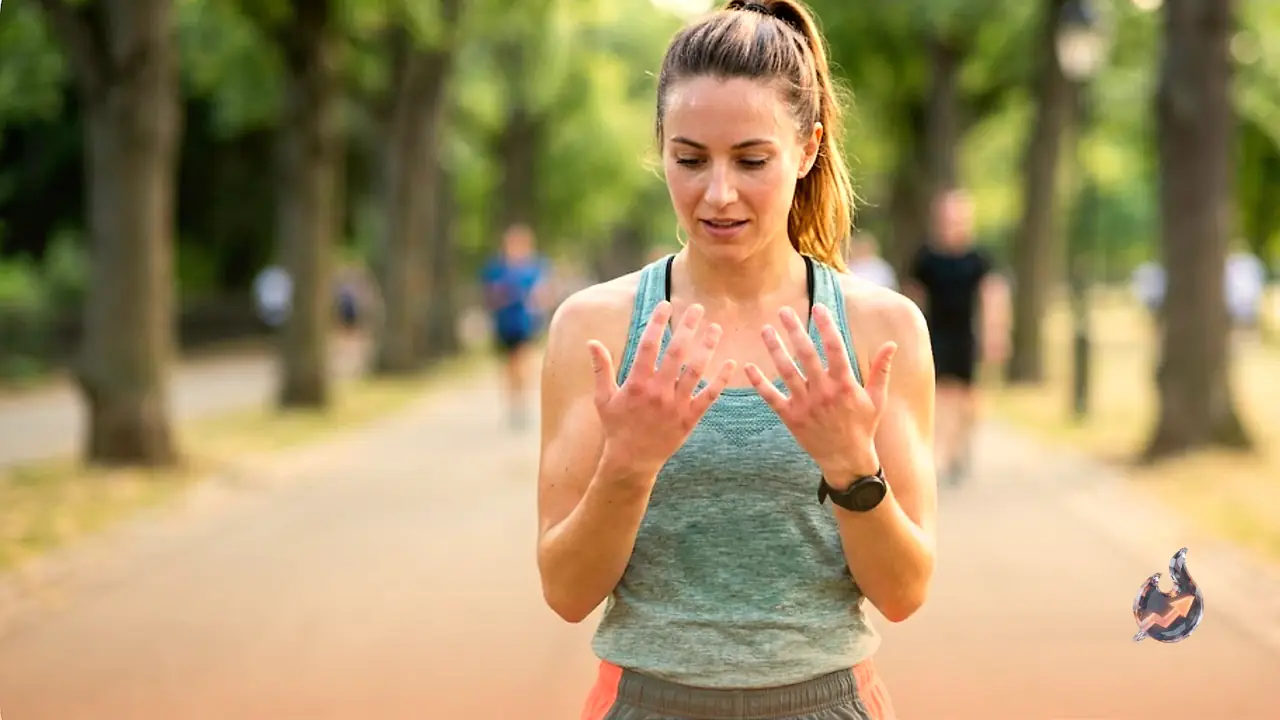

I often find that my rings, which fit perfectly during the day, feel uncomfortably tight when I go for a run. This is a common issue for many active individuals, especially in warmer climates. While scientists have not perfectly mapped every detail of this phenomenon, there are several recognized factors that cause hand swelling in healthy people who exercise regularly.
The science behind post-exercise hand swelling
It is perfectly normal for our finger size to fluctuate throughout the day. Studies indicate that hands often swell slightly overnight, a condition that usually resolves as we go about our daily activities. Consequently, you are more likely to notice this swelling after a morning workout compared to one in the late afternoon or evening.
The impact of heat
One of the primary ways our body regulates temperature is by dilating blood vessels near the skin's surface. While this aids in cooling, it can also lead to swelling as fluid moves out of the blood vessels and accumulates in the body's tissues. Normally, active movement helps circulate this fluid back into the system, but during exercise, the rate at which fluid enters the hands can outpace the rate at which it leaves, causing that temporary swelling.
Exercise and blood circulation
Just as heat exposure increases blood flow, so does physical activity. Even in cooler weather, the boost in circulation can lead to increased fluid retention in the extremities. Furthermore, the rhythmic swinging of your arms while running, combined with gravity, can push excess fluid toward the hands and impede its return journey up the arm.
The role of electrolytes
Electrolytes such as sodium and potassium play a crucial role in how our bodies manage fluid balance. In instances where someone drinks large volumes of water without replacing sodium, a condition known as hyponatremia can occur, which can be severe. Many runners and medical professionals suggest that maintaining proper electrolyte levels can help mitigate the swelling commonly seen in the fingers.
Other potential medical concerns
While often benign, hand swelling can occasionally signal an underlying issue. Allergic reactions or chronic conditions related to the heart or liver can also manifest as swelling. If you find the swelling to be severe, persistent, or accompanied by other symptoms, it is advisable to consult a healthcare professional to rule out any conditions requiring treatment.
Managing swollen fingers after a run
In most cases, exercise-induced swelling is harmless and resolves on its own. As one dermatologist who experiences this personally noted, the best treatment is often just observation and patience; once you stop the physical exertion, the swelling will spontaneously subside.
Typically, this type of swelling fades significantly within one to two hours and should be completely gone by the next day. However, if you are looking to ease the discomfort, consider these quick tips:
- Hold your hands above your head and massage your fingers starting from the tip toward the palm.
- Keep your hands and arms moving, for instance by clenching and unclenching your fists or wiggling your fingers throughout your recovery.
- Ensure that nothing is restricting blood circulation. Loosen your watch strap or adjust your backpack and vest straps to allow for better flow.
Preventative measures
To reduce the likelihood of swelling in the future, consider incorporating these simple adjustments:
- Take off your rings or any restrictive hand jewelry before you start your workout. If you prefer to keep them on, you might opt for a silicone ring designed for active use.
- Check the fit of your watch. While a snug fit is often necessary for tracking accuracy, you want to avoid it being overly tight. If comfort is an issue, consider a chest strap monitor for heart rate and keep your watch loose or stowed away.
- Time your runs strategically. Evenings might be cooler, and you will avoid the natural swelling that often occurs first thing in the morning.
- Stay hydrated and mindful of your electrolyte intake. Whether you prefer electrolyte drinks, tablets, or simply adding a bit of salt to your snacks during the day, maintaining balance can help.
Ultimately, if your finger swelling is just the typical result of exercise and not linked to a deeper medical condition, simply knowing that it is common and temporary should be reassuring. If you use a running belt or pack, keeping a carabiner attached is a great way to secure your rings if you forget to leave them at home before heading out.