























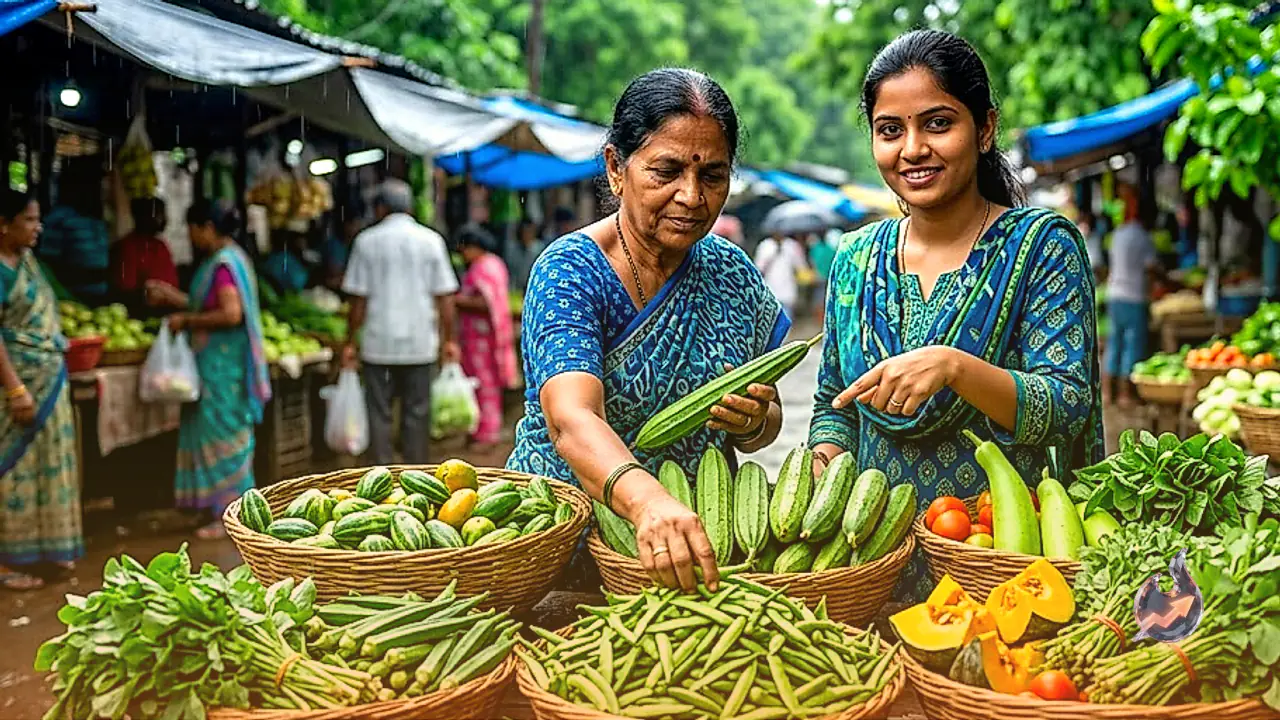

While the arrival of rain brings relief from the heat, it also introduces several health challenges. As the month of Ashadha begins, the humidity in the atmosphere increases, which directly affects our digestive system. During this period, the speed of digestion slows down, and stomach-related issues frequently begin to trouble people. Experts in health and Ayurveda suggest that choosing food solely based on taste during this time can be detrimental. If you include the right seasonal vegetables in your plate, it not only keeps digestion better but also ensures that the body easily receives the necessary nutrients.
Why Diet Changes Are Necessary in the Rainy Season
Due to the increased humidity in the environment during Ashadha and the rainy season, the digestive capacity of the body is not as efficient as it usually is. This is the reason why many individuals start facing problems like gas, indigestion, bloating, acidity, and various infections. At such times, choosing light, fresh, and easily digestible vegetables does not put extra pressure on the body. If small changes are made in the daily diet according to the season, many minor and major health issues can be avoided.
10 Seasonal Vegetables to Boost Your Health
Bottle Gourd (Lauki): Bottle gourd is counted among the lightest and most easily digestible vegetables of the monsoon season. It has a high water content, which prevents dehydration. It provides a cooling effect to the stomach and facilitates digestion. Bottle gourd prepared with light spices or its soup can be a good option for this weather.
Pointed Gourd (Parwal): Rich in fiber, pointed gourd helps in maintaining a better digestive system. For those who frequently complain of a heavy stomach or gas during the monsoon, this vegetable is considered beneficial.
Sponge Gourd (Turai): Also known as ridge gourd or gilki in many regions, it is very easy to digest. It helps in reducing stomach irritation and acidity. Sponge gourd cooked with minimal oil and spices is not only delicious but also light for the system.
Bitter Gourd (Karela): Despite its bitter taste, bitter gourd is packed with nutrients. It helps in strengthening the body's disease-fighting ability, or immunity. For those struggling with diabetes, it is considered beneficial when consumed in balanced quantities.
Pumpkin (Kaddu): Pumpkin contains Vitamin A, fiber, and many essential nutrients. It provides comfort to the stomach and also supplies energy to the body. Both a dry vegetable dish or a light soup are good choices.
Ivy Gourd (Kundru): Available during the monsoon, ivy gourd is rich in fiber. It helps in relieving constipation and keeping digestion smooth. Its stir-fry is also a great option for a tiffin meal.
Apple Gourd (Tinda): Many people do not like apple gourd, but the water and antioxidants present in it help keep the body hydrated. It is light and is also considered a good choice for those who are keeping their weight under control.
Okra (Bhindi): The natural mucilage present in fresh okra helps in protecting the lining of the intestines. It makes digestion easier. Keep in mind to cook it with light spices rather than frying it in too much oil.
Raw Banana: If your stomach gets upset frequently during the rainy season, a dish made from raw banana can be beneficial. It helps in soothing the stomach and provides the body with essential minerals.
Cluster Beans (Guar Phali): Cluster beans contain fiber, protein, and many necessary nutrients. Along with providing energy to the body, it is also considered helpful in balancing blood sugar levels.
The Importance of Preparation Methods
In the monsoon season, you get the actual nutrition only when vegetables are washed thoroughly and cleaned before cooking. Try to stay away from excessive oil, spices, and fried items. Buy fresh vegetables and avoid using those that have been kept in the refrigerator for a long time. If possible, prioritize seasonal and local vegetables for your daily intake.