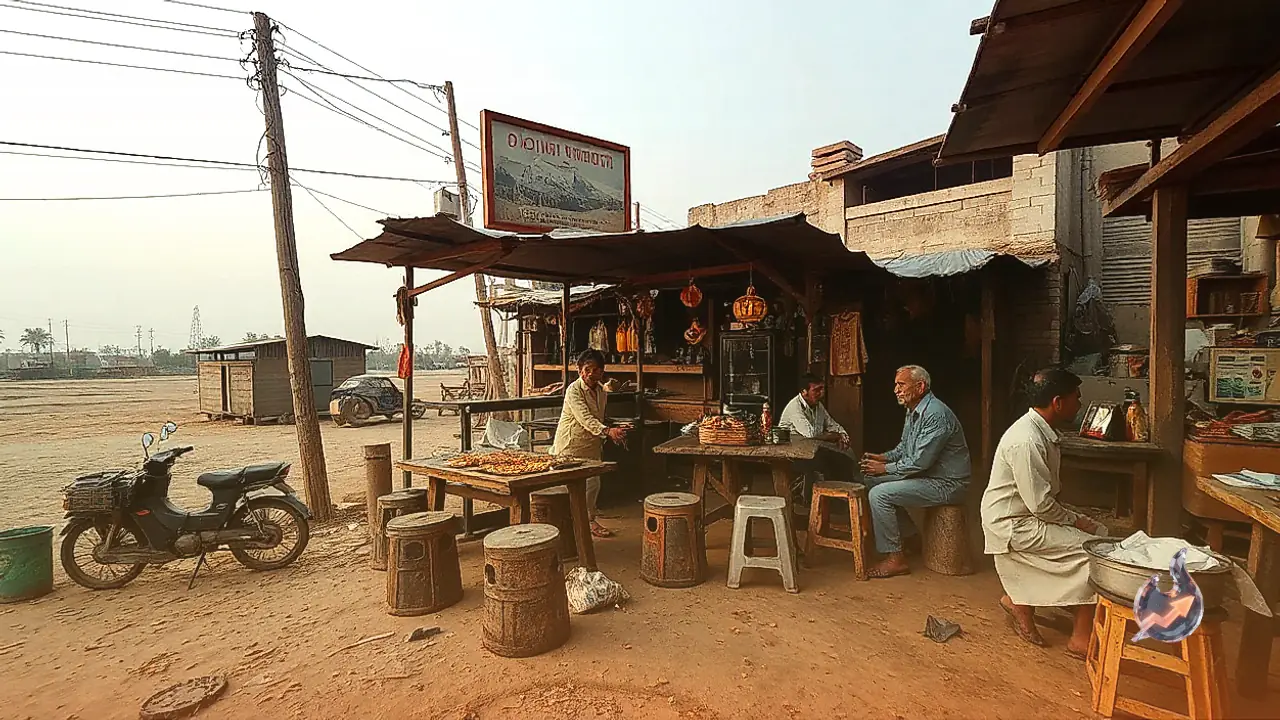
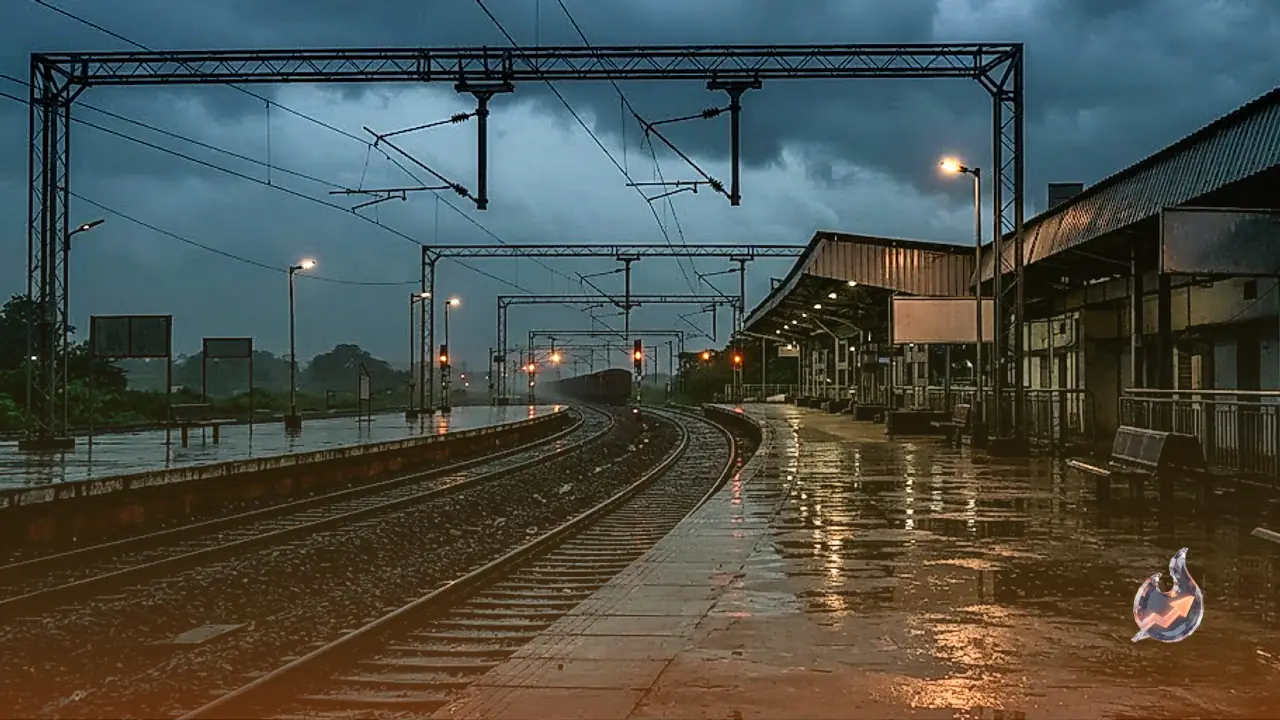



















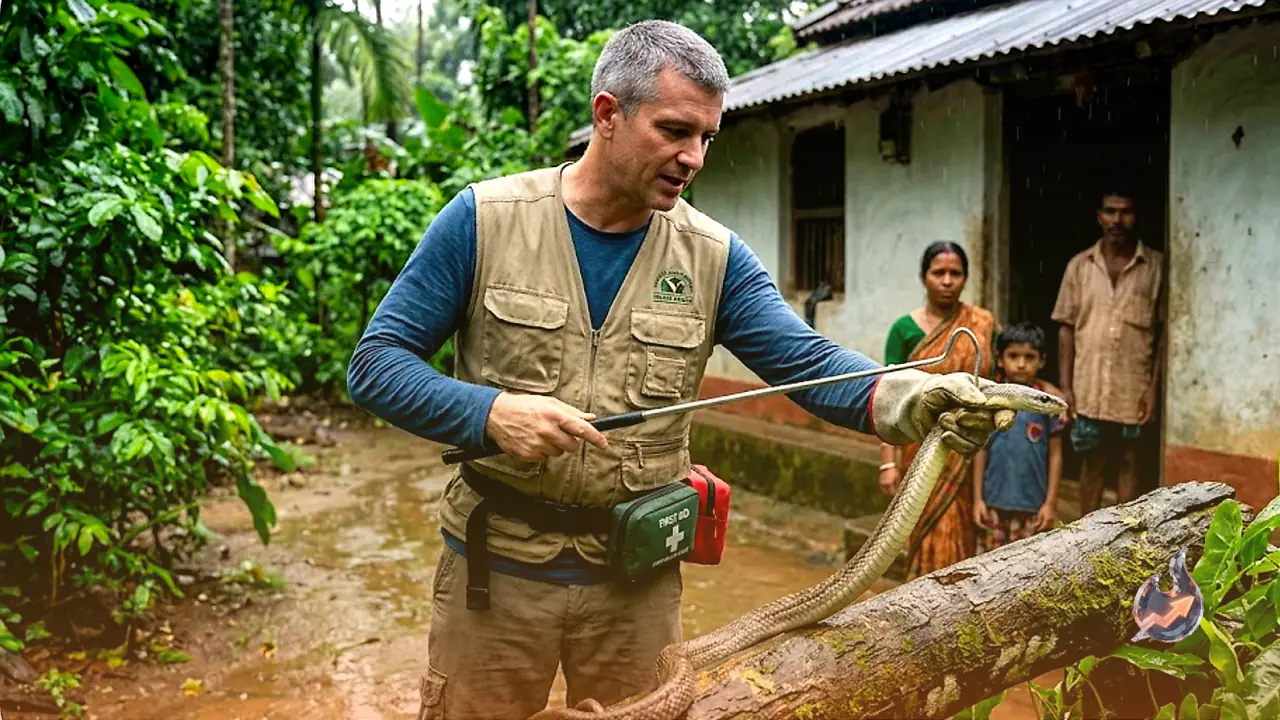

While the arrival of the monsoon brings a much-needed reprieve from scorching heat, it also introduces several environmental hazards. Perhaps the most concerning is the migration of snakes into residential areas, farms, and human dwellings. When heavy rains begin, water permeates the soil, flooding underground burrows. In search of dry and secure shelter, snakes are forced to move, often ending up in homes, warehouses, livestock sheds, and open fields. For those living in rural areas, this threat is particularly pronounced as their daily routines, involving agriculture and animal husbandry, keep them in frequent contact with open landscapes where snake encounters become more common during the rainy season.
The Factors Behind Increased Snake Activity
The monsoon season fundamentally alters the environment for snakes. As persistent rainfall fills their subterranean burrows, the lack of air leaves them with no choice but to emerge in search of higher, drier ground. This instinctual survival mechanism leads them into proximity with human settlements. Furthermore, the monsoon season encourages the proliferation of rodents, frogs, and other small creatures, which form the primary diet of snakes. The abundance of such prey acts as a magnet, drawing snakes toward areas where food is easily accessible, often near human homes.
Essential Precautions for Home Safety
Kunj Bihari, while discussing the issue, emphasized that heightened vigilance is essential during the rainy months. He advises that if you are stepping out of bed at night, you should always inspect your surroundings with a flashlight before putting your feet down. Snakes frequently hide on floors or under furniture, and accidentally stepping on them in the dark can easily lead to a bite. Additionally, it is crucial to keep the surroundings of your house clear. Avoid accumulating piles of wood, unnecessary bushes, waste, or hay near the premises, as these provide ideal hiding spots for snakes looking for shelter.
Protocol in Case of a Snake Bite
In the unfortunate event of a snake bite, panic is the greatest enemy. Instead of resorting to anxiety, immediately transport the victim to the nearest hospital. Keep the bitten area as immobile as possible to slow down the circulation of venom throughout the body. Never rely on superstitious practices such as snake charming, applying incisions, sucking the venom out, or any traditional home remedies. Seeking professional medical care to receive Anti-Snake Venom (ASV) in a timely manner is the only effective and proven way to treat a snake bite.