






















While the arrival of monsoon showers brings much-needed relief from the scorching heat, it can pose a severe threat to individuals with compromised health. For several people, exposure to rainwater can act as a catalyst for life-threatening complications. Getting drenched in the rain may seem like a pleasant experience, but it can trigger sudden physiological changes that put chronic patients at risk. Experts caution that a sudden drop in body temperature after getting wet causes the airways in the lungs to constrict. Furthermore, a weakened immune system makes it incredibly easy for airborne bacteria and viruses to launch an attack, posing a significant threat to those suffering from Chronic Obstructive Pulmonary Disease (COPD) and other long-term ailments.
High-Risk Patient Groups Who Must Avoid Rainwater
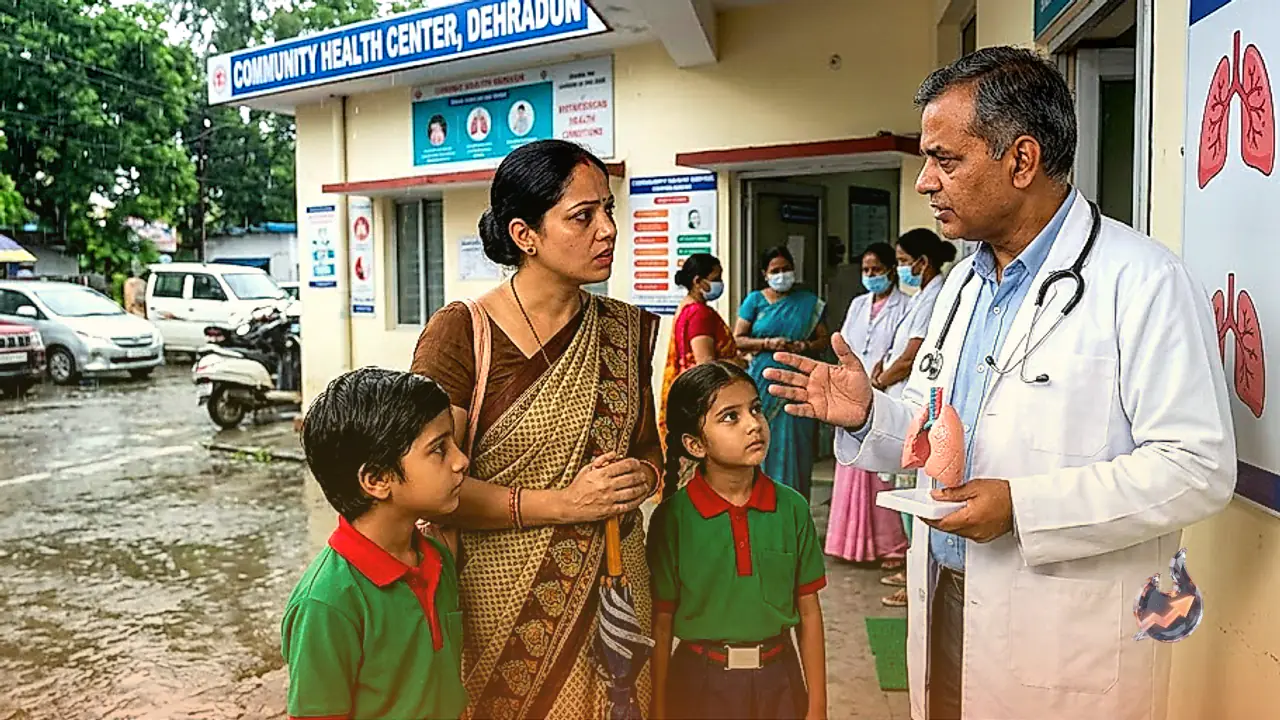
The rainy season demands extreme caution from individuals who are already battling pre-existing health conditions. Dr. K. C. Pant, a Senior Physician at Doon Hospital in Dehradun, emphasized that physically weak individuals, the elderly, and patients with chronic illnesses need to be exceptionally careful. He warned that people suffering from diabetes, COPD, asthma, chronic bronchitis, sinus issues, liver dysfunction, kidney diseases, and cardiac problems must avoid getting wet at all costs. For these vulnerable groups, exposure to damp weather and sudden cooling can lead to severe health setbacks.
The Peril of Secondary Infections and Pneumonia
Dr. K. C. Pant specifically highlighted the risks faced by diabetic patients, stating that rainwater exposure can lead to severe pneumonia. Since their immune systems are already compromised, getting wet can quickly pave the way for dangerous secondary infections. He advised such patients to keep their blood sugar levels strictly under control and make conscious efforts to stay dry. In case anyone experiences symptoms of chest infection or fever after exposure to rain, they should immediately consult a medical professional. Prompt treatment can resolve the issue through medication, whereas negligence might lead to critical complications requiring hospitalization.
Dietary Guidelines to Protect Your Digestive Health
Beyond respiratory and systemic infections, the monsoon season also brings a high risk of digestive disorders due to food contamination. The prevailing humidity creates an ideal breeding ground for bacteria, causing food to spoil rapidly. Dr. Pant strongly advised against consuming stale food during the rainy season. Instead, individuals should opt for fresh, light, and easily digestible meals to ensure their digestive system remains healthy. Incorporating these simple preventive measures into daily routines can safeguard vulnerable patients from the severe hazards of the monsoon.