




















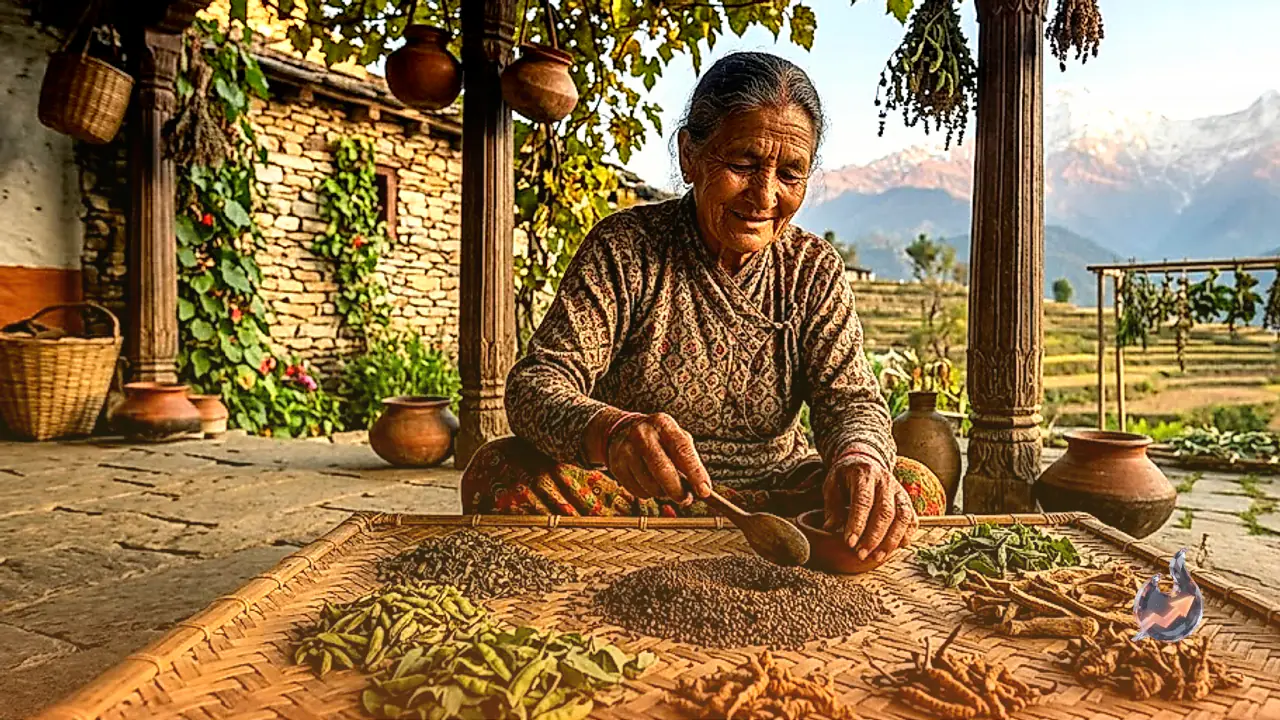

Tucked away in the high slopes of Uttarakhand are herbs and plants that villagers have relied on for generations, not just to season everyday meals but also to treat common ailments at home. Ayurveda credits several of these plants with genuine medicinal value, and demand for them has held steady over the years. From kitchen staples to rare high-altitude finds, here are 10 herbs from Uttarakhand that double as nature's own health kit.
This list spans everything from the humble spice tin in a mountain kitchen to shelves in Ayurvedic pharmacies, and each plant carries its own distinct role.
Herbs that flavour everyday mountain cooking
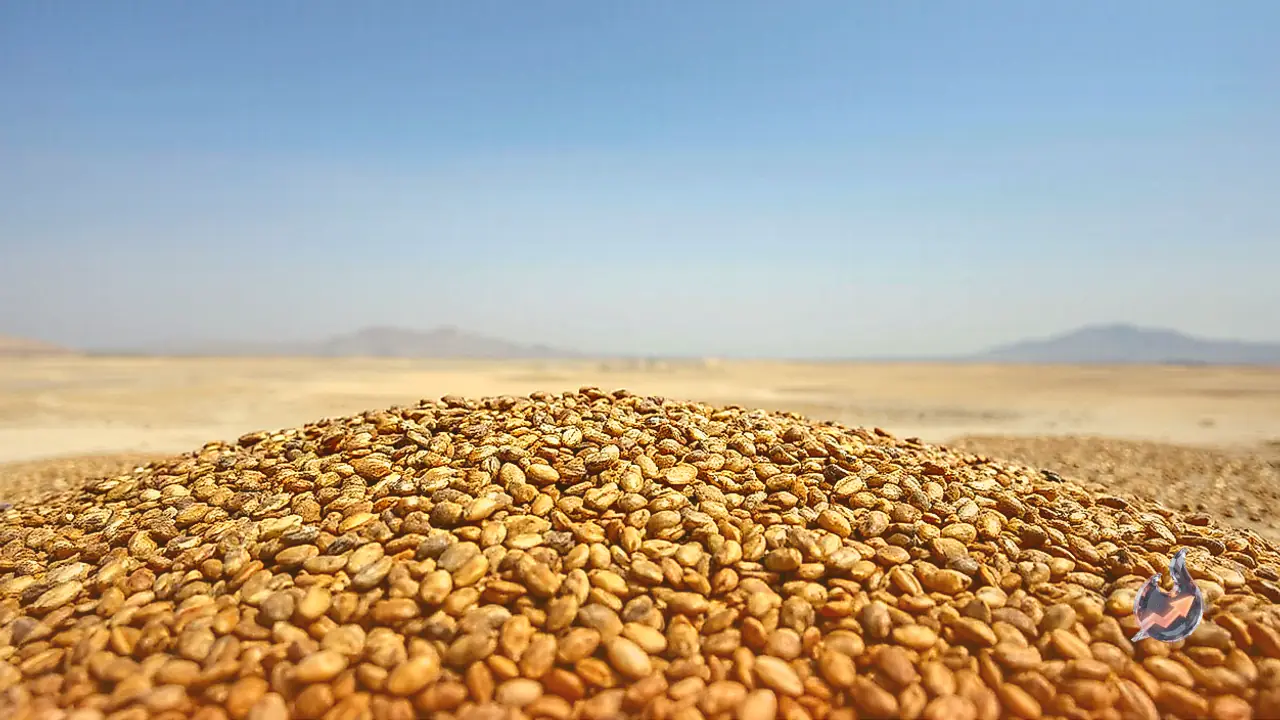
Jakhiya is among the best known herbs from the region. It is used as a tempering agent in hill-style lentils and vegetables, and it packs protein, fibre, and vitamins E and C. Locals consider it beneficial for digestion and treat it as a staple in daily cooking. Anyone visiting Uttarakhand is advised to pick some up, since it is valued both for its distinctive taste and for its health benefits.
Jambu belongs to the onion family but grows only in the higher reaches of the Himalayas. In Uttarakhand it goes into lentils, vegetables, soups and pickles as a tempering spice. According to local belief, it helps with cold and cough, stomach trouble, fever and digestion. Its aroma and flavour are part of what gives hill cuisine its distinct character.
Gandrayan's roots and stems are dried and used as a spice. Beyond adding flavour to food, it is considered helpful for improving digestion, cutting acidity and relieving constipation. In hill households it has long doubled as a home remedy for stomach ache in children, which is why it still holds a lot of value among local families.
Plants believed to sharpen the mind and boost immunity
Brahmi is one of the most celebrated medicinal plants of the Himalayas, referred to in Ayurveda as a brain booster. It is believed to aid memory, ease mental stress and improve concentration. It is also used for cough-related issues, skin problems and for cooling the body. Ayurveda gives Brahmi special importance and includes it in a number of formulations.
Tulsi is one of India's most famous medicinal plants, not just Uttarakhand's. Ayurveda regards it as an immunity-boosting herb, and it has been used for centuries to deal with cold, cough, sore throat and viral infections. Many households in Uttarakhand grow a tulsi plant for both religious and medicinal reasons.
Jatamansi, another plant found in the higher Himalayan belt, is considered useful in Ayurveda for mental stress, fatigue, insomnia and issues linked to the nervous system. Its roots are used in various Ayurvedic medicines as well as fragrance products. This rare Himalayan herb continues to be highly prized for its medicinal properties.
Herbs central to Ayurvedic treatment
Koot is an important medicinal plant found in the higher Himalayan zones. Its roots and stems are used in Ayurvedic medicines, and it is considered beneficial for swelling, asthma, mouth ulcers, digestive issues and general physical weakness. Hill communities have long used it as a home remedy, and demand for it in Ayurvedic treatment remains constant.
Kutki is counted among the rarer medicinal herbs of the Himalayas. In Ayurveda it is considered useful for liver problems, sore throat, respiratory ailments and digestive troubles, and it goes into several Ayurvedic medicines. Experts caution that it should only be consumed on the advice of a qualified physician.
The state tree Buransh and the prized keeda jadi
Buransh, Uttarakhand's state tree, is known for its bright red flowers and its medicinal properties. The sherbet made from its flowers is highly popular in summer and is believed to refresh the body while strengthening the respiratory system. Ayurveda also uses buransh in various medicines. Tourists visiting the Dev Bhoomi region often like to carry back its juice and other products, and the hills now offer a range of buransh items, including tea, all considered beneficial for health.
Yarsagumba, more commonly called keeda jadi, is found in the high Himalayan stretches of Pithoragarh, Dharchula and Munsyari in Uttarakhand. It is considered a vitality booster and is known for certain traditional medicinal uses. International demand for it is so high that its price can run into lakhs of rupees per kilogram, making it a major source of livelihood for local communities.