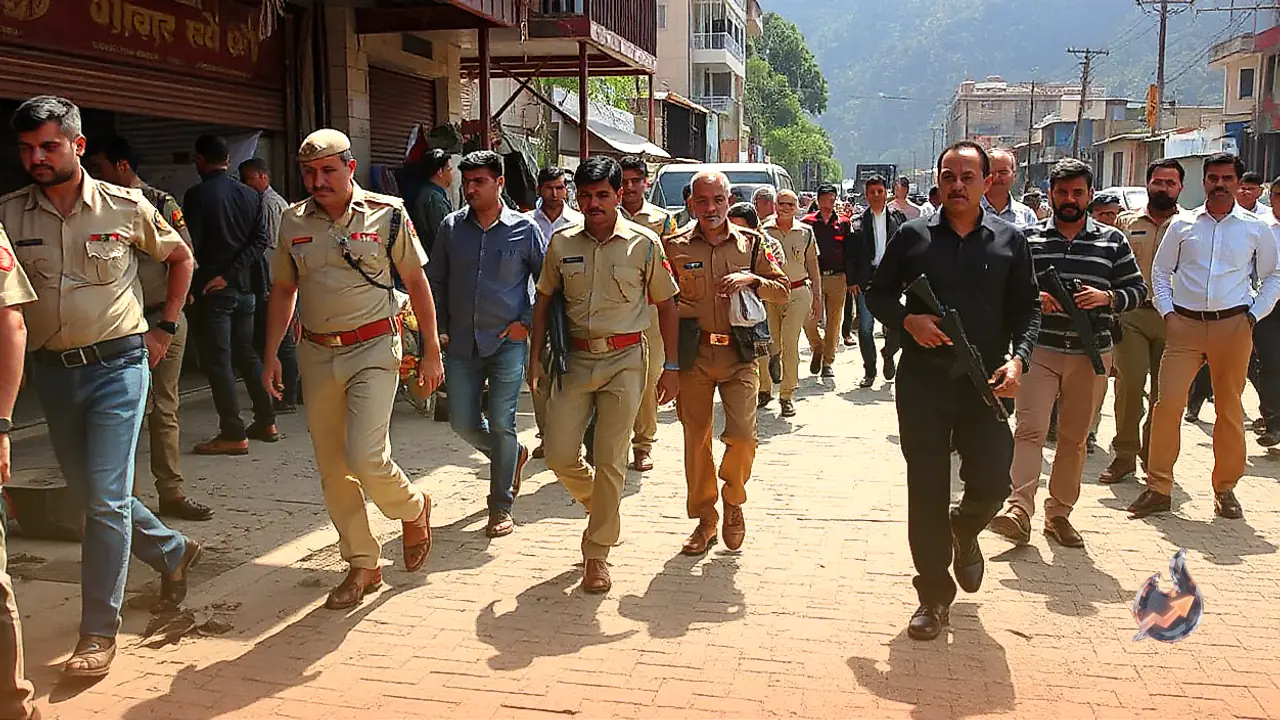

The administration in Himachal Pradesh has significantly intensified its enforcement operations against the illegal narcotics trade, according to official figures released recently. Over the past four years, a total of 7,950 cases have been registered under the NDPS Act, leading to the arrest of 12,302 individuals involved in the trade. Furthermore, illegal assets and properties worth approximately Rs 92 crore amassed through drug trafficking have been confiscated by the authorities.
Chief Minister Sukhvinder Singh Sukhhu Emphasizes Zero Tolerance
Chief Minister Sukhvinder Singh Sukhhu has stated that eradicating synthetic drugs like chitta and all other intoxicants from the state remains a top priority for the government. He emphasized that successfully eliminating this menace requires coordinated efforts between police action and active cooperation from every segment of society.
Transforming the Drive into a Mass Movement
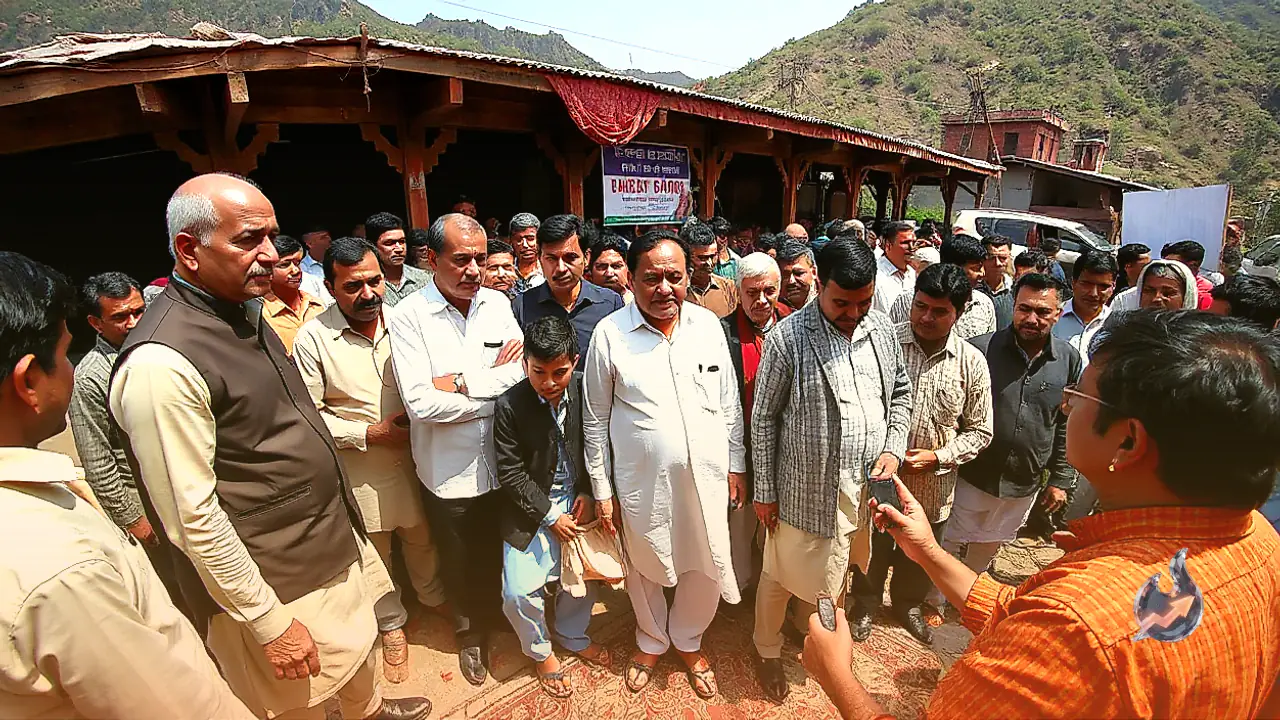
The campaign against narcotics is not being restricted solely to police intervention but is being shaped into a comprehensive public movement. The administration is ensuring the active participation of students, educators, women mandals, youth clubs, panchayat representatives, and ordinary citizens. Awareness walkathons are being organized across various districts to educate the public.
Substantial Recovery of Charas and Chitta
According to the official data, law enforcement agencies have seized 1,384 kilograms of charas and 59 kilograms of chitta during the past four years. Police and special task forces have been instructed to look beyond petty peddlers and dismantle the core kingpins, supply networks, financial backers, and interstate connections driving the trade.
Preventive Action Against Notorious Peddlers
To implement preventive measures against habitual offenders, the PIT-NDPS Act was enacted in 2023. Under this legislation, 225 notorious traffickers have been detained so far, with 159 actions initiated in the year 2026 alone. This places the state in second position nationally for preventive detentions under this law.
Confiscation and Demolition of Illegal Properties
The administration has cracked down heavily on properties acquired through narcotics proceeds. In the last three and a half years, around Rs 92 crore worth of assets have been attached. For the first time, property valued at Rs 48 lakh acquired through drug money has been formally transferred to the government. Additionally, 86 properties involving illegal encroachments on government land by NDPS accused have been identified, with demolition and eviction orders completed in 22 cases. Dedicated revenue officers are being assigned to expedite the remaining proceedings.
Action Against Government Employees Involved in Drug Networks
A stringent stance has been adopted regarding government employees found complicit in the narcotics trade. Cases have been filed against 168 public servants, out of which 30 state employees and 21 police personnel have already been dismissed from service. Departmental inquiries continue for the remaining suspects, and authorities have made it clear that no employee involved in such activities will be spared.
Identification of Vulnerable Panchayats and Individuals
The administration has identified 246 highly vulnerable panchayats, placing them under special surveillance. Using red, yellow, and green categorization at the panchayat level, affected individuals and traffickers are being screened. Around 12,000 people have been identified so far to provide them with necessary medical treatment and rehabilitation support while legal action proceeds against offenders.
Specialized Rehabilitation Centers and Institutional Reforms
To complement enforcement with healthcare support, a police-run de-addiction and rehabilitation center for women has been established in Mashobra. Directives have also been issued to transfer the management of de-addiction centers in Tanda and Bilaspur to the police department. Measures are underway to expand counseling networks, standardize outpatient care, and mandate drug testing during recruitment for government services.
Tobacco-Free Educational Institutions Initiative
To keep the younger generation away from substance abuse, anti-drug clubs, प्रहरी clubs, and peer education programs are being reinforced in academic institutions. Between June and August 2026, police officers adopted 158 schools and conducted awareness programs across 332 institutions. Nearly 9,677 educational institutions have been declared tobacco-free, earning the state top performance honors under the Tobacco Free Youth Campaign 3.0.
Upcoming WhatsApp Chatbot for Information Sharing
The state government will soon launch a dedicated WhatsApp chatbot to facilitate the reporting of narcotics trafficking. This platform will enable citizens to share confidential tips regarding drug syndicates while also providing counseling, treatment, and rehabilitation resources to affected families.