
















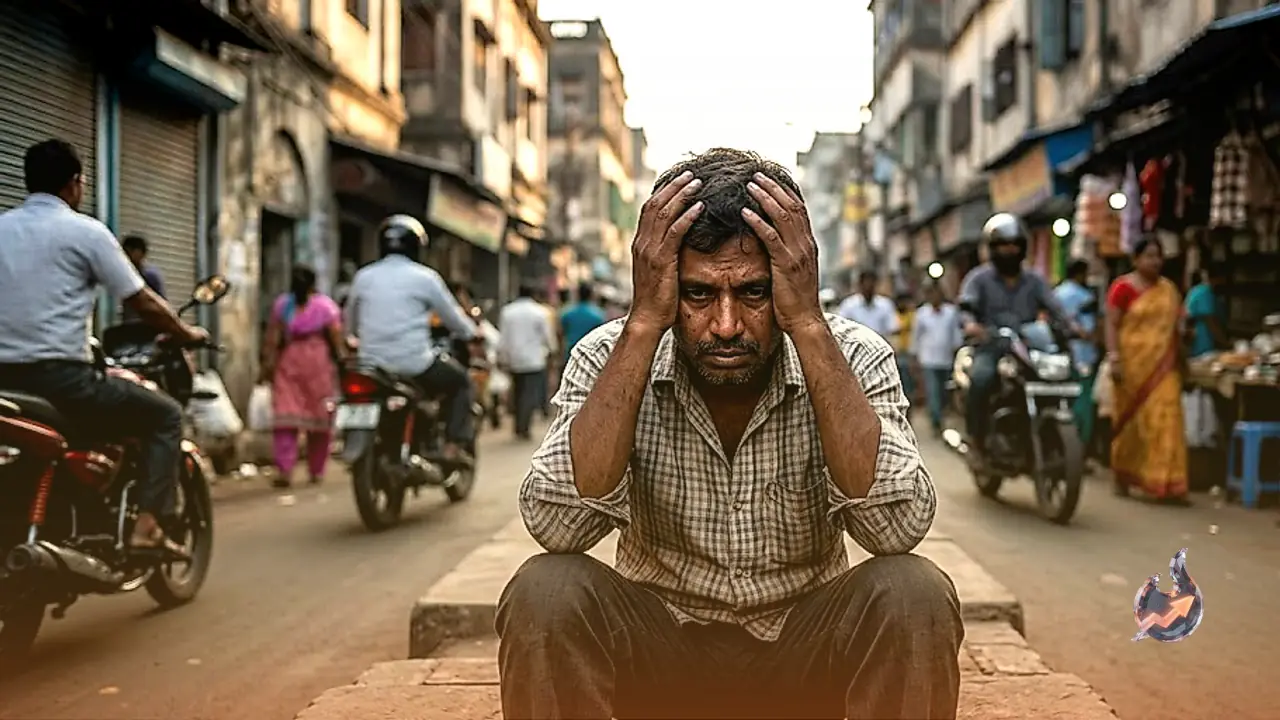

In Jaipur, a 25-year-old contractual nurse died by suicide following a job loss, an event that sparked widespread protests across Rajasthan. Meanwhile, in Madhya Pradesh, a final-year BTech student allegedly took his own life after facing persistent harassment from digital loan app agents. Similarly, in Uttar Pradesh, a mason ended his life just hours after his daughter’s wedding, with his family citing insurmountable debt incurred for the ceremony. These incidents are not isolated; they represent a broader, tragic reality where nearly three out of every four people who die by suicide in India are men. It is time to move beyond focusing on specific clusters and instead examine the fundamental changes in the lives of Indian men over the last decade.
The Growing Suicide Crisis and Its Roots
NCRB data indicates several contributing factors, but family issues and illness remain the most prominent causes. Together, these two factors account for nearly half of all suicide cases in India. Furthermore, financial stress, mounting debt, substance abuse, and interpersonal conflicts are frequent triggers. Mental health experts explain that these pressures rarely stem from a single sudden event; rather, they accumulate over months or years. A critical concern is that men are significantly less likely than women to seek professional help for depression or anxiety.
Are Employed Men More Vulnerable?
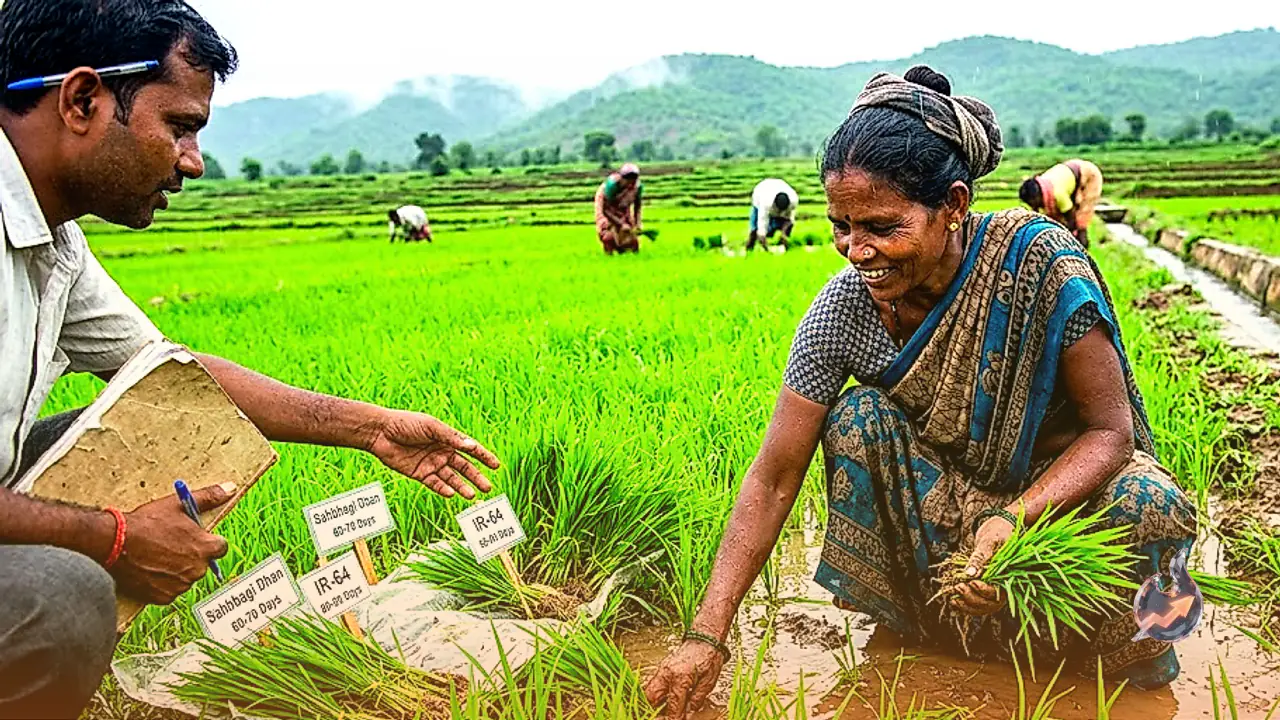
Possessing a job does not automatically guarantee emotional stability. The latest NCRB data shows that a substantial portion of those who die by suicide were gainfully employed. Rising household expenditures, loan repayments, job insecurity, excessive working hours, and the heavy societal expectation to be the family's primary breadwinner can leave many men feeling helpless. Daily wage earners constitute the largest occupational group among suicide fatalities in India. Additionally, tens of thousands of self-employed individuals and salaried professionals are affected annually. Experts note that financial distress is rarely an isolated problem; it usually interacts with family conflicts, poor mental health, or addiction to create an overwhelming burden.
The Rising Vulnerability Among Married Men
Marriage, while meant to be a support structure, often aggregates several complex pressures. Suicide cases categorized as marriage-related among men have nearly doubled between 2015 and the latest NCRB reports. This category encompasses divorce, the failure to settle into a marriage, extra-marital affairs, and dowry-related disputes. Such relationship breakdowns often overlap with financial instability or mental health issues, making them difficult to manage in isolation.
Emotional Isolation and the Reluctance to Seek Help
Loneliness is distinct from being physically alone. A man might maintain a job, a family, and a circle of friends, yet still experience profound isolation. Mental health experts suggest that many Indian men are socialized to suppress their emotions, solve problems independently, and avoid appearing vulnerable. Studies consistently find that men possess smaller emotional support networks than women, offering fewer confidants during a crisis. Many rely almost exclusively on a spouse for support, leaving them highly vulnerable if that specific relationship faces strain. Encouraging men to articulate their struggles and seek early intervention can significantly reduce the risk of emotional distress escalating into a crisis.
Adjusting to a More Equitable Society
Indian society has transformed rapidly over the past decade. More women are pursuing higher education, entering the workforce, earning independently, and making pivotal decisions previously reserved for men. The gross enrolment ratio for women in higher education has recently surpassed that of men. Furthermore, women are increasingly entering professions once dominated by men, from armed forces to commercial aviation. While legal systems now recognize greater equality in inheritance and divorce, many boys are still raised with the traditional belief that they must be the sole provider, protector, and decision-maker. When these rigid expectations collide with the reality of equal partnerships, some men struggle to adapt. Rather than embracing shared responsibilities, they may experience conflict, frustration, or a perceived sense of failure. While this does not explain every case, it represents a significant social shift that demands urgent attention.