





















The film Satluj was removed from the ZEE5 streaming platform less than 48 hours after it quietly premiered. Lead actor Diljit Dosanjh addressed the removal on social media, stating that what happened to the film mirrors the fate of Jaswant Singh Khalra, the human rights activist whose life story the movie portrays. After a four-year struggle involving multiple legal hurdles and censorship disputes, the film's sudden withdrawal has reignited interest in who Jaswant Singh Khalra was and why his findings in Punjab remain a subject of intense controversy.
The Investigation by Jaswant Singh Khalra
The 1990s in Punjab were marked by a violent separatist movement and the government's subsequent crackdown. Following the killing of Jarnail Singh Bhindranwale in the 1984 Operation Blue Star and the assassination of Prime Minister Indira Gandhi later that year, the atmosphere in the state became volatile. When Beant Singh assumed the role of Chief Minister in 1992, the Punjab Police, under DGP Kanwar Pal Singh Gill, initiated an aggressive anti-militancy campaign. This era saw thousands of young men vanish, with reports surfacing of illegal detentions and extrajudicial encounters.
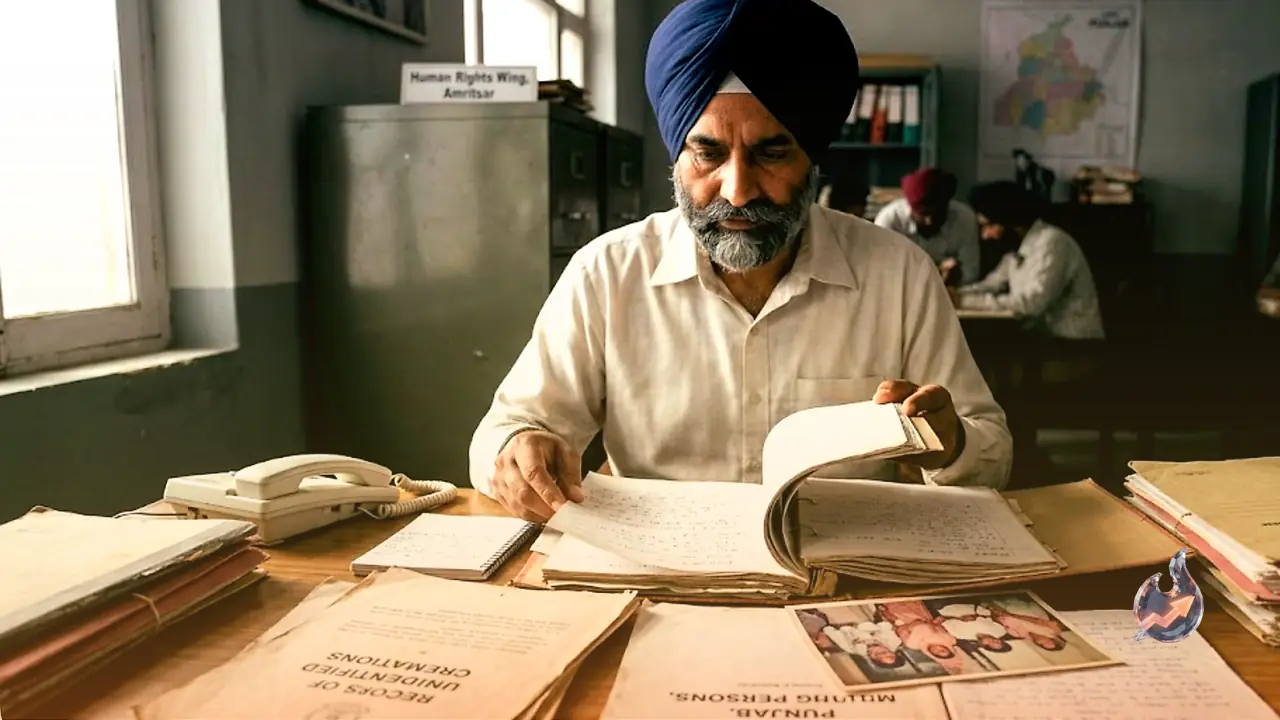
Jaswant Singh Khalra, born in 1952 in the Amritsar village of Khalra, was working at a bank when he became the General Secretary of the Human Rights Wing of the Shiromani Akali Dal in January 1995. He began his investigation after observing that families of the missing could not access their loved ones' bank accounts or claim government benefits without official death certificates. His research led him to cremation records in Amritsar, Patti, and Tarn Taran. At a press conference on 16 January 1995, he alleged that between 1984 and 1994, over 25,000 individuals were killed and cremated as unidentified bodies. He presented documentary evidence, calling the events state-sponsored killings. The then-DGP KPS Gill dismissed these claims, arguing that the youths had migrated abroad using forged documents.
Abduction and the Pursuit of Justice
Tensions surrounding his investigation reached a peak when Jaswant Singh Khalra was abducted from outside his Amritsar home on 6 September 1995. The CBI subsequently concluded that he was kidnapped by Punjab Police officers, tortured, and murdered, with his body disposed of in the Harike canal. His wife, Paramjit Kaur, fought a long legal battle to bring the perpetrators to justice, eventually forcing a CBI probe.
In November 2005, a Patiala court convicted four officers for kidnapping, and DSP Jaspal Singh and Amarjit Singh were sentenced to life imprisonment for murder. In 2007, the Punjab and Haryana High Court acquitted Amarjit Singh but upheld life sentences for the others. The Supreme Court confirmed this verdict on 11 April 2011. CBI reports eventually acknowledged that 2,097 bodies, including 984 in Tarn Taran alone, had been cremated as unclaimed, supporting the assertion that many innocent civilians had been killed during the period.
Release Controversy and Future Prospects
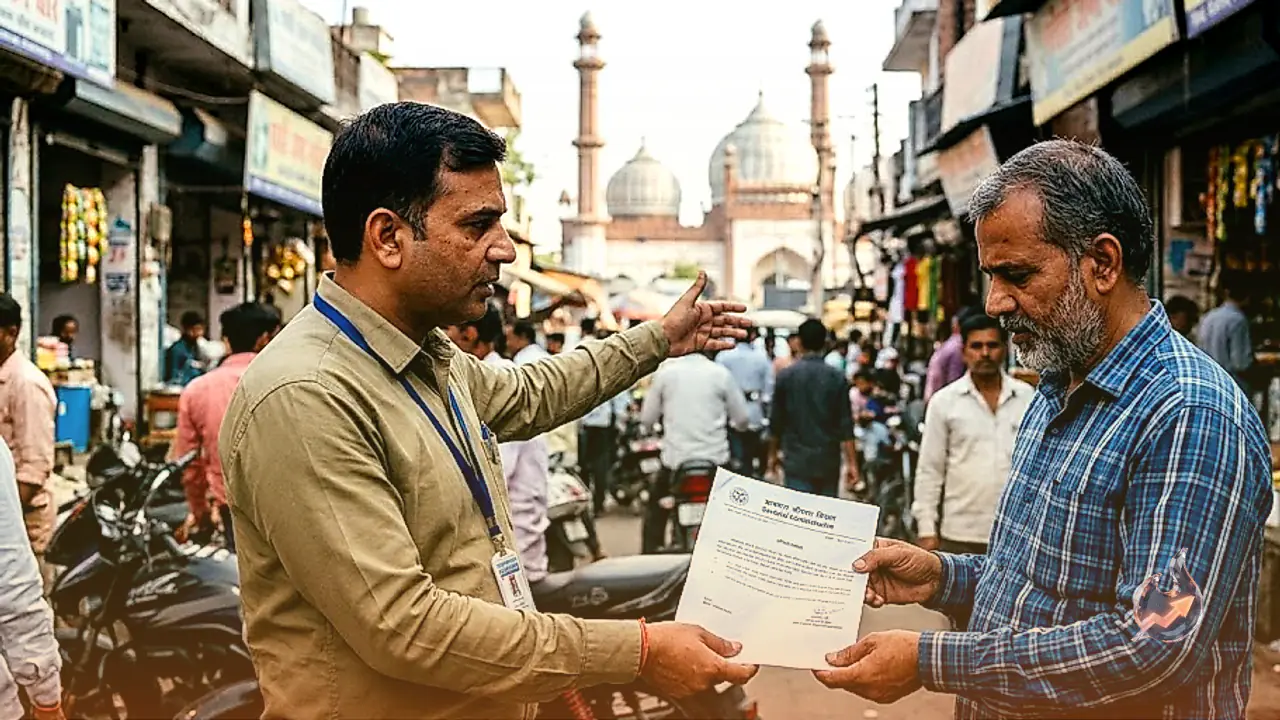
Writer Niren Bhatt has insisted that Satluj is not anti-national but rather a documentation of a banker's fight for justice for victimized families. The film faced a tumultuous journey, having been initially titled Ghallughara, then Punjab 95, and finally Satluj. Although the CBFC cleared the film with 21 cuts in 2022, director Honey Trehan reported that officials later demanded further changes, including the removal of Khalra's name, references to the police, the national flag, and Gurbani. Following a series of legal challenges and the cancellation of its 2023 Toronto International Film Festival premiere, the film was released on ZEE5 on 3 July 2026 without an official announcement.
Following its removal from the platform, an RSVP Movies spokesperson attributed the takedown to government orders, while official sources claimed the film lacked proper certification and could be misused. Despite OTT platforms not requiring the same CBFC certification as cinema, the government remains empowered to block content under the Information Technology Act. As ZEE5 explores legal avenues to restore the film and creators look toward the High Court, the debate continues over the balance between national security and the documentation of historical events.