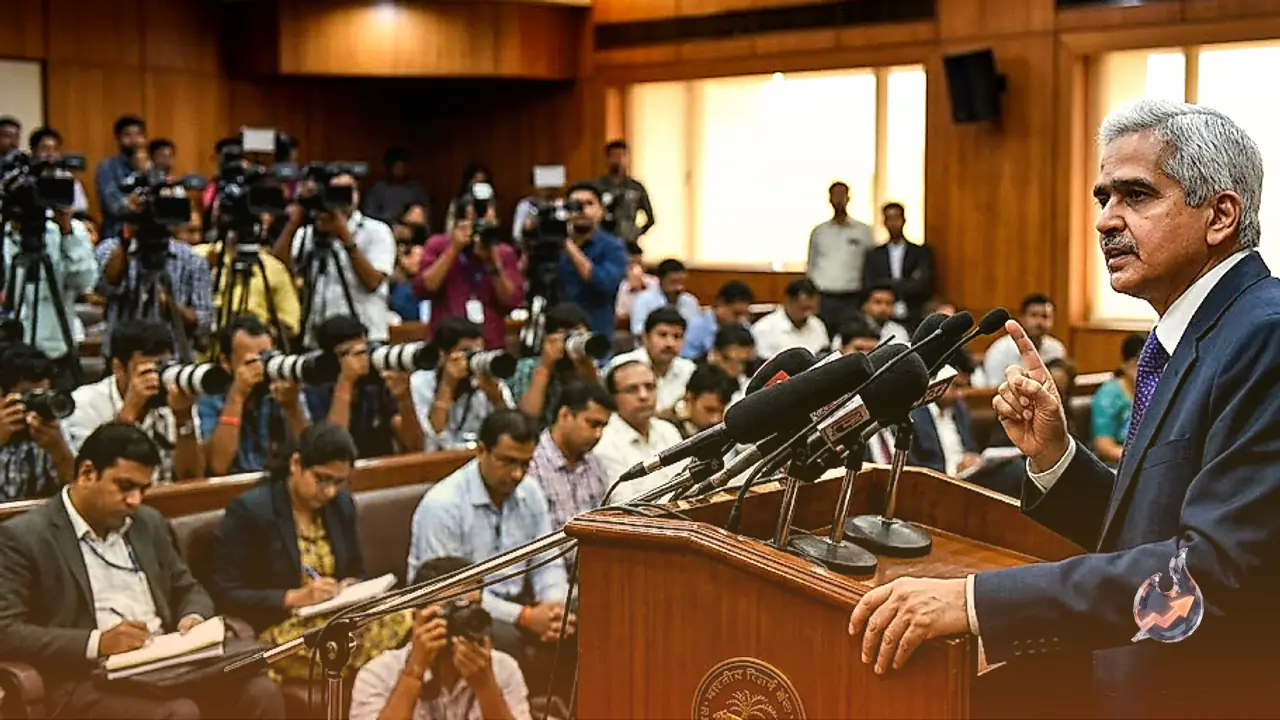

























The long-cherished dream of studying overseas is losing its shine, and the numbers make it hard to argue otherwise. Data shared by the Union government in Parliament shows that while more than 9.08 lakh Indians went abroad for higher education in 2023, that figure slipped to 7.7 lakh in 2024 and fell further to just 6.26 lakh in 2025. That is a drop of over 31% in only two years. The obvious question follows: is the study abroad dream genuinely fading, or are students simply picking different countries and different opportunities?
Why fewer Indians are packing their bags
A big part of the answer lies in shifting policies abroad. Several countries have tightened their student visa rules, made post-study work pathways far less certain and stepped up financial checks on applicants. At the same time, tuition fees, rent and everyday expenses have climbed sharply, turning an overseas education into a much heavier financial commitment.
A recent HSBC survey found that many Indian families now weigh return on investment above almost everything else, asking whether a foreign degree will actually lead to a well-paying job. Education consultant Vijay Kumar Chaudhary put it plainly on LinkedIn: ‘Families aren't quitting. They're calculating.’ It is this mix of higher costs and lower certainty that is pushing so many students to rethink their plans.
Are students choosing Indian colleges instead
For a lot of them, the answer is yes, though not always for the same reason. Some are staying back because they now see stronger opportunities at home, while others simply cannot justify the expense of going abroad.
Several Indian institutions have also climbed the global rankings in recent years. In the latest QS World University Rankings 2027, 12 Indian universities featured among the world's top 500, the country's best showing so far. Private universities, meanwhile, have expanded courses in fields such as artificial intelligence, data science and business. Students today have a wider spread of choices in front of them.
- Prepare for competitive exams such as GATE, CAT and UPSC.
- Join Indian start-ups or multinational companies after graduation.
- Pursue online degrees or professional certifications while working.
Education experts say students are no longer asking only, ‘Where can I study?’ Increasingly, the real question is, ‘Will this degree be worth the money I spend?’
Has working abroad also lost its appeal
Plenty of Indians still want to build careers overseas, but the road there has grown harder. Earlier, a foreign degree often opened the door to a post-study work visa and eventually a full-time job. Now several countries have tightened their immigration rules, making that transition far less predictable. As a result, some students are choosing to build work experience in India first before applying for jobs abroad. Even so, skilled Indians continue to move overseas on employment visas, particularly in certain in-demand sectors.
How the falling rupee made it costlier
Most universities abroad charge their fees in their own currency. So when the rupee weakens against the US dollar, the British pound or other foreign currencies, Indian families end up paying more even if the university never raises its fees. And the impact reaches well beyond tuition, spilling into accommodation, living costs and everything in between.
Take a simple example: if a course costs US$50,000, every one-rupee fall against the dollar adds about ₹50,000 to the final bill. Similar increases quietly pile on to the living expenses that have to be paid month after month.
Do students back out even after getting in
Landing an admission letter is only the first step. Students still have to arrange the funds, secure a visa and stay confident that the whole investment will eventually pay off. Some now defer their admission by a year, switch to a different country, or pull out altogether if costs jump unexpectedly or visa rules change before they even leave. A sudden spike in tuition or living costs is often what tips the decision.
Why foreign universities are setting up in India
Until recently, Indian students had no choice but to move abroad to earn a degree from a foreign university. Now some international universities are bringing that education to India instead. The shift follows the University Grants Commission's 2023 regulations, which allow eligible foreign universities to open campuses in the country.
Since then, several institutions have announced campuses or begun offering courses in places such as GIFT City and Navi Mumbai. Deakin University, University of Wollongong, University of Southampton, University of Liverpool and Illinois Institute of Technology are among those that have announced or started campuses in India. For these universities, India is one of the world's largest higher education markets. Many are also grappling with slower growth in international student enrolments back home, which makes India an especially attractive place to expand.