






















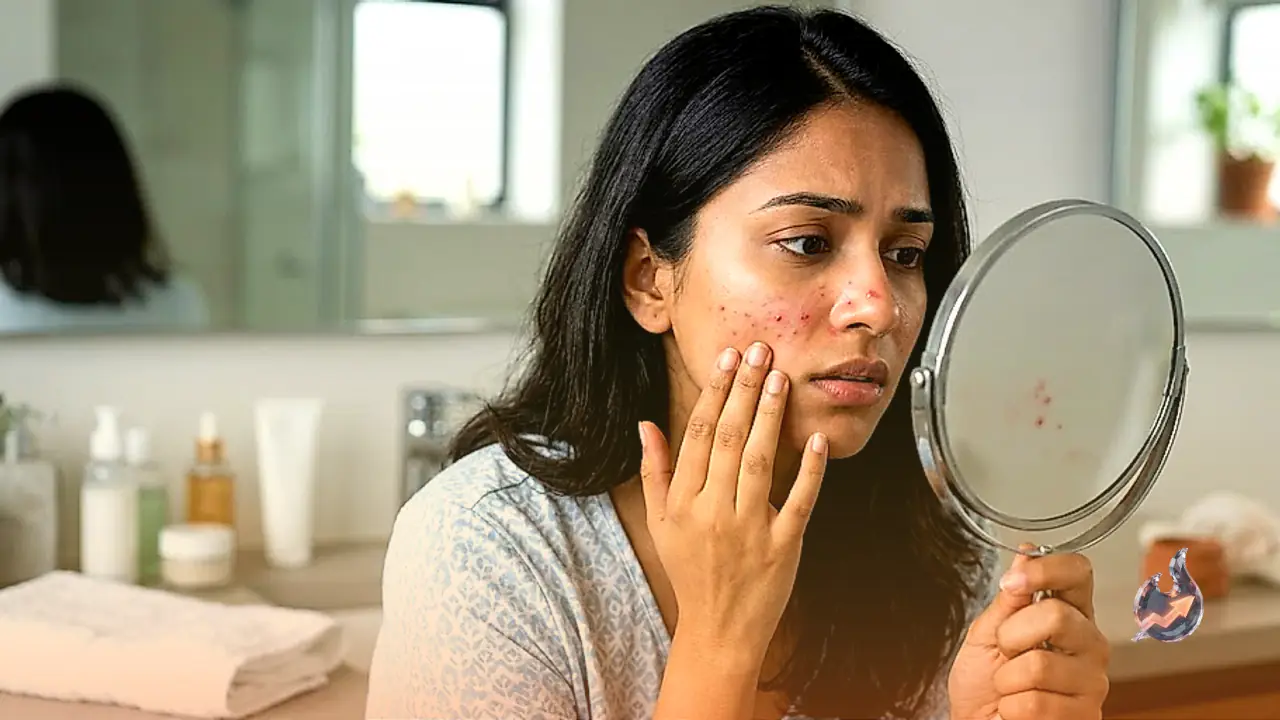

Face packs are one of the most common tricks people reach for when chasing glowing skin, but not every face pack agrees with every skin type. Sometimes, within a short while of applying one, small pimples or bumps start showing up on the face. This does more than ruin the look of the skin, it also brings along irritation and itching. If this has happened to you, there is no need to panic, but it does help to understand exactly why it happens and how to avoid it.
What actually causes the breakout
The most common trigger is an allergic reaction. Certain chemicals, strong fragrances, or even natural ingredients like lemon or honey mixed into a face pack simply do not suit every skin, and the skin reacts by breaking out in pimples. The second big reason is clogged pores. Many face packs are heavy or oil based, and they end up sitting over the pores rather than letting them breathe. Trapped dirt and sebum underneath then gradually turn into pimples. A third cause is over exfoliation. Scrubbing the skin right before or immediately after a face pack weakens the skin's protective outer layer, making it more sensitive and more prone to breaking out. On top of this, fake or expired products are a major culprit. A poor quality product reacts on the skin almost instantly, leading to pimples or rashes.
5 simple ways to prevent it
The first and most important step is a patch test. Before applying any new face pack all over the face, apply a small amount behind the ear or on the skin of the arm and leave it there for 24 hours. Only if there is no irritation, redness or rash should it then be used on the face. The second step is picking a face pack that actually matches your skin type. Those with oily or acne prone skin should go for face packs containing charcoal, multani mitti or salicylic acid, while those with dry skin should choose hydrating packs. Picking up any random pack without thinking it through should be avoided.
The third step is getting the timing and technique right. A face pack should not be left on the skin for more than 15 to 20 minutes. It should also not be allowed to dry out completely, since that can strip away the skin's natural moisture. While removing the pack, the face should be cleaned by gently patting with water rather than rubbing it off. The fourth step is moisturising immediately after. Once a face pack is washed off, the skin turns slightly dry, which makes the oil glands more active and causes them to produce more oil. To prevent this, a lightweight, non comedogenic moisturiser or aloe vera gel should be applied right after removing the pack. The fifth and final step is paying close attention to hygiene. Whether it is the brush used to apply the pack or your own fingers, both need to be completely clean. Applying a face pack with dirty hands brings bacteria into direct contact with the skin, and that alone can become a major reason for pimples.