























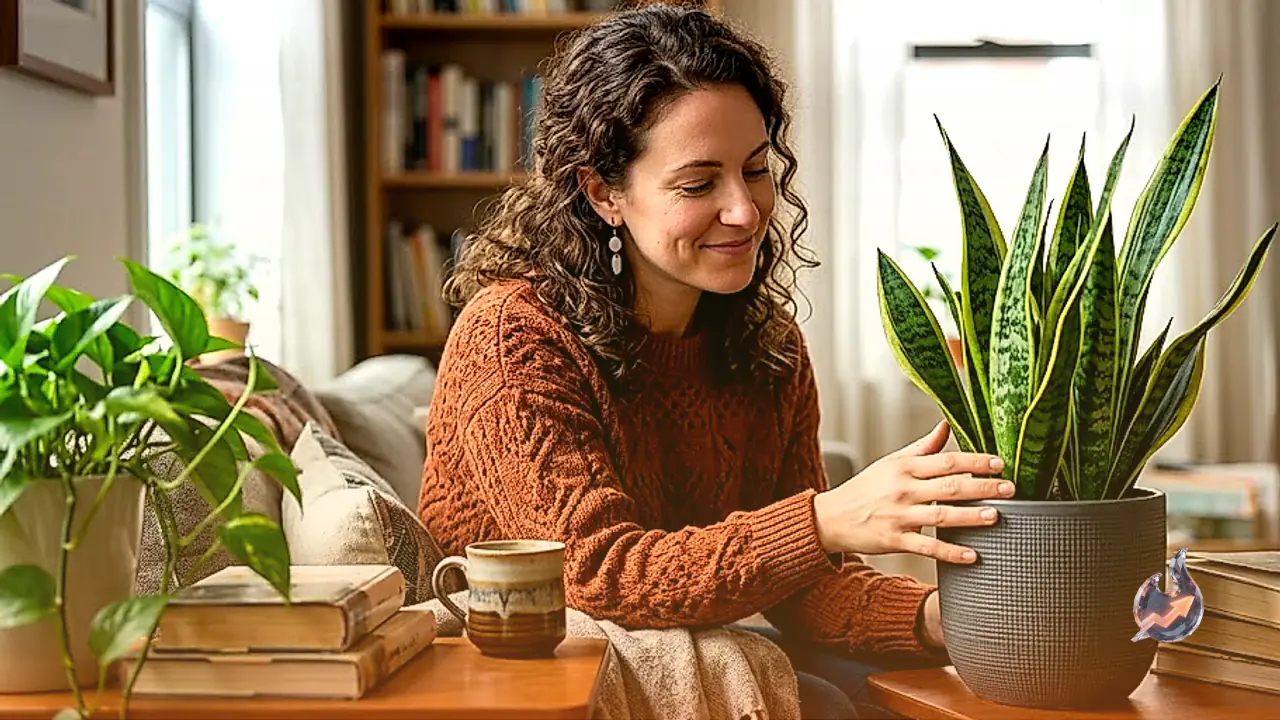

Indoor gardening has moved well beyond decoration, and one plant keeps showing up in almost every list of easy houseplants: the snake plant. Its tall, sword shaped leaves give a room an instant modern edge, and its reputation for surviving neglect makes it the default pick for anyone bringing a plant home for the first time. But the growing demand for this plant goes beyond looks alone.
What it does for indoor air
Most people now spend the bulk of their day indoors, whether at home or in the office, which makes indoor air quality a bigger concern than it used to be. Some scientific studies have pointed to plants like the snake plant playing a role in lowering the level of certain chemical pollutants in the air. That said, it is not a replacement for an air purifier. Placed in a well ventilated room, though, it can still contribute to a fresher feeling atmosphere, which is likely why it turns up so often in living rooms, study corners and on office desks.
Thrives on low light and minimal care
One of the snake plant's biggest selling points is how well it copes with low light. While many houseplants demand bright sun and daily attention, this one grows just fine under ordinary room lighting. That makes it a dependable choice for people who do not have much time to spend on gardening. The key to keeping it healthy long term is watering only after the soil has completely dried out. Overwatering, on the other hand, raises the risk of root rot, so restraint with the watering can matters more than frequency.
A small dose of calm
Having greenery at home is not just about how a space looks. Many people find that spending time around plants brings a sense of mental relief. After long hours of work, seeing a bit of natural green in the room can ease stress to some extent. That is also why people working from home have taken to keeping a snake plant near their workspace. Its clean, minimal shape lifts the look of a room without requiring any real effort.
Tips before you bring one home
Anyone planning to get a snake plant should place it somewhere it gets indirect light rather than direct sun. Check the soil's moisture once a week and water only when it is actually needed. Wipe the leaves down with a soft cloth from time to time so dust does not build up on them. And if there are small children or pets at home, it is safer to keep the plant a little out of their reach.