






















In contemporary times, most households rely heavily on refrigerators to keep milk fresh and prevent spoilage. However, have you ever considered how people managed to preserve milk about 100 years ago, long before electricity and modern cooling appliances became common? Especially during the sweltering summer months, when high temperatures can spoil milk within mere hours, our ancestors employed a straightforward yet incredibly effective traditional method to extend the shelf life of dairy.
The Fundamental Rule: Immediate Boiling
In the past, the moment milk was delivered or collected, it was immediately boiled thoroughly. This action was the primary step in reducing the presence of bacteria that typically accelerate the spoilage process. After boiling, the milk was allowed to cool down naturally in a protected area and then stored in clean steel containers or traditional earthen pots, which helped maintain a cooler internal temperature.
The Strategy of Repeated Boiling
The core success of this method lay in the fact that the milk was not left idle after the initial boil. During the peak of summer, the milk was re-boiled every 8 to 10 hours. In cases of extreme heat, a third boil was often performed. This frequent heating significantly slowed down bacterial growth, ensuring that the milk remained fresh for a much longer period than it would have otherwise.
Influence of Household Architecture
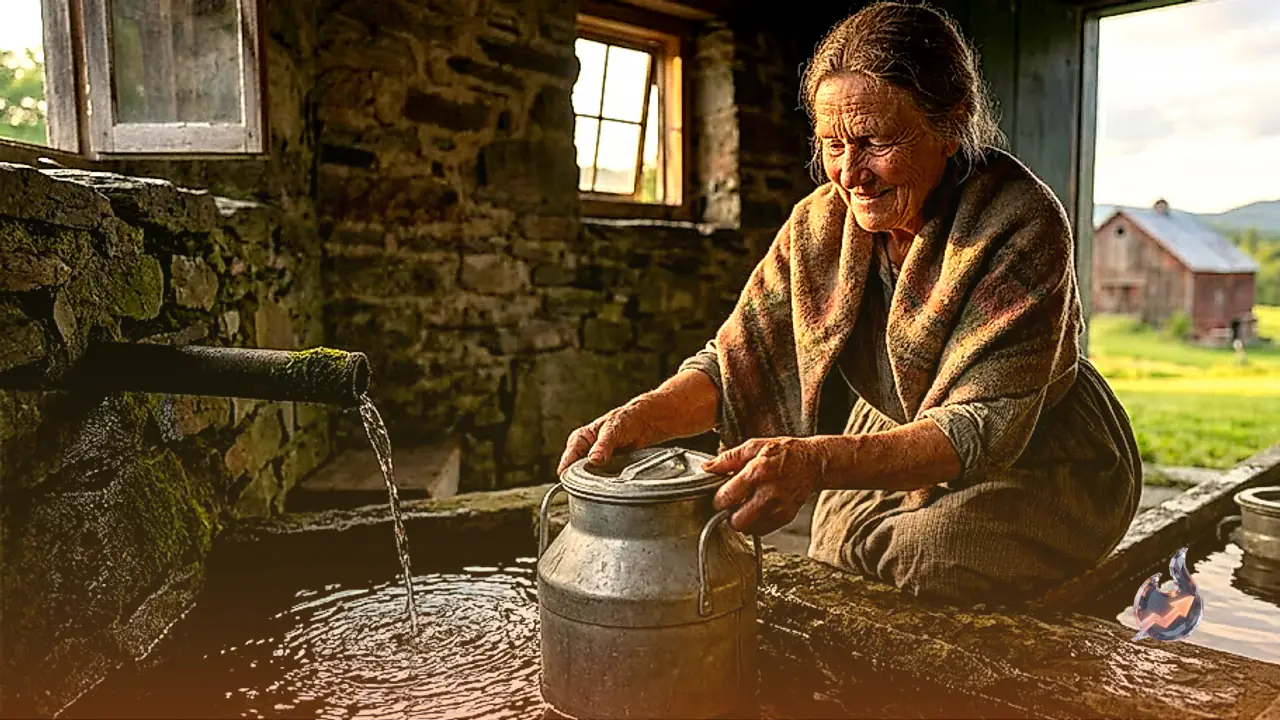
The design of older homes also contributed significantly to food preservation. Features like thick walls, well-ventilated rooms, and cool flooring kept the indoor environment significantly cooler than the outdoor heat. Many households placed milk containers inside a shallow tray filled with water, which provided a gentle, constant cooling effect. Additionally, milk kept in earthen pots remained relatively chilled due to the slow evaporation of moisture from the pot's surface.
Hygiene and Handling Practices
Our ancestors strictly followed simple hygiene rules to ensure longevity. Milk was always kept covered to prevent contamination from dust or airborne pollutants. Only cleaned utensils were used for extracting milk. Furthermore, if fresh milk was added to previously boiled milk, it was mandatory to boil the mixture thoroughly again to ensure the freshness of the older batch remained uncompromised.
Benefits of Cream and Ghee
Constant boiling also led to the formation of a thick layer of cream (malai) on the surface of the milk. Women in the household collected this cream over several days to churn it into butter and eventually produce homemade ghee. In this way, the method of milk preservation seamlessly integrated into the household's culinary traditions.
Practicality in Modern Times
Although refrigerators are accessible today, this 100-year-old technique remains a vital backup during power outages or while traveling in remote areas. While experts suggest that in normal circumstances, refrigerating milk is superior because repeated heating can diminish some heat-sensitive nutrients, this traditional method remains a highly practical and proven solution for storing milk where modern cooling is not an option.