






















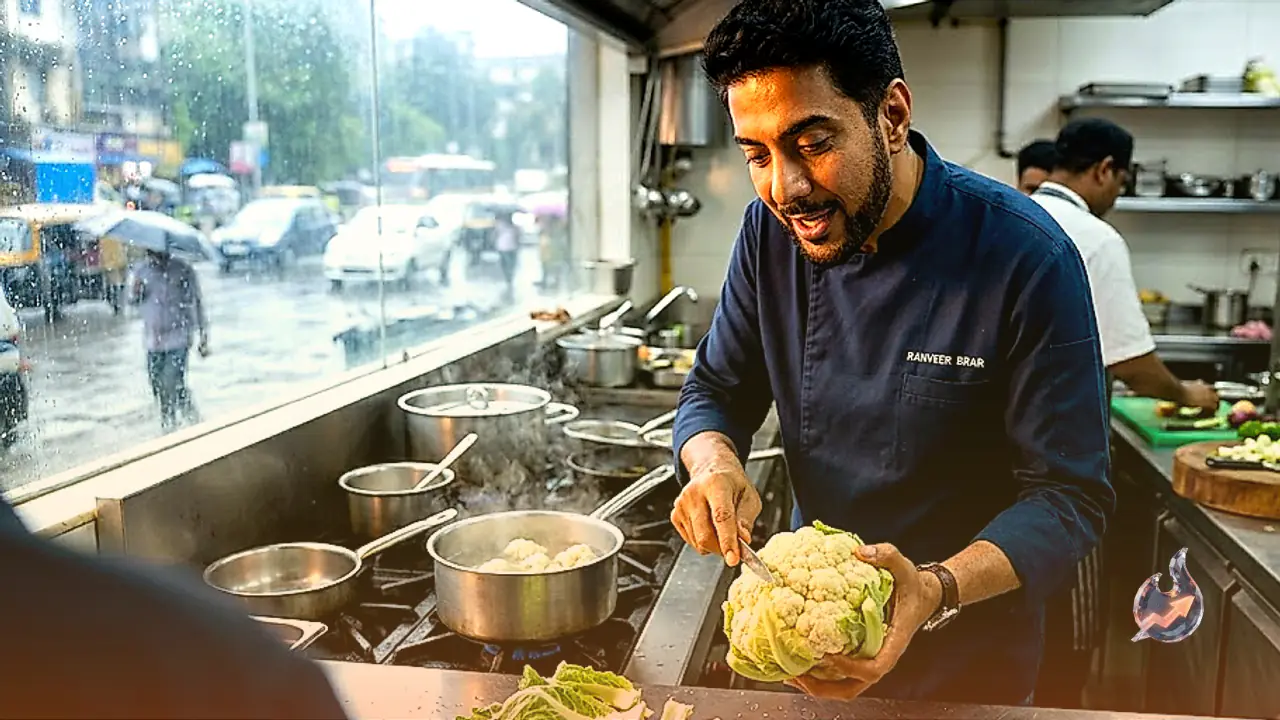

The monsoon season brings a refreshing change in weather along with a variety of delicious seasonal produce, including fresh cauliflower. However, this damp climate also increases the risk of insects, bacteria, and dust particles getting trapped within the tight florets of the vegetable. Consuming cauliflower without thorough cleaning or proper cooking during these months can lead to severe stomach infections and digestive issues. To ensure you do not compromise on either safety or taste, renowned culinary expert Chef Ranveer Brar has shared essential guidelines on how to clean and cook cauliflower correctly during the rainy season.
The Correct Way to Clean Cauliflower
Never rush to cook cauliflower straight out of the shopping bag. The first step should always be to cut the head of the cauliflower into smaller, individual florets. Before cooking, prepare a deep bowl of lukewarm water and mix in a generous amount of salt and turmeric powder. Submerge the florets in this mixture and let them soak undisturbed for about 10 to 15 minutes. Turmeric acts as a natural disinfectant, while the warm saline water coaxes out any hidden insects, worms, and deep-seated grime from the crevices. Once soaked, rinse the florets thoroughly under clean running water.
Avoid Overcooking to Retain Nutrients
According to Chef Ranveer Brar, overcooking cauliflower is a common mistake that ruins its overall appeal. Leaving the vegetable on the stove for too long degrades its vibrant color, compromises its distinct flavor, and strips away vital nutrients. Instead of cooking it until it turns mushy, aim to keep it slightly crunchy. Cook it over medium heat only until it is tender yet retains a gentle bite, ensuring both the nutritional value and the texture remain intact.
Initiate the Cooking Process on High Heat
To secure a perfect texture, always begin cooking cauliflower on high heat. Start by heating your cooking pan or kadhai thoroughly on the stove. Once hot, pour in some oil and add your tempering spices. Let the spices splutter before tossing in the prepared cauliflower florets. Starting on high heat helps sear the exterior of the vegetable, ensuring it holds its structure well and does not release excess moisture, which would otherwise make the dish soggy.
Do Not Cook Under a Closed Lid for Too Long
Covering the pan with a lid for an extended period can backfire when preparing cauliflower. Prolonged steaming under a closed lid traps excessive moisture inside, making the florets soft, watery, and mushy. To avoid this, cook the dish uncovered for most of the time, stirring it gently at regular intervals. This allows the steam to escape, keeping the vegetable firm and perfectly cooked.
Incorporate the Right Balance of Spices
Since cauliflower can sometimes cause bloating or gas, pairing it with carminative spices is highly beneficial. Utilizing spices like turmeric, cumin seeds, fresh ginger, garlic, and coriander powder not only enhances the flavor profile but also significantly aids digestion. Once the dish is completely cooked and off the flame, garnish it with freshly chopped coriander leaves and a pinch of warm garam masala to elevate its aroma and taste.
Critical Checks While Buying Cauliflower
During the rainy season, you must be extremely selective when purchasing vegetables. Do not buy cauliflower if you notice dark spots, blemishes, any signs of decay, or an unpleasant smell. Always opt for fresh, firm, and clean white heads during the monsoon. By following these practical culinary tips shared by Chef Ranveer Brar, you can safely enjoy delicious and hygienic cauliflower dishes throughout the wet season.