




















During the rainy season, homes face the common problem of moisture leading to termite infestations in furniture. While termites are tiny, they can silently hollow out wooden wardrobes, doors, windows, and other valuable items from the inside out. The most frustrating aspect of this issue is that damage often becomes visible only after it has reached a severe stage.
Identifying Signs of Infestation
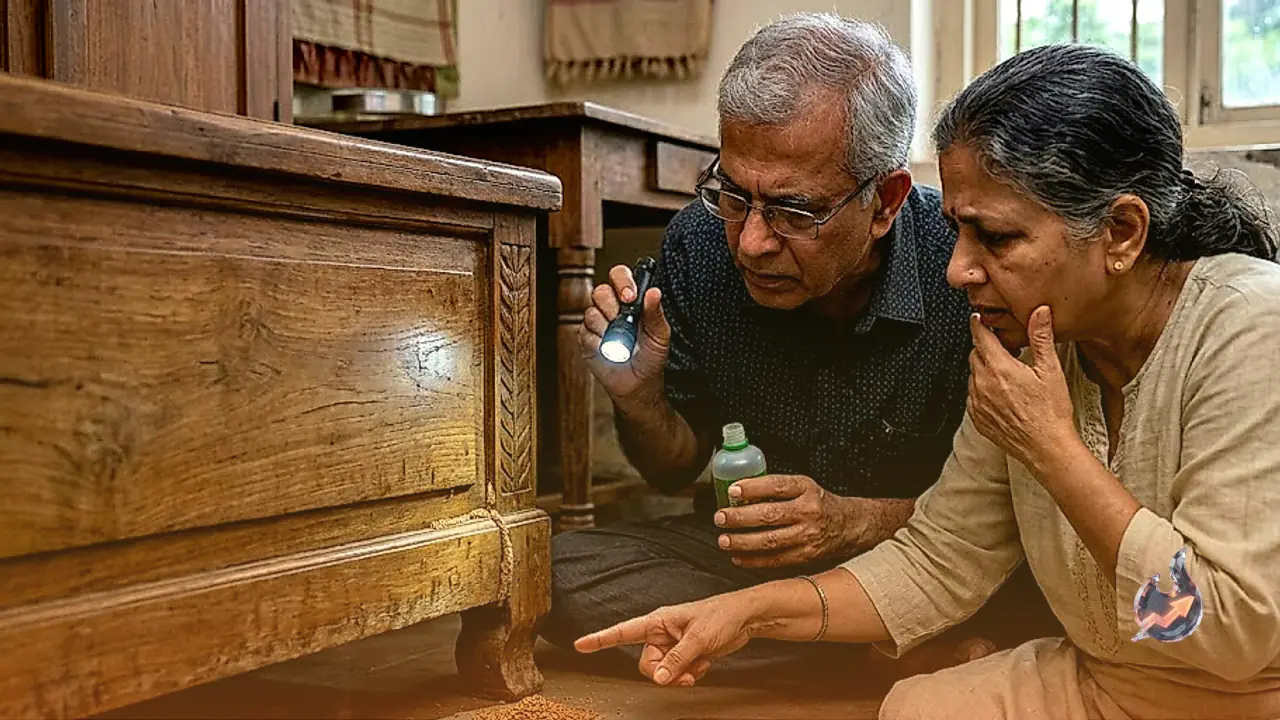
Since termites thrive hidden deep within wood or inside the soil, they are rarely spotted until it is too late. If you press against your wooden items and notice that they feel weak or hollow, it is a clear sign that termites are active inside. Additionally, the presence of thin tunnels or lines made of soil on walls, floor corners, or crevices is a strong indication of their presence. If you spot winged termites flying around your home during the monsoon, you should immediately take action, as this indicates a nearby colony.
Why Wood Attracts Termites
Termites feed primarily on cellulose, a structural component found in wood. They are naturally drawn to damp, decaying, or broken wood that has been exposed to moisture for an extended period. Furniture that remains in direct contact with the ground is often the most susceptible to being compromised. The increased humidity levels during the monsoon create the perfect environment for their rapid multiplication.
Effective Home Remedies for Elimination
If you have identified termite activity in your furniture, certain household remedies can be highly effective in dealing with the problem. Neem oil, clove oil, and kerosene are considered potent enemies of termites. Carefully apply these oils to the affected areas using a cotton swab. Consistent application over a few days will lead to a significant reduction in the termite population.
Essential Preventive Measures
- Place your furniture out in the sun at regular intervals to remove hidden moisture.
- Ensure that your home remains free from dampness and water seepage.
- Keep wooden furniture slightly away from walls to allow for proper airflow.
- Store extra wooden scraps or surplus furniture only in dry, well-ventilated storage spaces.
- Conduct a thorough inspection of all your wooden items periodically throughout the monsoon season.