
Keeping plants green and healthy takes more effort than it looks. Anyone who loves gardening knows that every change of season brings a fresh round of trouble, and the rainy months are the friendliest time of all for pests. During this period plants come under attack from all kinds of insects, and among the most common and most annoying are mealybugs, which look like tiny scraps of cotton stuck to the plant.
What Exactly Are These White Bugs
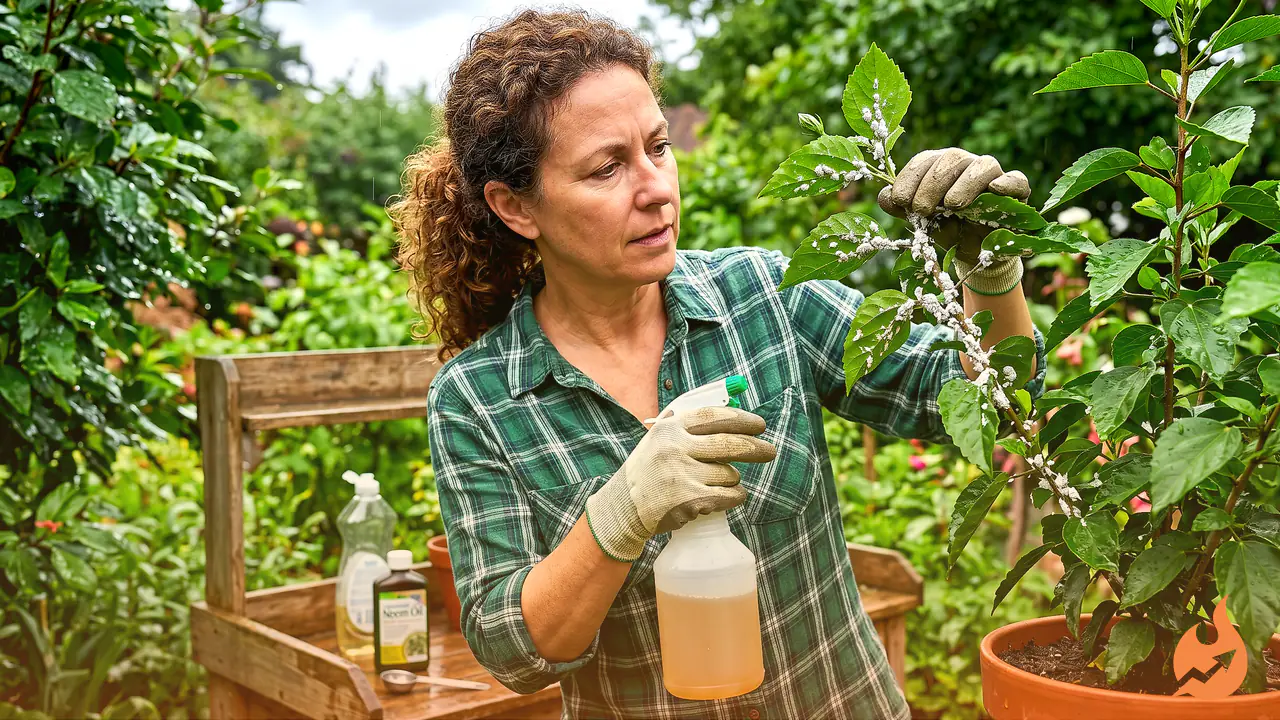
Mealybugs are very small white insects, and their bodies are coated with a waxy white layer. That coating is what gives them the look of cotton or white mould, which is why people often fail to recognise them at first glance. They attach themselves to the leaves, stems and fresh buds of plants. Most of the time they hide on the undersides of leaves, at the joints of stems and on newly sprouting branches, places the eye does not easily reach.
Why Ignoring Them Costs the Plant Dearly
These tiny insects keep sucking the sap out of the plant, which directly affects its growth and can even stall it completely. If they are not removed in time, the plant starts to weaken, its leaves can turn yellow and it begins to produce fewer flowers and fruit than before. The biggest problem is how fast they multiply. They grow very quickly and move easily from one plant to the next, which is why it is important to bring them under control right at the start.
You Do Not Always Need Expensive Chemicals
Tackling these bugs does not always call for costly or harsh chemicals. A few simple, inexpensive home remedies can do the job just as well. All you really need are two things, neem oil and dish soap.
How to Make the Neem Oil and Dish Soap Home Spray
Gardening experts consider neem oil quite effective for natural pest control. The natural compounds in neem help block the activity of many kinds of insects. When it is mixed with a little dish soap, the solution reaches the bugs sitting on the leaves far more effectively.
To make the spray, mix one to two spoons of neem oil into one litre of water. Add a few drops of mild liquid dish soap and stir the mixture well. Then pour the solution into a spray bottle.
Keep These Points in Mind While Spraying
Spray the solution onto the affected leaves, stems and any spots where the white bugs are visible. Do not forget the undersides of the leaves, since mealybugs often hide there. Early morning or evening is considered the better time to spray, because spraying in harsh sunlight can affect the leaves of some plants. Before using it for the first time, it is wise to test it on a single leaf. If the bugs are present in large numbers, the spray can be repeated at intervals of a few days.