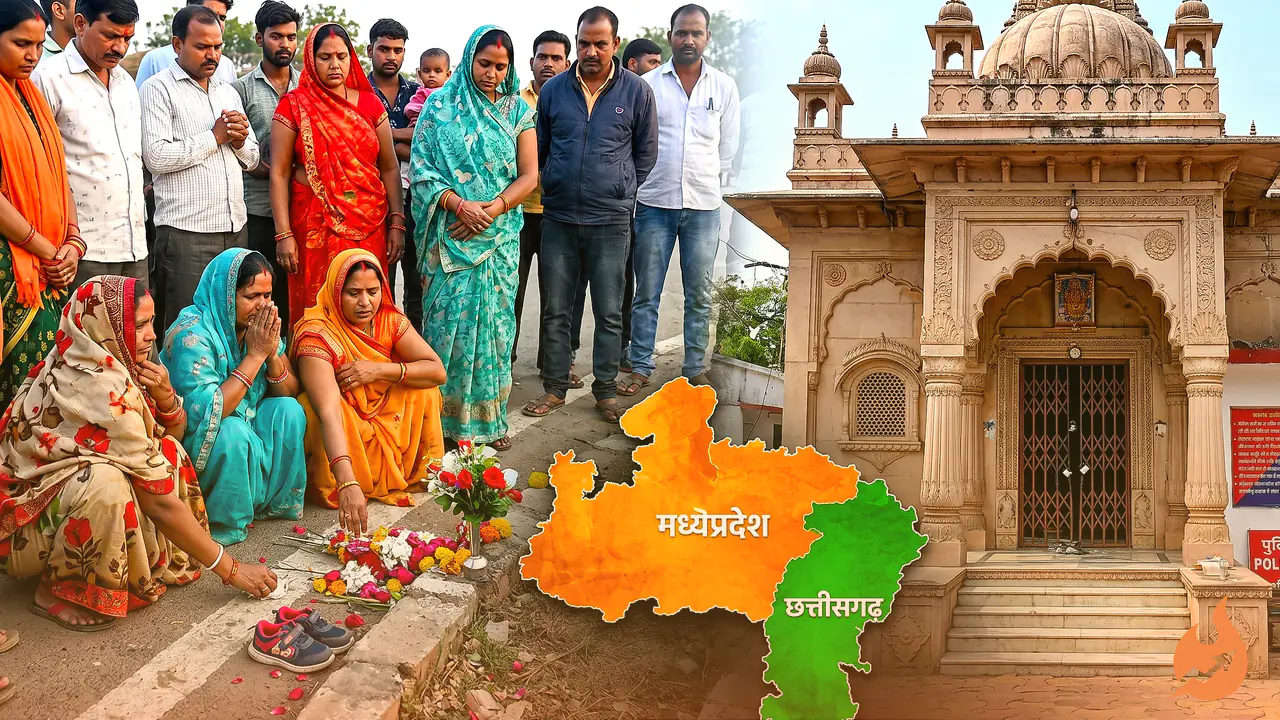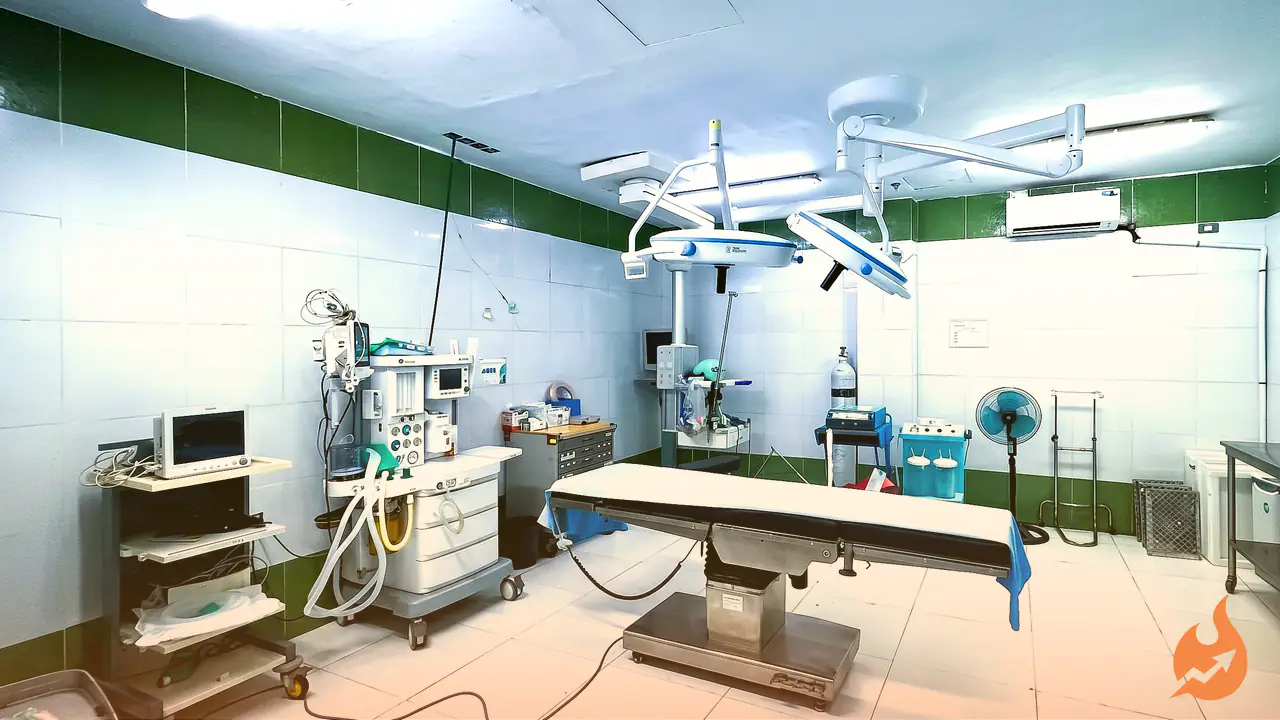

A new hospital is supposed to bring relief, but in Mandleshwar of Madhya Pradesh's Khargone district the experience has been the opposite. A 50-bed civil hospital, built at a cost of around Rs 10 crore, is now up and running — yet a shortage of basic facilities has turned it into a place of hardship. Specialist doctors are posted here, but the equipment and resources needed for tests and treatment have not arrived. As a result, patients are being treated on medicines alone for now.
Why the Hospital Was Built
Mandleshwar earlier had a 30-bed community health centre. With the number of patients climbing steadily, that centre had become too small, and serious cases had to be sent 50 to 70 kilometres away to the Khargone district hospital. To fix this, the government upgraded the facility to a civil hospital and constructed a new building. It was inaugurated on 1 June 2026, and treatment began here just two days later.
Two Weeks On, Still in Disarray
Two weeks have passed since the hospital opened, yet arrangements remain far from settled. The building does not even carry a civil hospital signboard. Because of this, people arriving for treatment walk straight into the old building, and only after finding it empty and asking around do they make their way to the new one. The failure to arrange basic facilities before shifting is now being paid for by patients, doctors and staff alike.
Water Crisis: Even the Coolers Are Just for Show
Water is the most acute problem here. Only two 20-litre cans are kept for drinking, and they run dry within an hour or two. After that, patients and their families spend the rest of the day searching for water. The toilets have no water supply either, forcing people to walk all the way to the old building to fetch it. Coolers have been installed in the wards to beat the heat, but with no water they have been reduced to a mere formality.
When the Power Goes, the Hospital Plunges into Darkness
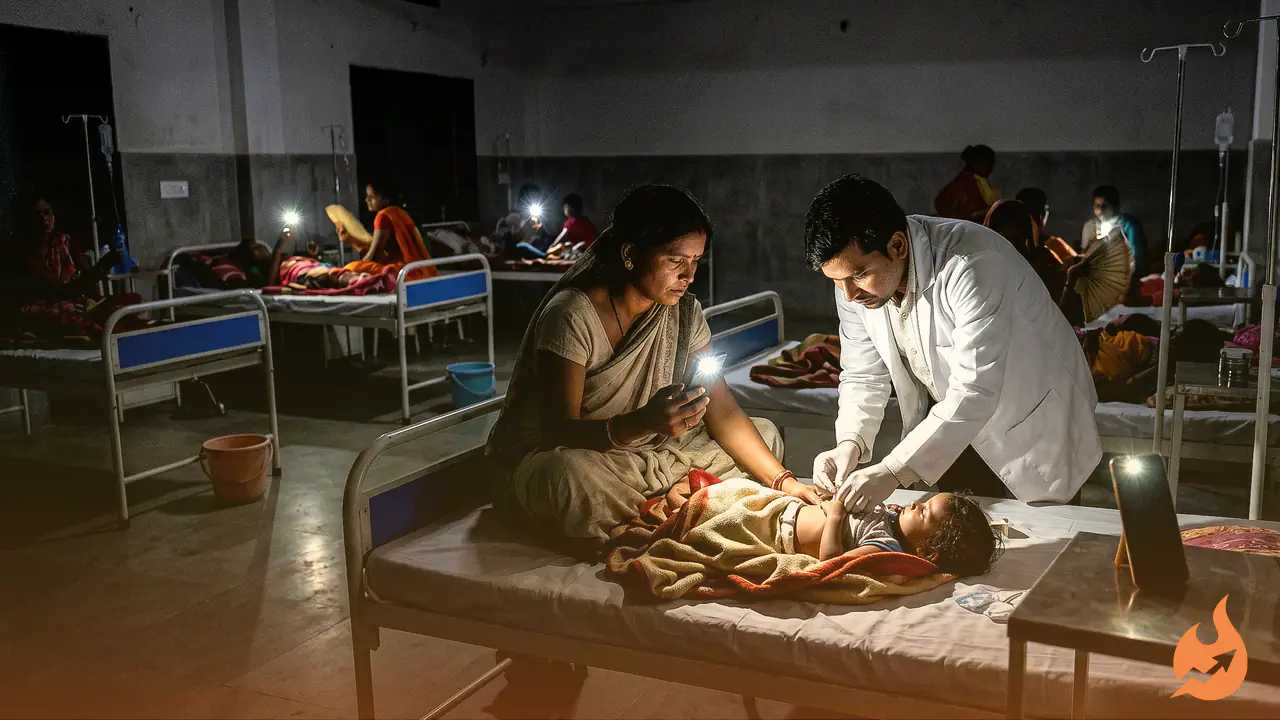
The trouble does not stop at water. The moment the city loses power, the entire hospital sinks into darkness. From the general ward to the delivery ward and the operation theatre, patients are left for hours in heat and darkness. In the emergency room, doctors and staff are forced to set up IV bottles and stitch wounds by the light of a mobile phone torch. The hospital has neither an inverter nor any other emergency power arrangement. According to information, the new hospital is being run on the solar panels and generator installed at the old building — but the old system simply cannot bear the full load of the new structure, which is why power problems keep recurring.
Voices of the Patients' Families
Poonam Verma, who came from Thangaon village to admit his wife, says that because there is no water in the toilet, he has to carry water along, and there is no facility even to wash clothes or utensils. One can is kept for drinking in the morning and evening, and it empties within minutes. Another visitor, Vikas Yadav, says that for water one has to either go to the old hospital or buy it from the market.
What the Administration Says
Responding to these complaints, BMO Dr Atul Gaud said a signboard would be put up on the building soon. He explained that the water problem arose because the hospital's borewell had dried up, but a new connection has now been taken from the Nagar Parishad to provide a 24-hour water line, and a water cooler has also been installed for drinking water. On electricity, he admitted that the old hospital's solar system is too small for the needs of the new building, and a request for a new 10-kilowatt solar system has been sent to the government. For now, a generator line has been connected as backup so that supply continues during power cuts. He added that a request for the equipment needed for treatment has also been sent to the government.