





















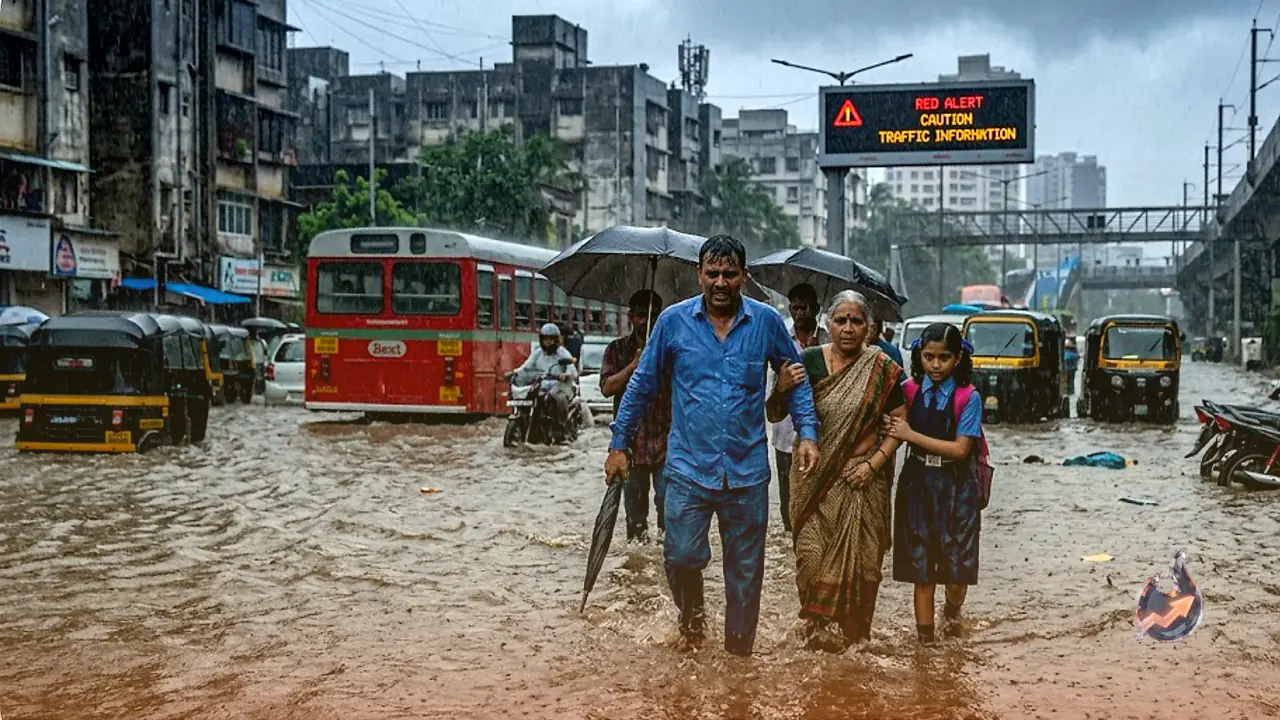

Severe monsoon weather has gripped Maharashtra, leading to widespread disruptions, infrastructure damage, and multiple casualties across the state. Over the past three days, Mumbai has borne the brunt of this torrential downpour, with nine individuals losing their lives in rain-related accidents. The severe weather conditions have crippled daily life, flooded key transportation arteries, and forced local authorities to issue high-priority warnings for several districts. As water levels continue to rise in low-lying areas, residents are facing immense difficulties navigating the waterlogged streets.
The relentless rains in Mumbai have traditionally brought the city to a standstill, but the intensity of this year's monsoon has caused unprecedented difficulties. The nine casualties reported over a brief seventy-two hour period have heightened anxieties among the local populace. Officials have set up emergency helpdesks and deployed rescue teams across vulnerable low-lying spots. The local municipal body has also urged people to stay indoors unless absolutely necessary, as several streets are experiencing severe waterlogging that conceals open manholes and debris, posing a threat to pedestrians and motorists alike.
Severe Rain Alerts and Projections for Mumbai and Surrounding Districts
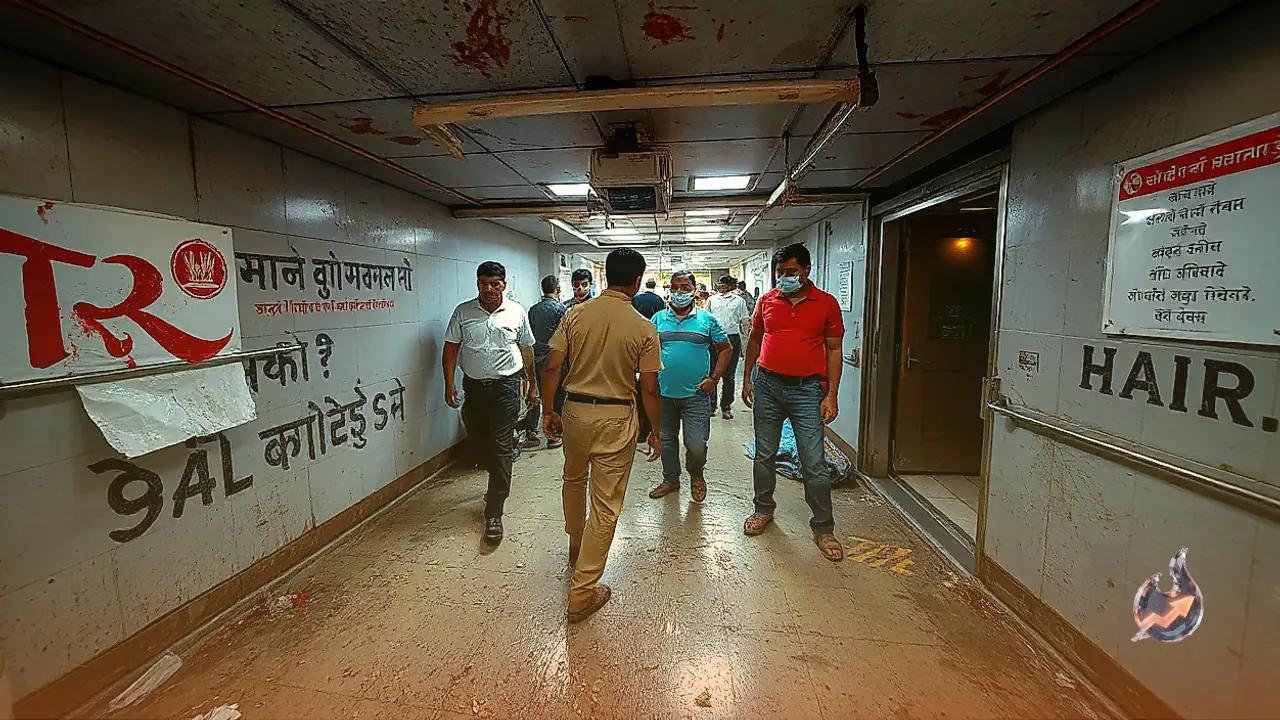
After offering a brief 12-hour respite to the city's residents, the monsoon has intensified once again. The India Meteorological Department has issued an orange alert for Mumbai on Wednesday, indicating that the region is in for another round of extreme weather. Meteorologists predict that the city will experience heavy downpours exceeding 125 mm between 10:00 AM and 9:00 PM. Just an hour of continuous rainfall was enough to completely submerge the crucial Andheri Subway, rendering it entirely impassable for vehicular traffic. The local administration had to shut down the subway to prevent any unfortunate incidents, highlighting how rapidly the city's infrastructure becomes overwhelmed during heavy spells.
The meteorological department's orange alert serves as a warning for moderate to heavy rainfall, which could easily transition into extremely heavy spells. With the forecast predicting more than 125 mm of precipitation over an eleven-hour window, the drainage systems of Mumbai are being put to an ultimate test. When the Andheri Subway was submerged within sixty minutes of rain, it exposed the ongoing challenges faced by urban planners in managing storm-water runoff. Traffic police had to swiftly divert vehicles to alternative arterial roads, causing massive gridlocks that stretched for kilometers across the western suburbs.
The crisis is not limited to Mumbai alone. Neighboring Palghar district reported three fatalities within a single 24-hour window due to the hazardous weather. Meanwhile, Nashik remains on high alert with a forecast predicting potential cloudbursts. Other key regions in Maharashtra, including Pune, Satara, and Solapur, are also under heavy rain alerts, with local administrations advising citizens to exercise extreme caution and avoid unnecessary travel.
Tree Collapse Incident in Andheri Sparks Administrative Debate
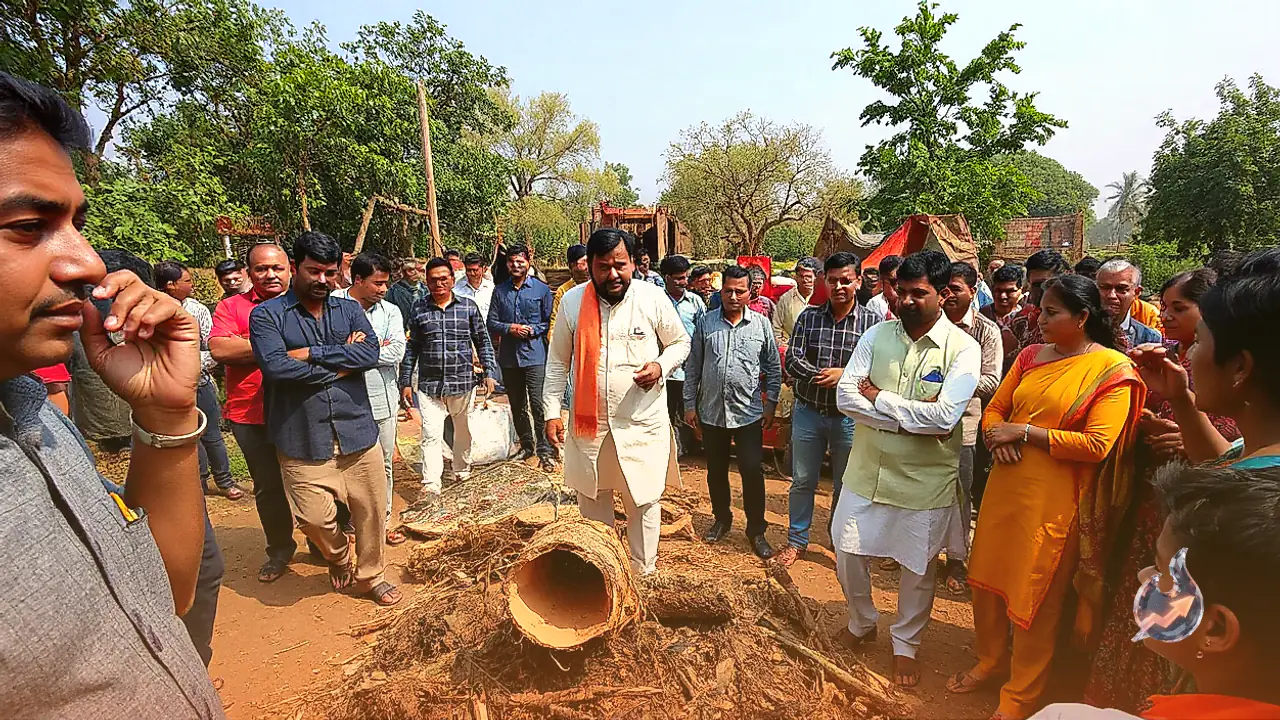
Amid the relentless rain, safety hazards have increased, as demonstrated by a tree collapse in Mumbai's Andheri area. A large tree fell near the Andheri Subway, severely injuring a man named Adesh Gaonkar. He was rushed to a nearby medical facility in a police van that was stationed in the vicinity. Following the incident, officials from the Brihanmumbai Municipal Corporation, commonly known as BMC, visited the site to assess the situation.
In addition to the subways, the city's green cover has also proven to be a hazard during high-velocity winds. The incident involving Adesh Gaonkar highlights the structural vulnerability of older trees in water-saturated soil. When the tree collapsed near the busy Andheri Subway, it could have resulted in a larger tragedy had the nearby police officers not reacted immediately. The swift action of placing the injured victim into the police van and navigating through waterlogged roads to reach the hospital was crucial in saving his life.
However, the incident has triggered a bureaucratic debate. An officer from the BMC's Garden Department stated that the tree was located on a private property. The officer explained that the municipal body had already issued a formal notice to the property owners regarding the safety hazard, thereby shifting the responsibility of maintenance away from the civic administration. This incident has raised concerns among local residents regarding the monitoring and maintenance of dangerous trees on private lands during the monsoon season.
National Intervention and Infrastructure Disruptions
Recognizing the gravity of the crisis, Union Home Minister Amit Shah reached out to Maharashtra CM Devendra Fadnavis via telephone on Wednesday. During their conversation, Amit Shah assessed the prevailing conditions across the flood-affected state and assured Devendra Fadnavis of full support and resources from the central government to manage the emergency.
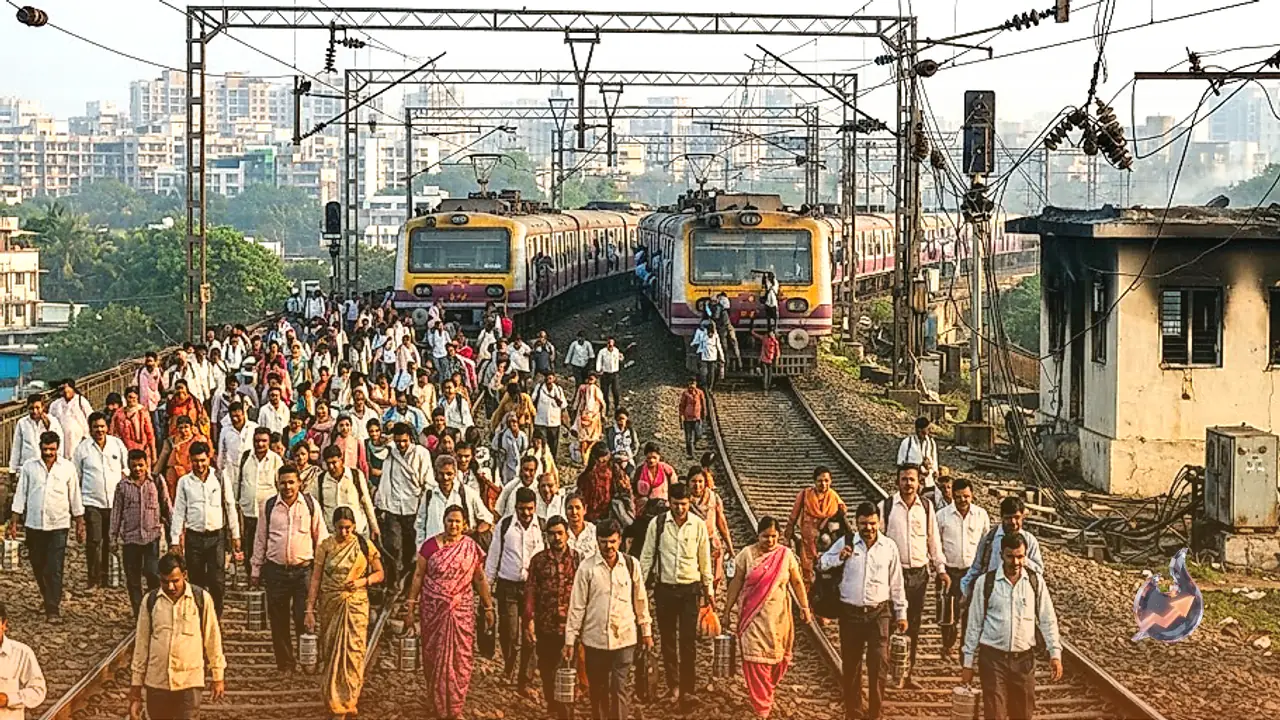
The heavy deluge has severely impacted the state's transport network, which serves as its economic backbone. Local train services in Mumbai, which ferry millions of commuters daily, faced severe delays and disruptions on Wednesday. This left thousands of office-goers stranded or struggling to reach their workplaces.
The disruption extends to long-distance travel as well. Waterlogging in the Vasai-Virar section of Palghar and parts of South Gujarat has halted or delayed several long-distance trains heading toward Gujarat. Furthermore, transportation between the state's two major cities remains compromised. The Mumbai-Pune route has not yet returned to normalcy after a landslide struck the Bhor Ghat section on Monday, proving how vulnerable the region's transport links are to extreme weather events.