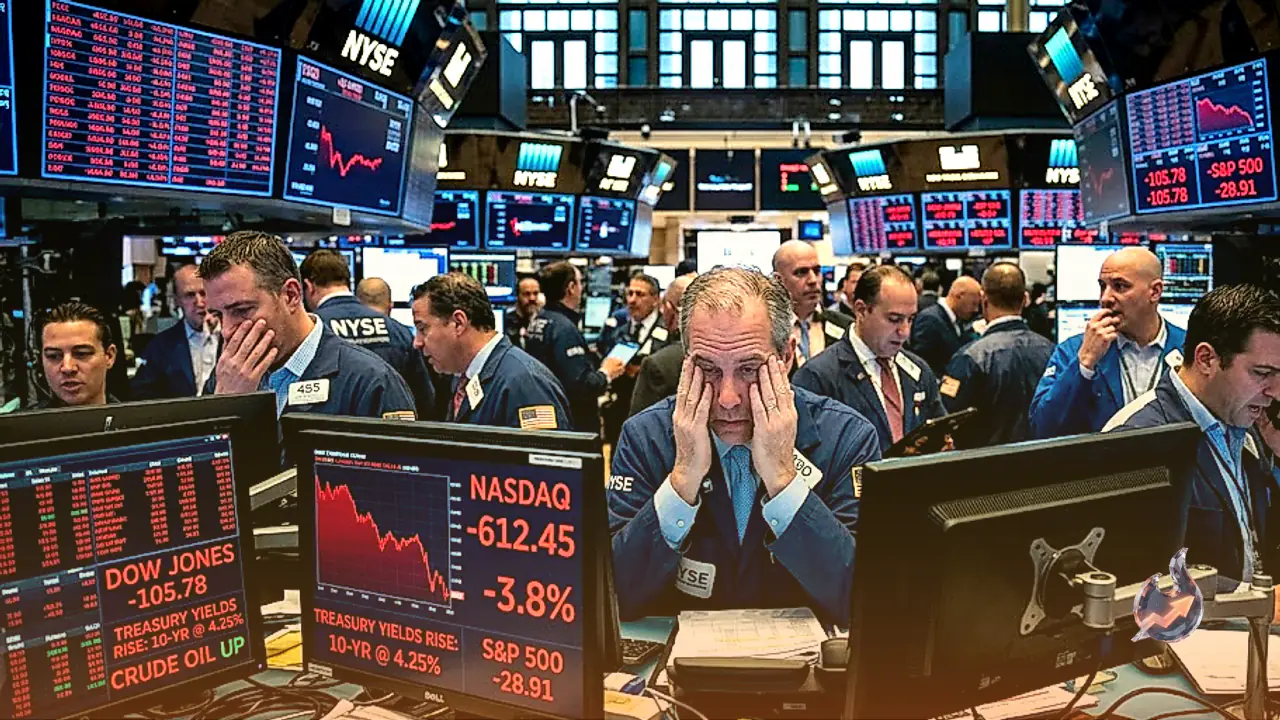

























The global oil market is currently facing significant shifts following recent diplomatic developments. Warren Patterson highlights that oil prices experienced downward pressure after the Memorandum of Understanding between the US and Iran on 17 June. This agreement facilitated a recovery in Persian Gulf oil flows at a pace that far exceeded initial expectations, leading to a noticeable softening in the physical oil market. This return of supply coincided with the ongoing release of oil from strategic reserves, occurring simultaneously with a pace of demand recovery that remains relatively sluggish compared to the supply surge.
Supply Dynamics and Outlook
Earlier projections suggested that the normalization of oil flows from the Persian Gulf would consume a substantial part of the third quarter; however, it is now entirely possible that this process could be completed by the end of July. This remains a highly fluid environment, where developments can change rapidly depending on how recent geopolitical events continue to unfold.
Revised Brent Price Forecasts
The faster-than-anticipated ramp-up in supply has necessitated a revision of ICE Brent forecasts for the remainder of the year. Current expectations point to Brent averaging $80/bbl in 3Q26 and $74/bbl in 4Q26. Looking further ahead, the forecast for the average price of Brent in 2027 is set at $70/bbl.
Risk Scenarios and the $100 Mark
The core assumption underpinning these forecasts is that there will be no further meaningful disruptions to oil shipments passing through the Strait of Hormuz. Given the recent re-escalation of tensions, this may prove to be an overly optimistic view. In reality, the market may trade between the current base case and a more aggressive scenario, where Brent could potentially test the $100/bbl level during the third quarter.
Market Balance Projections
Current balance sheet analysis indicates the market remains in a slight deficit for the third quarter of this year, with a transition to a surplus expected in the fourth quarter. By 2027, the market is likely to see a meaningful surplus. Consequently, there is an expectation that the market may find some stability in the near term, once the backlog of tankers currently stranded in the Persian Gulf is cleared.
Broader Market Impact
The volatility is not confined to the energy sector. Middle Eastern tensions are influencing various asset classes. The GBP/USD pair has pulled away from its three-week high above 1.3430, trading slightly under 1.3400. Similarly, EUR/USD is struggling to maintain momentum, declining toward 1.1400. Gold has managed a rebound to near $4,100, though concerns over global inflation limit its potential. Meanwhile, BTC fluctuates around $63,000 as risk appetite is dampened by geopolitical uncertainty. Furthermore, major central banks, including the Federal Reserve and European Central Bank, appear increasingly cautious about providing forward guidance, adding another layer of complexity for traders.