























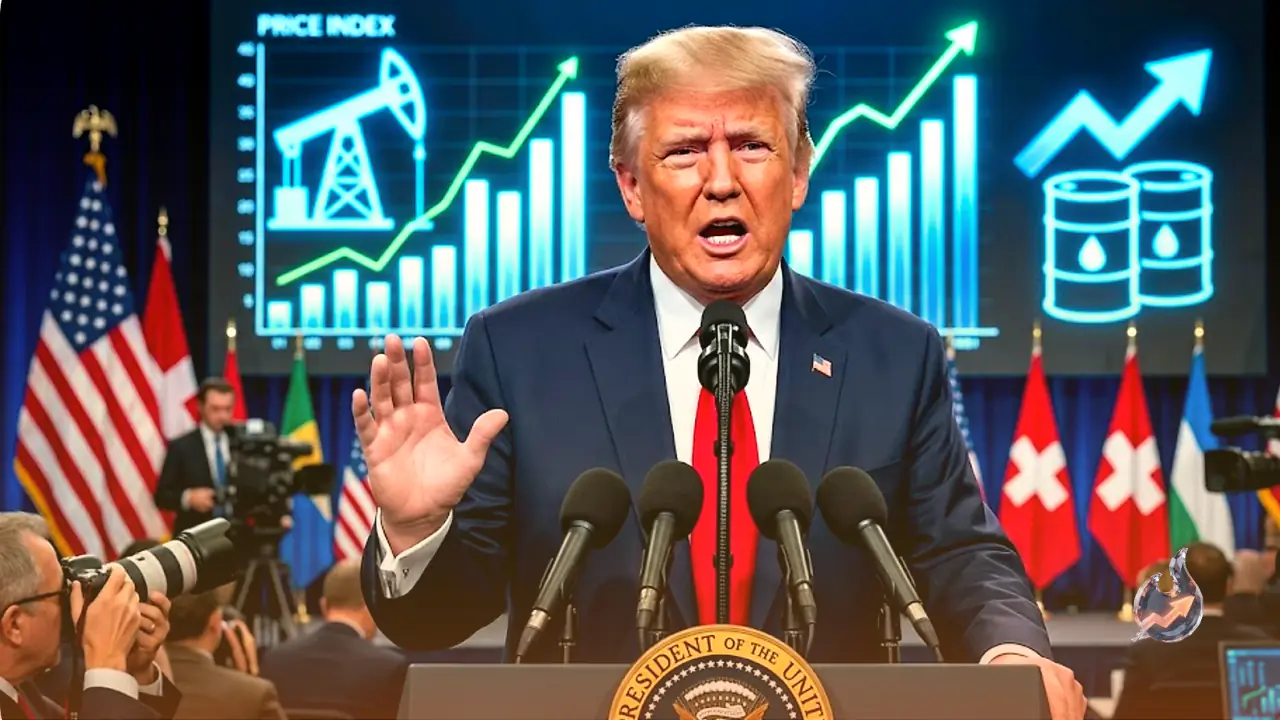

Global energy markets were jolted on Monday after U.S. President Donald Trump issued a pointed warning to Iran, triggering a sharp rally in crude oil prices. Brent crude surged more than 2% to break above $82 per barrel, while U.S. WTI crude also climbed above $78 per barrel. The sudden spike rattled investors and oil-importing nations that had been expecting a more stable energy outlook in the near term.
What Trump's Warning Said
According to reports, Trump delivered a blunt message to Iran, stating that if Hezbollah continued its attacks on Israel or if Iran attempted to block the Strait of Hormuz, the United States would respond with firm action. The statement immediately stoked fears that the ongoing US-Iran peace negotiations could unravel, a development that would directly threaten oil supply flowing through one of the world's most critical maritime chokepoints.
Switzerland Talks Press On but Uncertainty Deepens
Diplomatic negotiations between the United States and Iran are still underway in Switzerland, but the atmosphere has grown tense. Iranian media reported that Tehran briefly walked away from the talks following Trump's threat. However, sources connected to the negotiations said discussions did not actually halt and that both sides addressed several significant issues. The conflicting accounts have only deepened uncertainty among market participants watching the talks closely.
Why the Strait of Hormuz Is the Central Flashpoint
The Strait of Hormuz sits at the heart of this standoff. A substantial share of the world's crude oil travels through this narrow sea passage, making it one of the most strategically important waterways on the planet. Iran has once again claimed that it has shut the strait, yet oil supply has so far remained normal. A genuine blockade of this route would trigger a severe global energy supply crisis and send prices far higher.
Oil Had Been Sliding Before Monday's Jump
In the weeks leading up to this development, crude oil prices had been easing as investors grew optimistic that cooling US-Iran tensions would bring stability to energy markets. That sentiment pushed prices down to around $73 per barrel. Trump's latest statement wiped out those gains in a single session, vaulting Brent crude back above $82 per barrel and forcing a sharp repricing of geopolitical risk across energy markets.
What This Means for India
India relies on imports for the vast majority of its crude oil needs, which means international price increases translate directly into pressure on domestic petrol, diesel, and LPG prices. Higher fuel costs can also ripple through to everyday goods as transportation becomes more expensive. If global oil prices stay elevated for an extended period, inflationary pressure across the Indian economy is likely to intensify further.