























The US Dollar Index is under pressure again, sliding after a cooler than expected June inflation report knocked the wind out of near-term bets that the Federal Reserve will raise interest rates. At the time of writing, the index, which measures the greenback against a basket of six major currencies, is changing hands near 100.92, down roughly 0.38% on the day after dipping to an intraday low of 100.60. The pullback captures a simple market message: if inflation is easing, the Fed has less reason to tighten, and a less hawkish Fed tends to weigh on the dollar.
What the June CPI numbers actually showed
The headline Consumer Price Index fell 0.4% month over month in June, a sharp turnaround after a 0.5% rise in May. On an annual basis, inflation cooled to 3.5% from 4.2%, landing below the 3.8% that forecasters had penciled in. The core reading, which strips out the volatile food and energy categories, was even softer. Core CPI was flat on the month against expectations of a 0.2% increase, while the annual core rate slipped to 2.6% from 2.9%, again undershooting the 2.8% consensus. Taken together, both the headline and core figures came in below forecast, and that combination is exactly what triggered the dollar's slide.
Rate-hike odds collapse
The reaction in rate markets was immediate. According to the CME FedWatch Tool, the probability of a July rate hike tumbled to 12% from 40%, while the odds of a September increase eased to 59% from 74%. In other words, traders quickly repriced how aggressive the Fed is likely to be, leaning toward the view that the tightening cycle now has more room to pause than to push higher.
Oil and the Middle East cap the losses
The dollar's decline has limits, though. Even as the inflation trend cools, upside price risks are far from dead. Escalating tensions in the Middle East are pushing oil prices higher once more, and pricier crude feeds straight back into inflation. That dynamic keeps the door open to further Fed tightening later this year and puts a floor under the greenback, preventing the CPI-driven sell-off from turning into a rout.
Analysts at Brown Brothers Harriman argued the dollar still has more upside ahead. "We see scope for further USD gains in the next couple of months. Sticky US inflation and a resilient labor market will keep Fed pricing hawkish, while US economic outperformance is poised to keep rate differentials supportive of USD," they said. The takeaway is that soft data for a single month does not overturn the bigger picture of a firm US economy and still-elevated inflation.
Warsh keeps the hawkish tone
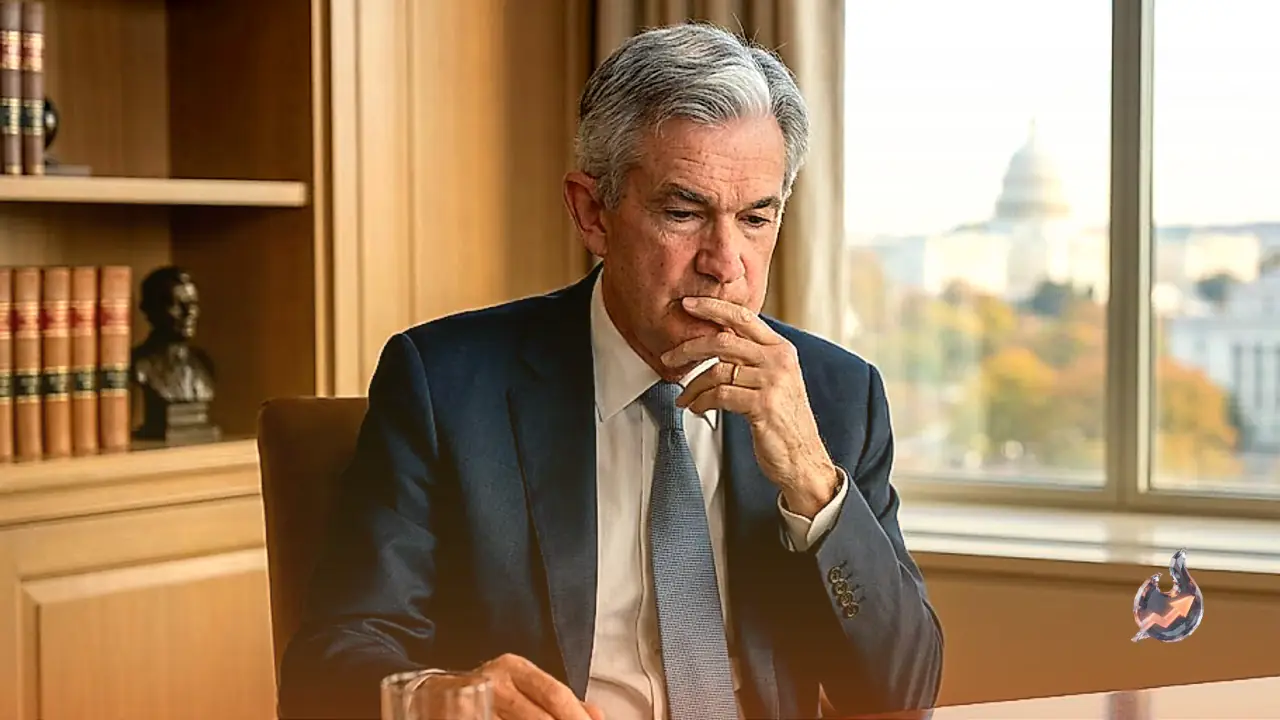
Fed Chair Kevin Warsh reinforced that view. During congressional testimony on Tuesday, he restated the central bank's commitment to returning inflation to its 2% target, warning there is "no tolerance for persistently elevated inflation." He acknowledged the encouraging data without leaning on it. "The June CPI was positive relative to expectations," Warsh said. "I'm not cherry-picking. There is still plenty of work to do." Testifying on the Semiannual Monetary Policy Report before the US House Financial Services Committee, he again stressed price stability and the 2% inflation goal, signaling the Fed is not ready to declare victory.
How the major currencies moved
Against that backdrop the dollar was strongest versus the Japanese Yen, but it lost ground elsewhere. The British Pound climbed on Tuesday, trimming earlier losses to return to the 1.3375 area as it tries to retest resistance at the key 200-day Simple Moving Average. That widely watched level sits a few pips below 1.3400 and has capped the Pound's recovery over the past two weeks. The EUR/USD pair, meanwhile, gave back part of its earlier gain and drifted toward the 1.1440 zone. The euro's firm move higher came on the back of the marked sell-off in the dollar, which intensified once the June inflation figures disappointed and investors digested Warsh's testimony.
Gold and crypto react
The softer dollar rippled across other assets. Gold reversed its recent weakness and reclaimed ground beyond the key $4,000 per troy ounce mark on Tuesday, with the recovery gathering pace toward the $4,100 region following the greenback's decline and Warsh's comments. In crypto, Bitcoin hovered around $62,500 in largely sideways trade. Major altcoins were steady too, with Ethereum and Ripple holding above their crucial support levels at $1,700 and $1.05 respectively, a sign of ongoing consolidation across the digital-asset space.
A month of whipsawing rate bets
The bigger story is how violently expectations have swung. Markets opened July treating a December hike as the base case, then spent five trading sessions unlearning and relearning that view. A weak 57K payrolls print drained the tightening bets out of the curve, only for a re-shut Strait of Hormuz to push them back in. The minutes from the June FOMC meeting, released Wednesday, landed in the middle of that round-trip, describing a world that had effectively already stopped existing by the time traders read them.
Where the index sits on the charts
Live market data rounds out the picture. The US Dollar Index is trading near 100.98, down about 0.30% from a previous close of 101.28, and remains within a 52-week range of 95.55 to 101.80. Momentum is mixed: the 14-day RSI sits at a neutral 56, while the MACD at 0.35 has slipped below its signal line at 0.43, a mildly bearish crossover. The longer-term trend is still up, with the price above its EMA20 (100.82), EMA50 (100.13) and EMA200 (99.09), and a golden cross in place. Bollinger Bands span 99.84 to 102.03, keeping price inside the range, while an ADX of 32 confirms a trending market. For traders, near-term support sits around the 100.62 and 100.25 levels, with resistance at 101.33 and 101.68 and the pivot at 100.97; the daily ATR of 0.47 offers a rough stop-loss buffer.