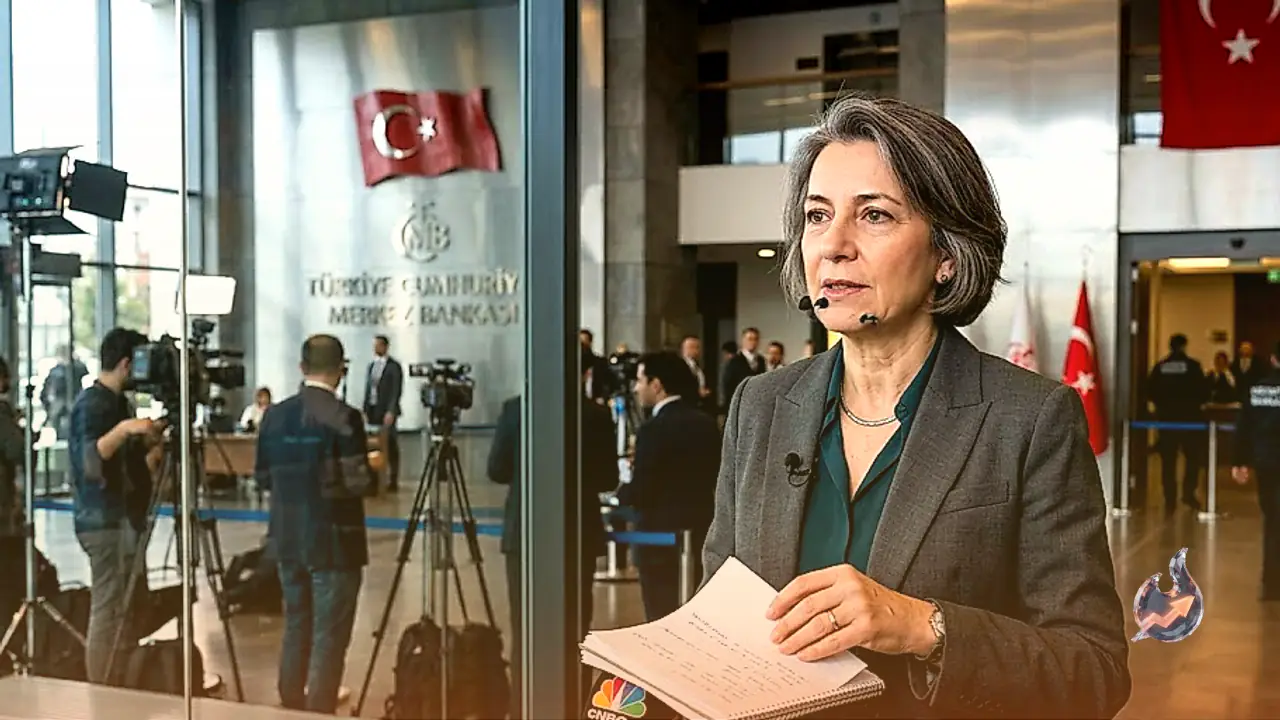




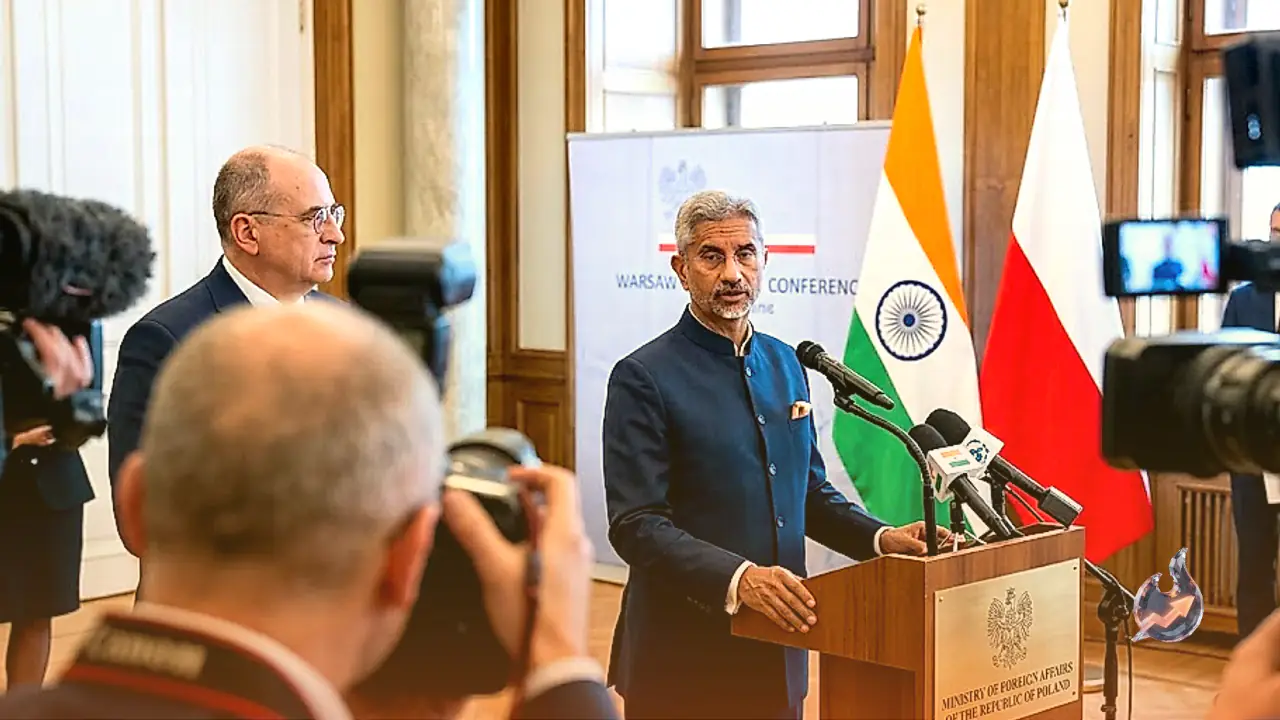

















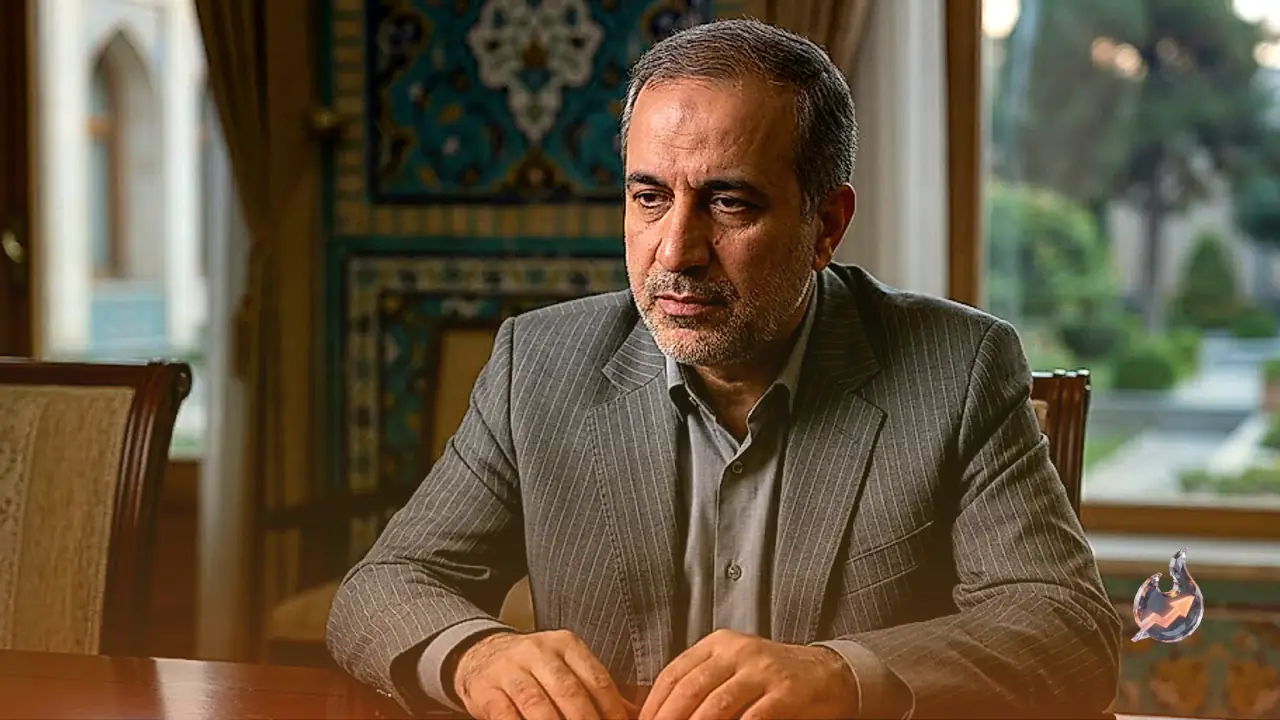

Iran has made clear that it is not slamming the door on talks with Washington, even as tensions keep simmering. During Monday's European trading hours, Esmaeil Baghaei Hamaneh, a spokesman for Iran's foreign ministry, said his country treats both diplomacy and war as instruments serving a single goal, its national interest. He also disclosed that go-betweens have quietly carried messages to Tehran over recent days, all aimed at cooling the confrontation. The moment those remarks landed, crude oil prices slipped further.
Tehran keeps the diplomatic door open
Asked whether the possibility of negotiations with the United States had now been shut for good, Baghaei rejected the very idea that Iran faces only two choices, to fight or to talk. He cast both as tools. In his words, "Diplomacy is a tool through which we pursue our national interests, just like war." The takeaway is fairly direct: Tehran wants to preserve room for negotiation without giving up its military option. In other words, it is choosing to run both pressure and dialogue on parallel tracks rather than picking one over the other.
Back-channel messages aim to cool tensions
Baghaei said that over the past several days intermediaries have relayed messages to Tehran, every one of them meant to de-escalate the ongoing conflict with Iran. It is hardly unusual in diplomacy for a third party to shuttle messages between adversaries so that a direct clash can be avoided. With the situation still tense in the wake of weekend hostilities, this kind of behind-the-scenes contact emerged as a sign of relief for jittery markets.
Why crude prices eased
Following Baghaei's comments, oil extended its decline. At the time he spoke, WTI crude was trading about 0.8% lower, near $81.00. Turning to the latest live figures, in the close-bell session on 21 July 2026 WTI crude (CL=F) changed hands around $82.30, down roughly 1.12% from the prior close of $83.23, and sitting within a 52-week band that runs from $54.98 to $119.48. Among the live technical readings, the RSI(14) sat at 57, a neither-hot-nor-cold zone. The logic behind the drop is straightforward: when signs of de-escalation appear, markets begin stripping out the extra supply-disruption premium they had baked into the price, and crude drifts lower as a result.
What WTI crude actually is
WTI stands for West Texas Intermediate, a particular grade of crude oil traded on international markets. It is one of three major benchmark grades, the other two being Brent and Dubai Crude. Traders describe it as "light" and "sweet", a nod to its relatively low density and the small amount of sulfur it carries. That combination is why it is regarded as a high-quality oil that refines with ease. It is pumped in the United States and moved through the Cushing hub, a facility often called "The Pipeline Crossroads of the World". WTI serves as a yardstick for the wider oil market, and it is its price that the media most often quotes.
The forces that move WTI prices
Like every other asset, oil is priced chiefly by the tug of war between supply and demand. When the global economy is expanding briskly, demand for oil climbs and prices rise, whereas sluggish growth weakens demand and drags prices down. Political instability, wars and sanctions can all choke off supply and leave a mark on the price. On top of that, the decisions taken by OPEC, the club of major oil-producing nations, are another powerful lever on prices. There is also the role of the US Dollar to consider, since oil is overwhelmingly traded in dollars. A softer dollar makes crude cheaper for buyers holding other currencies, which supports demand, and the reverse holds just as firmly.
How inventory reports sway the market
The weekly oil-stock reports carry real weight for WTI as well. One is issued by the American Petroleum Institute (API) and the other by the Energy Information Agency (EIA). Swings in inventories are essentially a snapshot of shifting supply and demand. If the numbers show stockpiles shrinking, that hints at stronger demand and tends to push the price up. Fatter inventories, on the other hand, point to rising supply and drag the price down. API publishes its report every Tuesday, with EIA following the very next day. Their figures usually track each other closely, landing within one percent of one another about three times out of four. Even so, the EIA data is treated as the more dependable of the two, since it comes from a government agency.
OPEC and OPEC+ steer the supply picture
OPEC, the Organization of the Petroleum Exporting Countries, is a group of 12 oil-producing nations that jointly set production quotas for its members at meetings held twice a year. Those decisions frequently ripple straight into WTI prices. When OPEC opts to trim quotas, supply tightens and oil prices head higher. When it lets production run higher, the effect flips and prices tend to soften. A wider alliance known as OPEC+ folds in ten additional producers from outside the group, and the most prominent name among them is Russia.