



















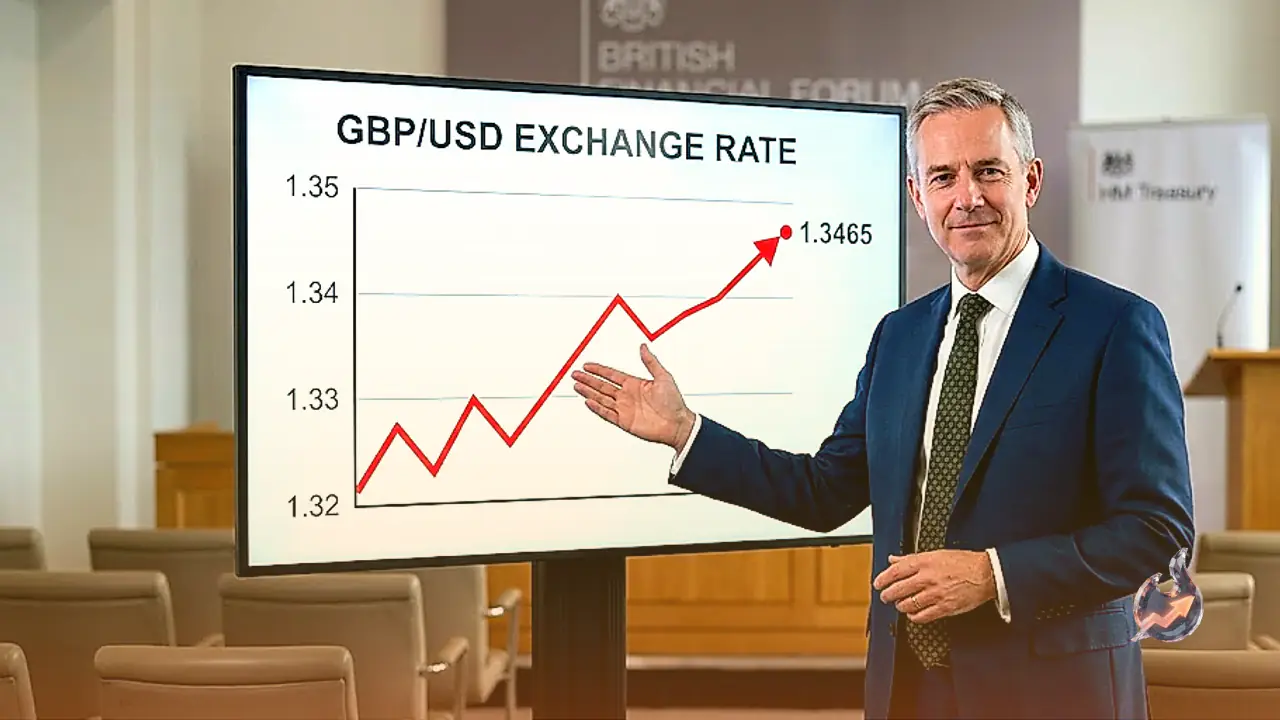

The British pound moved higher against the US dollar on Monday, with GBP/USD firming toward the 1.3465 region. The advance rested on two forces pulling in the same direction, a mildly softer greenback and a more upbeat mood around the state of Britain's public finances. Buyers stepped in at lower levels during the Asian session, treating the dip as an opportunity and lending the pair a steady lift.
The picture, however, is far from one-sided. Escalating tensions between the United States and Iran, lingering inflation fears, and bets on further rate hikes from the Fed all worked to stop the dollar from falling further. That is why sterling's gains, while real, have stayed measured rather than runaway.
Fiscal optimism and a change at the top
The biggest tailwind for the pound is the growing confidence in Britain's fiscal path. On Monday, Andy Burnham is set to become the country's seventh Prime Minister in a decade. Markets expect him to appoint a fiscally conservative finance minister, with a figure such as Shabana Mahmood seen as a likely choice. The prospect of a disciplined approach to spending and the deficit reassures investors, and that reassurance is feeding straight into demand for the currency.
Even after so many changes of leadership in such a short span, the market's focus is squarely on the direction the incoming government sets for public finances. For now, the mere signal of restraint is enough to keep sterling supported.
Safe-haven demand shields the dollar
On the other side of the trade, geopolitics is working in the dollar's favour. On Sunday, the US completed a ninth straight night of strikes against Iran. The stated aim was to degrade the Iranian military capabilities used to attack commercial vessels and civilian mariners passing through the Strait of Hormuz, one of the world's most sensitive shipping routes.
Iran responded by firing ballistic missiles and one-way attack drones at US allies across the region, with Bahrain, Jordan, Kuwait, and Iraq all reporting a fresh wave of attacks. With tensions running this hot, traders keep pricing in a geopolitical risk premium, and that benefits the safe-haven greenback. It is a large part of why the dollar has not weakened much despite the pound's rise. During the session, the dollar was actually strongest against the Swiss Franc, a sign of just how much the flight to safety is shaping currency moves.
A busy data calendar ahead
Over the coming days, sterling's path will lean heavily on incoming UK data. Tuesday brings the country's monthly employment figures, followed by UK inflation, or CPI, on Wednesday. Both releases are viewed as crucial because they could shape the pound's direction. Combined with the geopolitical developments, they are likely to inject fresh volatility into the GBP/USD pair.
Where the charts stand
According to live market data, the pair is currently changing hands around 1.34, down a modest 0.12% from its previous close. Over the past 52 weeks it has ranged between 1.30 and 1.38. Its RSI(14) sits near 55, pointing to balanced conditions that are neither overbought nor oversold.
The longer-term trend still leans higher, though shorter-term averages have slipped below their longer-term counterparts, a softer technical cue. Bollinger Bands place the price within a 1.31 to 1.35 band, while an ADX near 18 suggests a weak, range-bound trend for now. Nearby support is seen around 1.31 and resistance around 1.35. On balance, the pound is stepping forward carefully as it waits on the new government's policies and this week's key numbers.