























The Strait of Hormuz, the world's busiest and most fragile maritime oil corridor, is on edge once again. Amid sharpened military and diplomatic tension between the United States and Iran, a third commercial tanker has been targeted along this waterway in the span of just 24 hours. The rapid succession of strikes has thrown a serious question mark over global energy supplies and the safety of international shipping, since much of the world depends on this narrow passage for its fuel.
No casualties in the latest strike
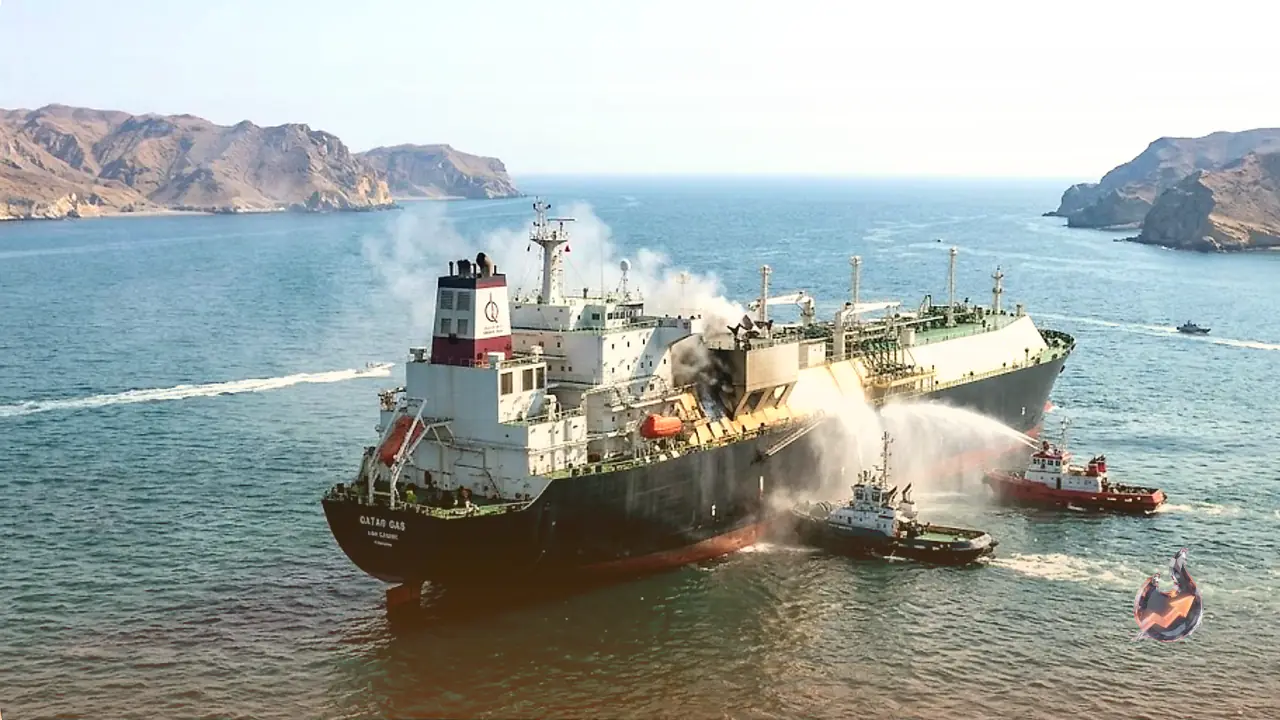
In the newest incident, a tanker was targeted by an unidentified projectile fired through the air. According to UKMTO, the British navy agency that monitors shipping movements in the region, the vessel suffered structural damage after the impact. The relief was that no injuries or major losses were reported in this attack. Even so, the incident has deepened fears that cargo ships passing through the narrow channel have once again become targets for attackers.
Qatar's gas carrier among those hit
This strike is part of a chain that includes two separate attacks on Tuesday. One of those hit a vessel carrying Qatar's liquefied natural gas, or LNG, while the other damaged a Saudi-flagged crude oil tanker. In a post shared on the social media platform X, UKMTO said the latest ship sustained structural damage after being struck by an unknown projectile. In the agency's words, the tanker was targeted by an unknown projectile and is believed to have suffered structural damage. Officials clarified that there were no reports of anyone being hurt, and there were no immediate signs of pollution or an oil spill.
A warning for ships in transit
UKMTO said the matter is still under investigation and urged all vessels passing through Hormuz to stay fully alert. The agency advised ships to transit with caution and to immediately report any suspicious activity. So far no group has claimed responsibility for the latest attack. Notably, the incident came just hours after Qatar accused Iran of striking its LNG carrier Al Rekayyat as it moved through the Strait of Hormuz under the cover of night.
Qatar places Iran in the dock
Majed Al Ansari, spokesman for Qatar's foreign ministry, condemned the attack in sharp terms. He described it as an open violation of international law and a direct assault on the global energy supply. Qatar has held Tehran directly and legally responsible for the entire sequence of events. It is worth noting that these attacks come at a delicate moment. Only last month, Washington and Tehran had reached a 60-day interim ceasefire agreement meant to clear a path for talks toward lasting peace. The situation appeared to worsen when indirect talks held in Qatar last week ended without any outcome. These fresh strikes have now made that shaky peace effort even more precarious.