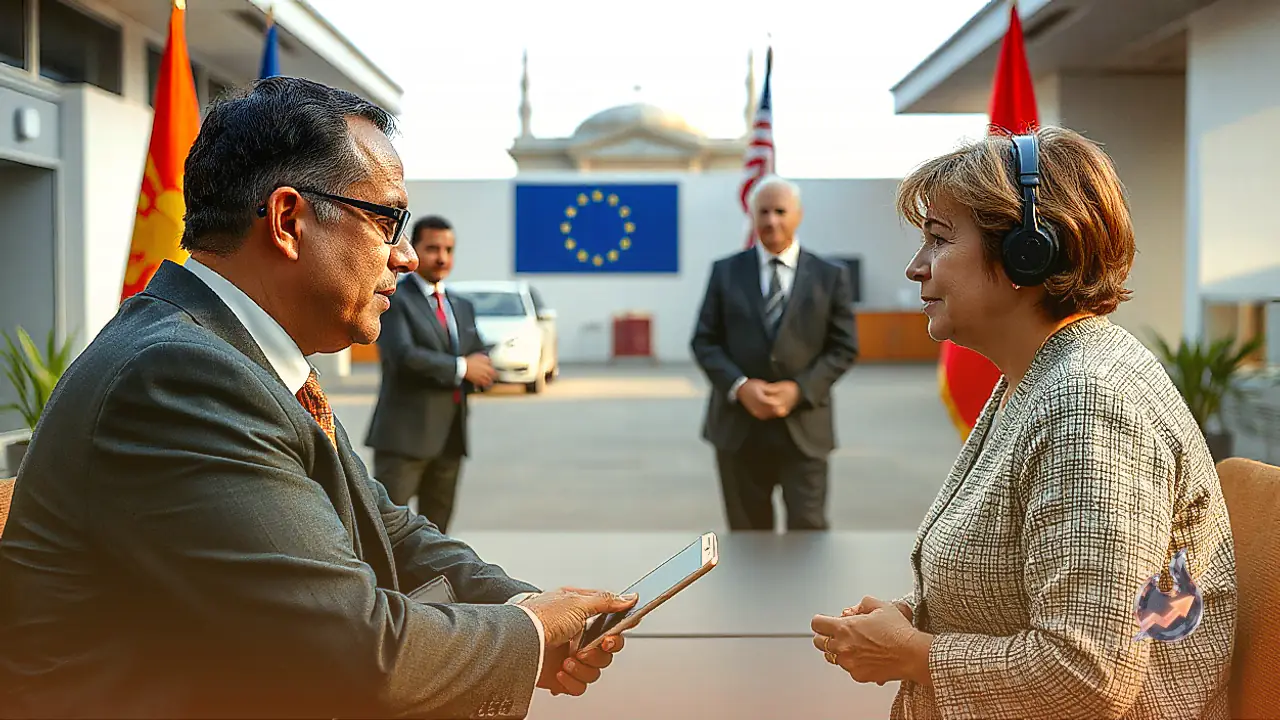

In a significant diplomatic push to deepen bilateral ties, Prime Minister Narendra Modi held a comprehensive telephonic conversation with German Chancellor Friedrich Merz on Tuesday. During the call, both leaders evaluated the ongoing momentum in the India-Germany strategic partnership and outlined new pathways for expanding collaboration across trade, investment, defense manufacturing, and advanced technologies. The dialogue carries immense diplomatic weight as both nations celebrate the 75th anniversary of the establishment of their diplomatic relations this year.
Focus on Defense, Advanced Technology, and Economic Ties
Following the telephonic engagement, Prime Minister Narendra Modi shared details of the discussion through a social media post, terming the interaction with Chancellor Friedrich Merz as highly productive. The two leaders reviewed the steady acceleration of bilateral strategic engagements and agreed to explore fresh opportunities in critical sectors including commercial trade, cross-border investments, defense partnership, and high-tech innovation.
An official statement released by the Prime Minister's Office (PMO) highlighted that both leaders expressed deep satisfaction over the continuous progress made in bilateral relations. They reaffirmed their firm commitment to further bolster joint efforts in high-technology domains and defense collaboration.
Strategic Push for the India-EU Free Trade Agreement
The proposed Free Trade Agreement (FTA) between India and the European Union (EU) formed a central component of the discussion. Both Prime Minister Modi and Chancellor Merz agreed that the swift execution of this trade pact would open new avenues for commercial growth and investment between India and Germany.
As Europe's largest economy, Germany serves as a crucial economic partner for India within the European market. A finalized India-EU trade agreement is expected to assist enterprises in both nations to expand their operations while building resilient global supply chains.
This diplomatic consensus aligns with statements made on November 4 by German Ambassador to India Jasper Wieck regarding bilateral economic prospects. Ambassador Wieck noted that relations between the two nations are entering a new phase of deeper engagement, with cooperation expanding across trade, energy, investment, and strategic affairs.
Ambassador Wieck emphasized that the India-EU FTA would act as a major catalyst for bilateral commerce and investment. The pact is anticipated to lower tariffs on several industrial goods and specific agricultural items. He further pointed out that both economies possess substantial capacity to integrate their manufacturing supply chains effectively.
Addressing Global Challenges and Multilateral Cooperation
The conversation between Prime Minister Modi and Chancellor Merz extended beyond commercial and technological aspects to address broader regional and global developments. Both leaders exchanged views on navigating modern geopolitical challenges and stressed the importance of continued collaboration at multilateral forums.
Prime Minister Modi underscored that India and Germany remain committed to working together to promote peace, stability, and a rules-based international order. Strengthening defense and technology ties forms a core pillar of this broader global objective.
75 Years of Diplomatic Ties and Shared Vision
India and Germany are marking 75 years of formal diplomatic relations this year. Celebrating this milestone, Prime Minister Modi previously described Germany as an essential pillar of India's overall engagement with Europe, identifying the nation as a key partner in driving global peace, stability, and economic growth.
This telephonic exchange follows a prior phone conversation between Prime Minister Modi and Chancellor Merz in September, during which both leaders had agreed to deepen their strategic partnership across multiple sectors.