







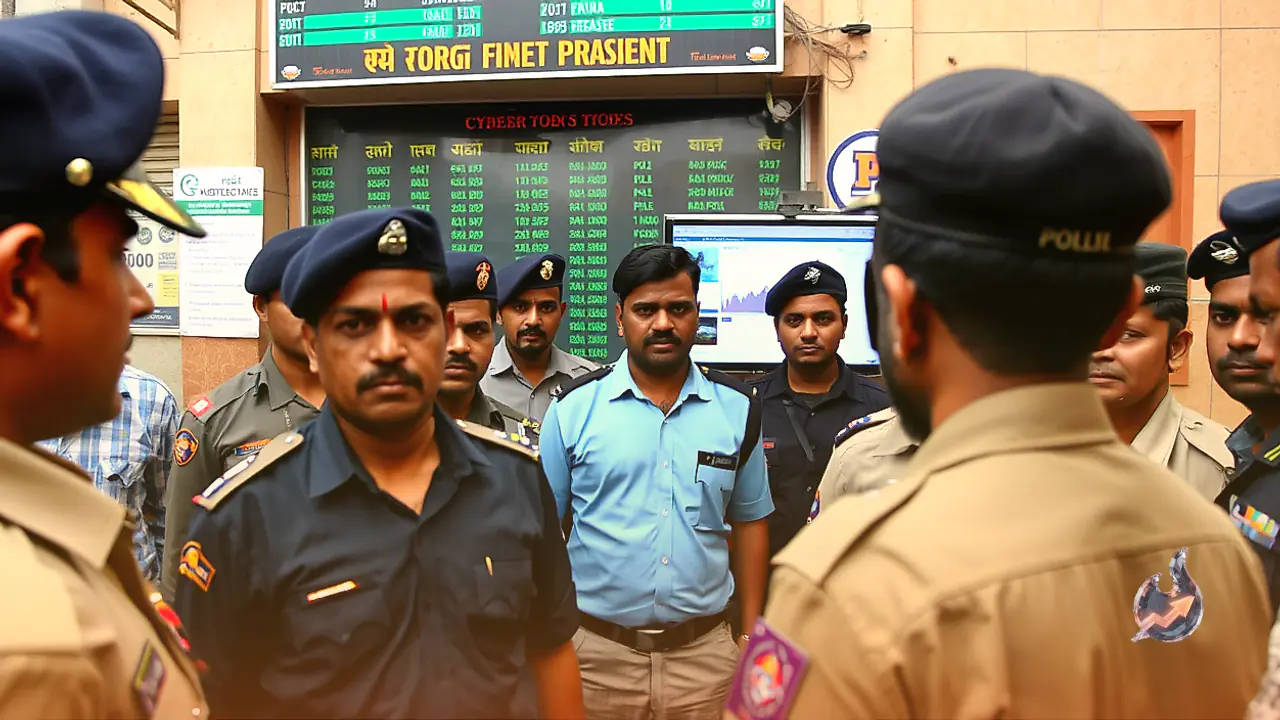

















A comprehensive regulatory framework has been initiated to clamp down on the illicit trafficking, illegal diversion, and unauthorized use of spurious and habit-forming pharmaceuticals across the country. The government's apex drug advisory body has recommended sweeping measures to tighten supervision over medicines containing narcotic and psychotropic substances. This initiative forms an integral component of the Vision Document on Drug Control spanning 2026 to 2029, with the central authorities formally seeking active cooperation from state administrations to implement the safeguards.
Roadmap Unveiled at Narco Coordination Center Meeting
The vision document serves as a strategic medium-term roadmap designed to overhaul pharmaceutical enforcement and control mechanisms in the coming years. It was formally unveiled during the 10th apex-level meeting of the Narco Coordination Center, an administrative mechanism operating under the Ministry of Home Affairs tasked with coordinating inter-agency enforcement measures against narcotics. The broader mandate focuses on eliminating loopholes that allow medicinal formulations to be diverted into illicit consumption channels.
CDSCO Assigned Regulatory Deadline for March 2027
India's central drug authority, the Central Drugs Standard Control Organisation, has been assigned a definitive institutional milestone under this initiative. By March 2027, the regulator is required to eliminate existing regulatory gaps and enforcement vulnerabilities associated with the unlawful diversion of pharmaceutical preparations containing narcotic drugs and psychotropic compounds. To fulfill this objective, the expert committee emphasized the necessity of constructing an authenticated national database. This centralized repository will systematically record the manufacture, commercial distribution, inventory stocking, site inspections, and punitive enforcement actions concerning such controlled formulations. The advisory panel instructed the central regulator to assemble all existing statutory directions, state-level regulatory measures, and standard operating procedures to formulate a cohesive operational strategy.
Monthly State Audits and Integrated Digital Tracking
Under the proposed oversight structure, states and union territories will be mandated to furnish regular monthly dossiers to the central regulator. These submissions will require detailed disclosures regarding the exact number of licenses granted, the aggregate volume of controlled substances handled, the volume of regulatory site inspections conducted, and the specific enforcement penalties imposed. The precise compliance format will be established following detailed consultations with regional state regulators.
The committee recommended that this tracking architecture reside on a shared digital platform capable of real-time data aggregation and trend analytics. It further suggested assessing the feasibility of adopting the existing online tracking system established by the Central Bureau of Narcotics. Deploying such digital infrastructure would enable comprehensive track-and-trace capabilities spanning the entire supply chain, starting from pharmaceutical production facilities down to retail chemist counters. These recommendations remain subject to formal ratification, as their implementation is contingent upon approval by the Drug Controller General of India, who heads the central drug regulatory authority.
Action on National Human Rights Commission Recommendations
Parallel enforcement steps are underway concerning substandard and counterfeit medical products. On February 25, the National Human Rights Commission convened an open dialogue to deliberate on curbs against spurious drugs, subsequently transmitting its recommendations to the Drugs Consultative Committee. Upon assessment, the advisory committee observed that while several recommendations were already active, other proposals necessitate substantive state-level inputs and inter-departmental synergy. The official meeting minutes underscored that effective deterrence requires synchronized intervention involving regional drug inspectors, state police personnel, analytical testing laboratories, prosecuting agencies, and forensic institutions.
Consequently, the panel decided to circulate the commission's comprehensive recommendations to all state and union territory governments. These regional administrations will be requested to submit observations, details of preventive measures already implemented within their jurisdictions, and specific inputs on the proposed national mechanism. Following receipt of these inputs, the central regulator will draft a consolidated proposal, while a select working group representing designated states will prepare the formal response and operational roadmap for submission to the rights body.