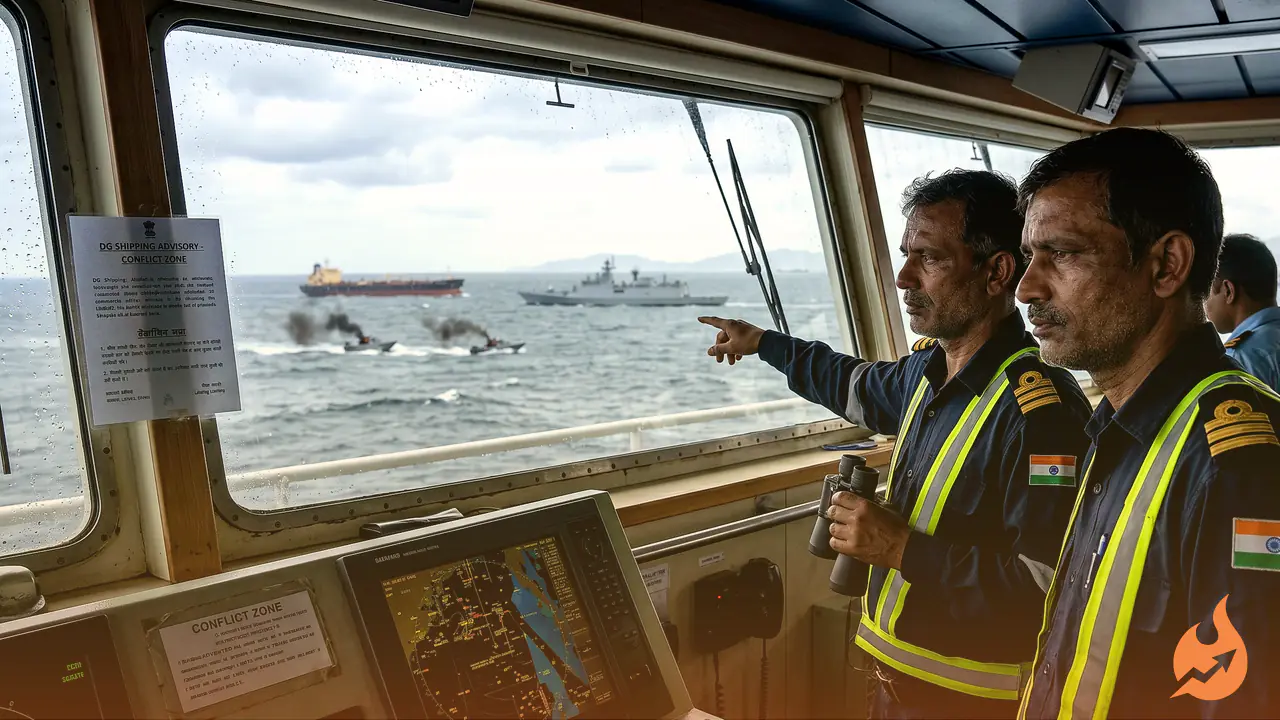

The Gulf's shipping lanes have suddenly become a high-risk zone for Indian sailors. After security conditions sharply worsened around the Strait of Hormuz and the Gulf of Oman, India's Directorate General of Shipping (DG Shipping) has released a new safety advisory aimed squarely at protecting Indian crew working at sea.
The incidents that forced the move
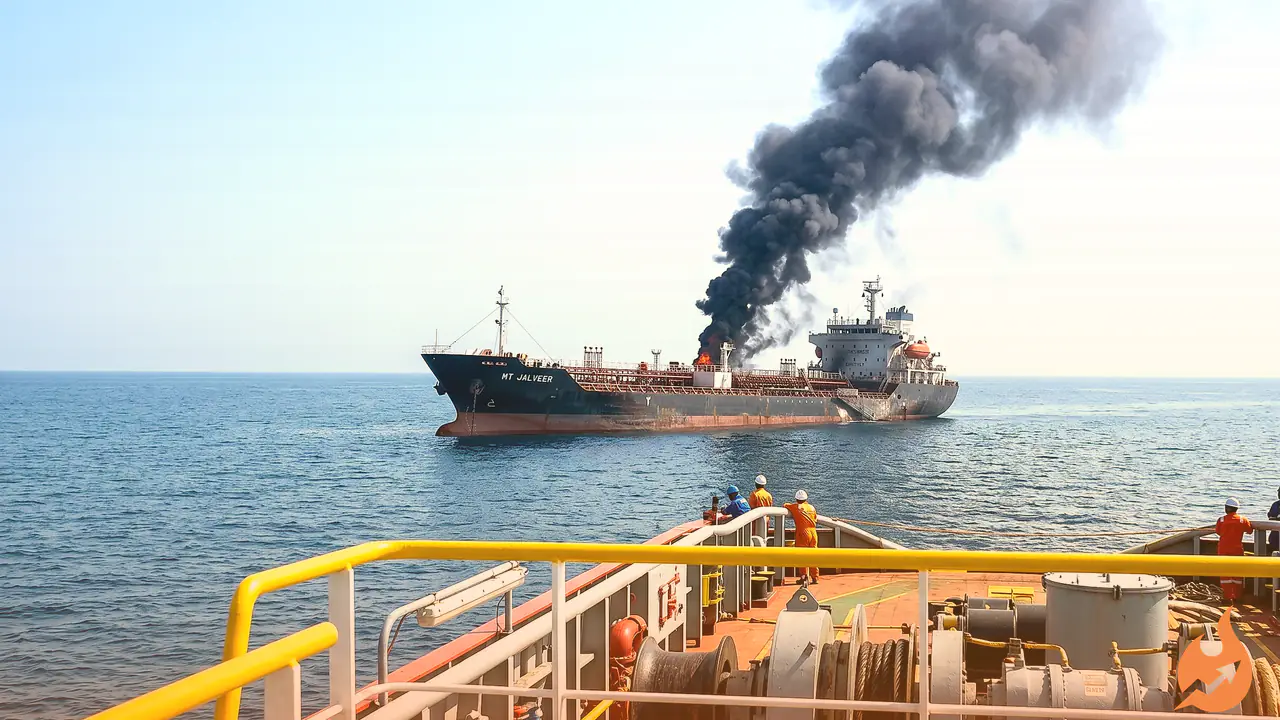
This advisory did not arrive out of nowhere. In recent days, safety incidents linked to vessels such as MT Marivex, MT Setebello and MV Jalveer came to light, pushing the maritime authority to step in with formal instructions. The episodes made it clear that commercial ships passing through the region could now become easy targets.
What the advisory asks of sailors and companies
DG Shipping has directed ship masters, shipping companies and other maritime stakeholders to maintain the highest level of vigilance, keep a constant watch on every warning issued by security agencies, and follow all safety protocols fully.
The most significant instruction concerns deployment. The authority has advised RPSL and shipping companies to avoid sending Indian sailors into conflict-affected areas until further orders. One exception has been built in, however — in emergency situations, a crew change can be carried out with the consent of the sailors concerned.
A crackdown on rumours and misinformation
The advisory also states that any safety incident involving Indian sailors must be reported to the DG Communication Centre without delay. At the same time, sailors and companies have been urged to refrain from spreading unverified news and fake videos, so that panic and false information do not take hold.
Why the current crisis is so grave
The warning comes at a time when three ships carrying Indian crew were attacked off the Oman coast this very week. In one of those attacks, on June 10, three Indian sailors lost their lives — the incident that pushed the entire matter onto the diplomatic stage.
India's diplomatic response
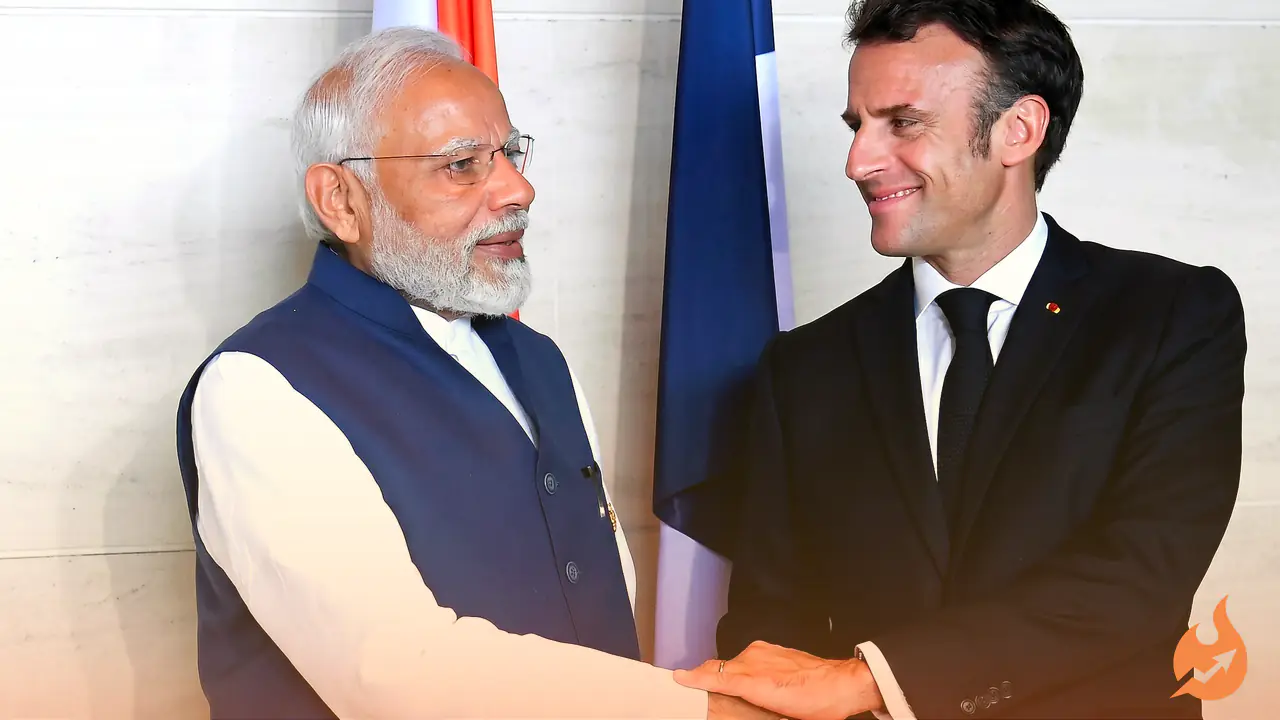
On June 12, India summoned Jason Meeks, the charge d'affaires of the US embassy in New Delhi. He was told in plain terms that the US military's lethal strikes on commercial vessels with Indian crew near the Oman coast are completely unacceptable.
The very next day, on June 13, External Affairs Minister S. Jaishankar directly raised the killing of the three Indian sailors with US Secretary of State Marco Rubio. Washington, for its part, made its position clear, stating that it will not tolerate any violation of its regional naval blockade.