





















At exactly 11:55 pm on the night of 14 July 2013, the telegram bell fell silent in India forever. With that single message, a 163 year old service that had once stitched the entire country together came to a permanent end.
An experiment between Kolkata and Diamond Harbour
The foundation of the telegraph service in India was laid on 5 November 1850 as an experiment. Under this experiment, the first message was sent between Kolkata and Diamond Harbour, two points roughly 30 miles apart. The trial worked perfectly, and that early success laid the groundwork for a modern communication network that would go on to connect the whole country in the years that followed.
The service opens to the public in 1854
In its earliest years, the telegraph was reserved strictly for the government and the military. That changed in 1854, when the service was thrown open to ordinary citizens as well. From then on, any member of the public could use it to send a personal message. Telegraph offices began appearing not just in big cities but in small towns too, and the network kept expanding. Sending and receiving a telegram soon became such a routine part of daily life that people instinctively turned to the telegraph office whenever there was important news to share.
Lord Dalhousie's era and 4,000 miles of telegraph lines
During Lord Dalhousie's tenure, Sir William O'Shaughnessy laid roughly 4,000 miles of telegraph lines. These lines linked major cities such as Calcutta, Mumbai, Madras and Peshawar to one another. News that once took days or even weeks to travel between these places could now arrive within a few hours. That shift had a direct impact on administration, trade and government business, and it transformed the country's entire communication system for good.
Posts and telegraphs merge, then split again in 1985
In 1914, the British government merged the postal department and the telegraph department into a single body called the Indian Posts and Telegraphs Department. The idea was to run the country's entire communication network under one unified system. The two departments worked together for close to 70 years before being separated again in 1985. By that point, the golden age of the telegram had already begun to fade.
The golden years: 45,000 offices, 6 crore telegrams a year
The period from 1985 to 1986 is regarded as the telegram service's finest hour. Around 45,000 telegraph offices were operating across the country at the time, and roughly 6 crore telegrams were sent every single year. Whether it was news of a new job, a wedding invitation, word of a death in the family, or any other urgent matter, people leaned on the telegram for it all. In villages, the moment a postman was spotted cycling in with a telegram, everyone instantly knew that some major news had arrived.
Telephones, mobiles and the internet change everything
The 1990s brought first the telephone, then the mobile phone, and soon after, the internet to India. People suddenly had the ability to talk instantly and send a message within seconds. Email and SMS turned out to be cheap and effortless as well. The telegram's usage started falling sharply as a result. Telegraph offices began shutting down one after another, and the staff who had worked there were transferred to other departments.
A service running at a loss of Rs 100 crore a year
By 2013, the telegram had become a heavy financial burden on the government and on BSNL. Running the service cost around Rs 100 crore every year, while it earned back only about Rs 75 lakh in return. With losses of that scale, keeping the service alive was no longer viable. That is why, on 11 June 2013, BSNL announced that the telegram service in the country would be shut down for good after 14 July 2013.
On the final day, 20,000 telegrams and an emotional farewell
On 14 July 2013, telegraph offices across the country wore a completely different look. People weren't just there to send an urgent message, they had come to make the historic service's last day one to remember. Many sent emotional messages to family members, friends and acquaintances, while others had their final telegrams addressed to politicians and celebrities. Close to 20,000 telegrams were sent across the country that single day, several times the usual daily count.
The last official telegram, sent from Nagpur by Kavita Waghmare
At exactly 11:55 pm on 14 July 2013, India's last official telegram was dispatched from Nagpur. It was sent by a woman named Kavita Waghmare, addressed to her mother. She had written an emotional poem in Marathi, one that described the telegram's farewell as the end of an entire era. That message became a permanent part of history, and a copy of it has been preserved to this day.
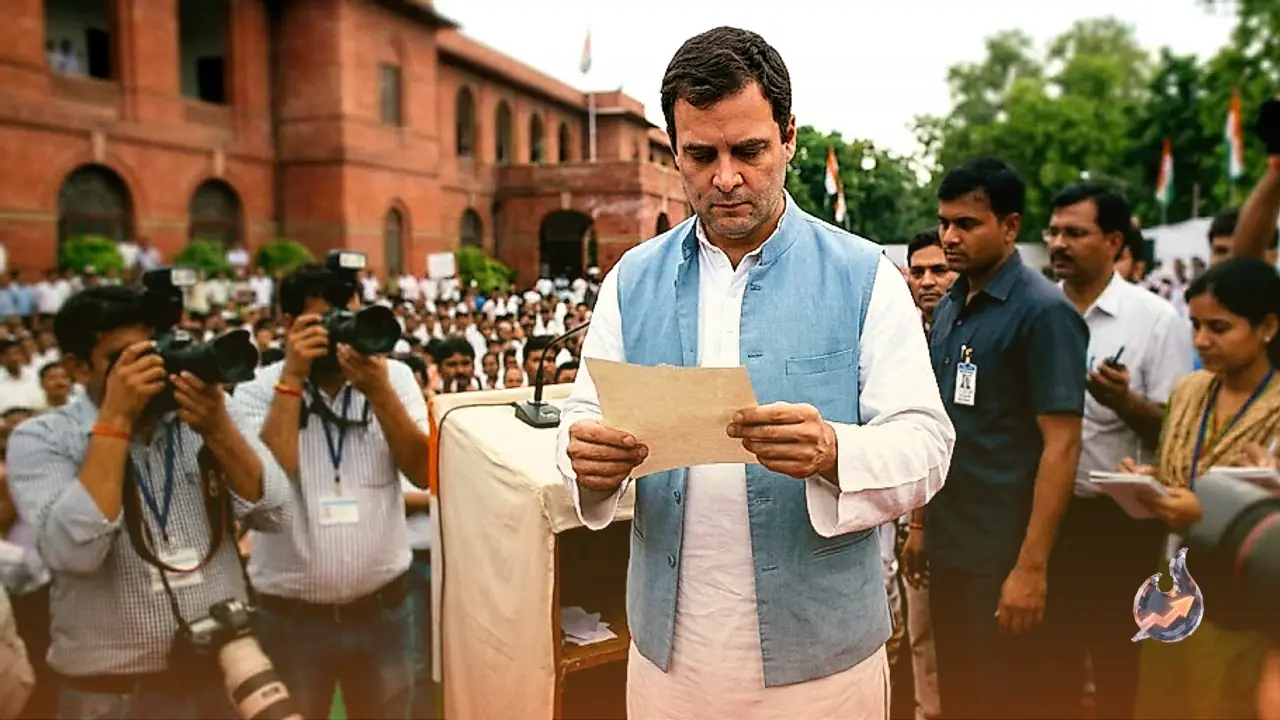
In Delhi, the final telegram went out to Rahul Gandhi
That same night, Delhi's Central Telegraph Office shut its counters for good at 11:45 pm. The last telegram sent from there was addressed to Rahul Gandhi. With that, the telegram service came to a complete end in the capital. A few minutes later, the country's last official message went out from Nagpur, and India's 163 year journey with the telegram stopped forever.
A chapter that shaped India's history, now living only in memory
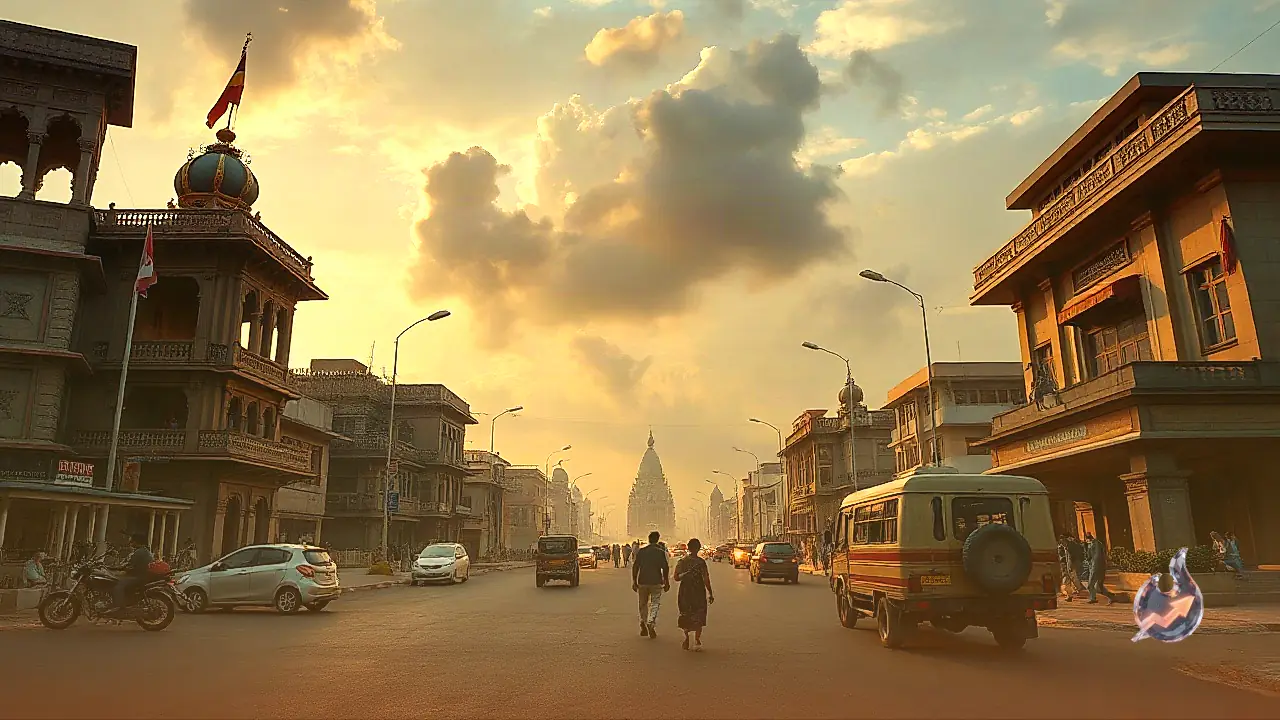
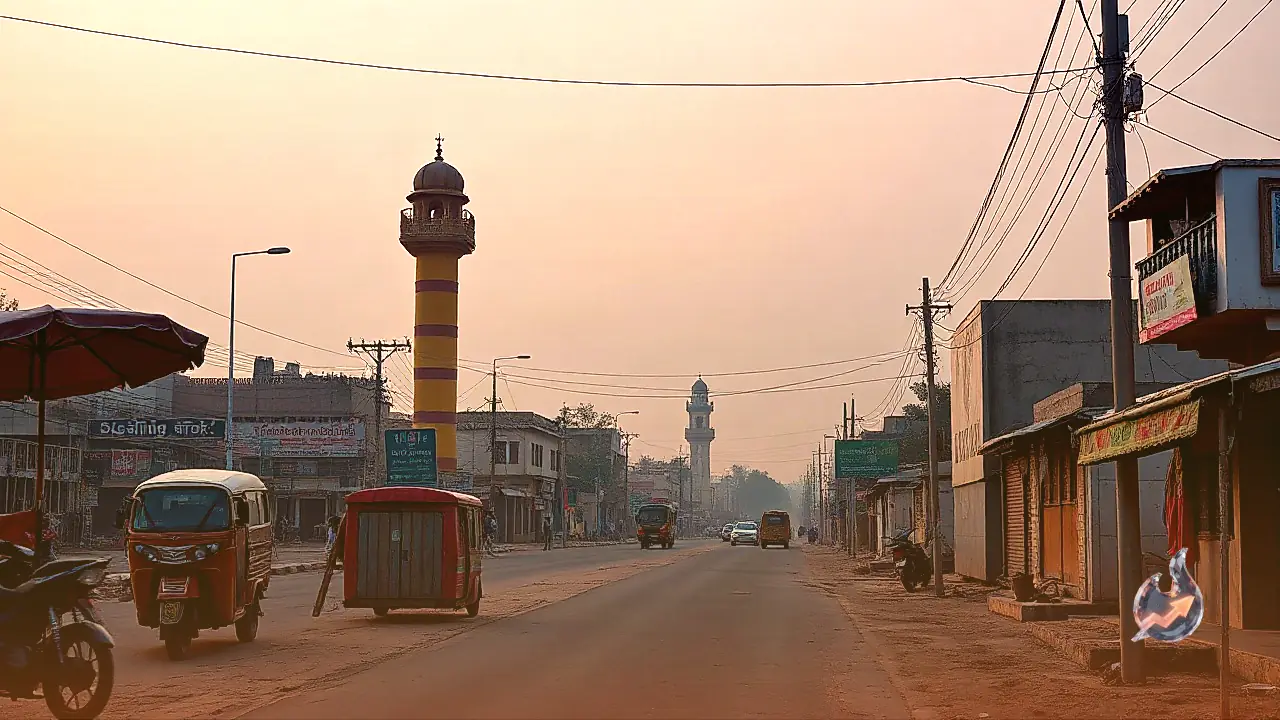
After midnight on 14 July 2013, the telegram in India survived only as history. Today, old telegraph poles, rusted wires and shuttered telegraph offices are the only reminders of that era. The service witnessed enormous change, from British rule all the way through to independent India. Mobile phones and the internet have long since taken its place, but the curiosity and anxiety people once felt on hearing that a telegram had arrived still lives on in memory.